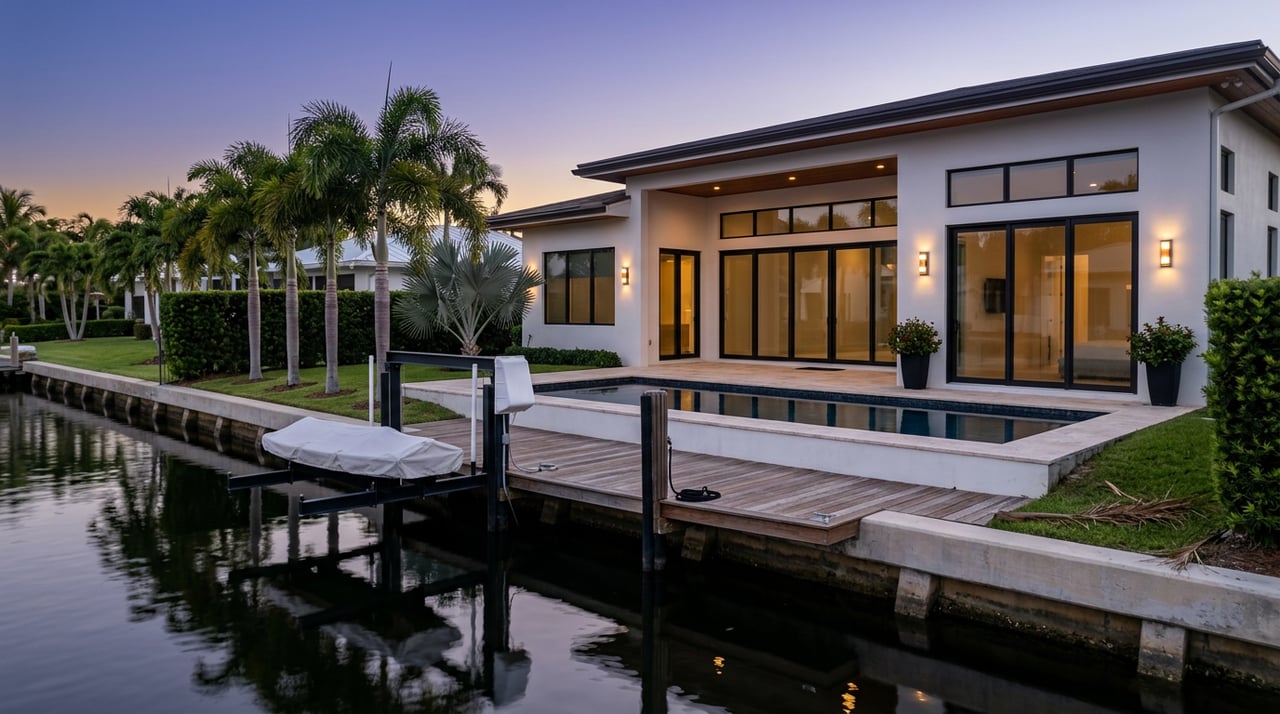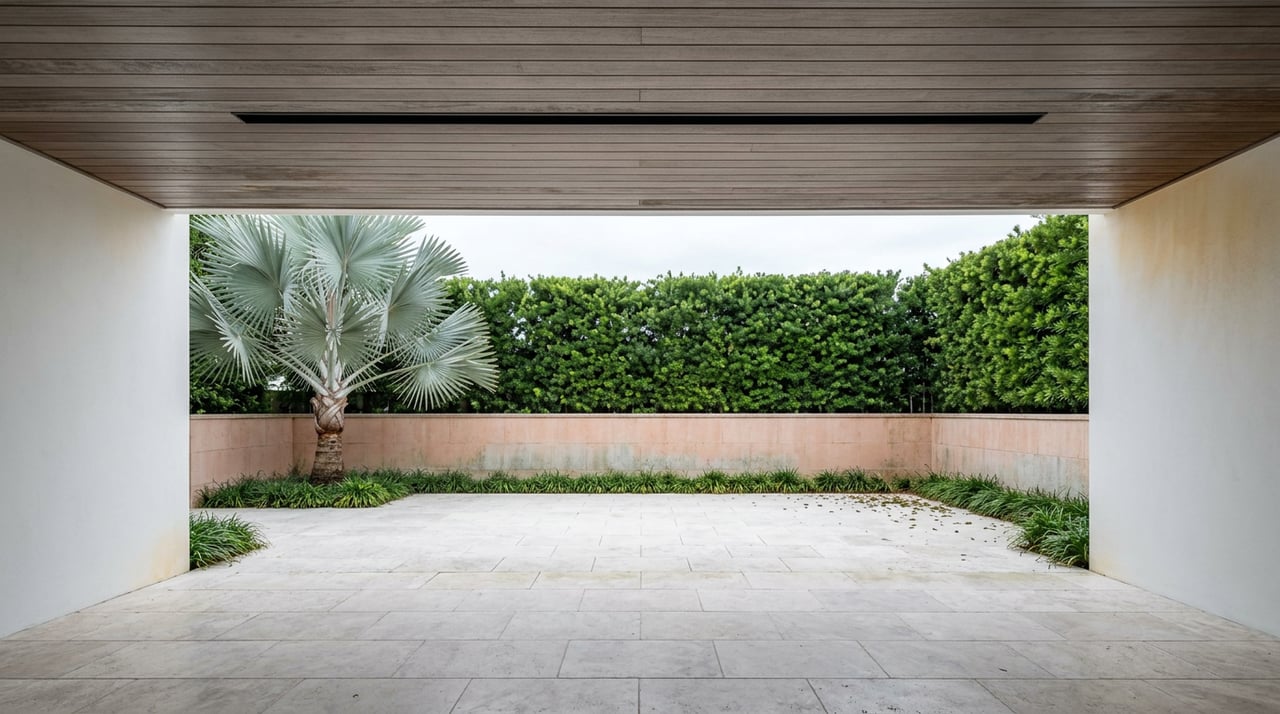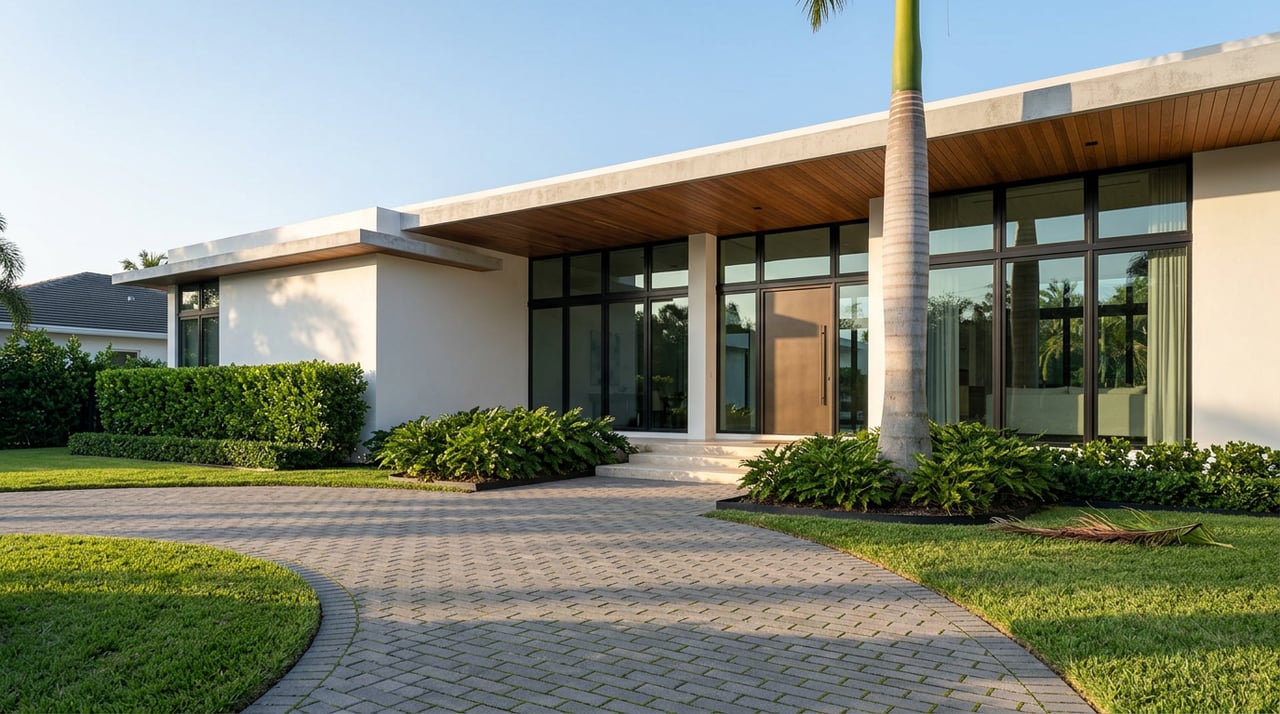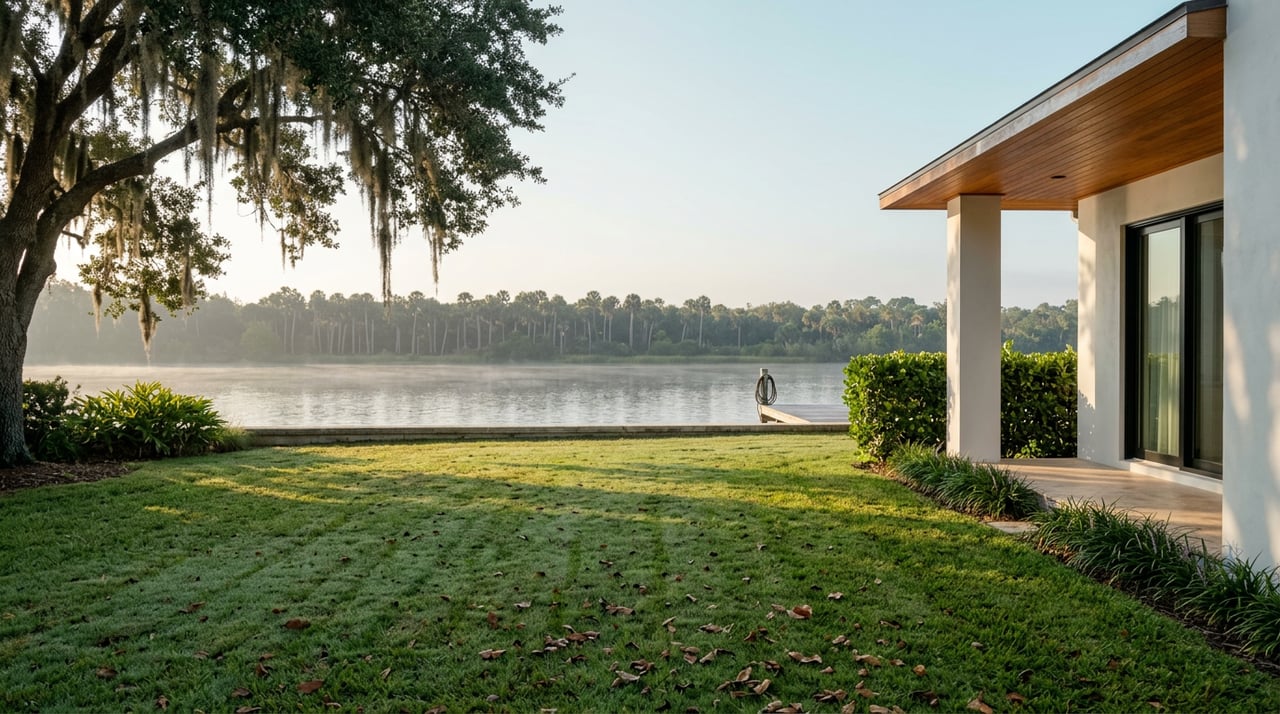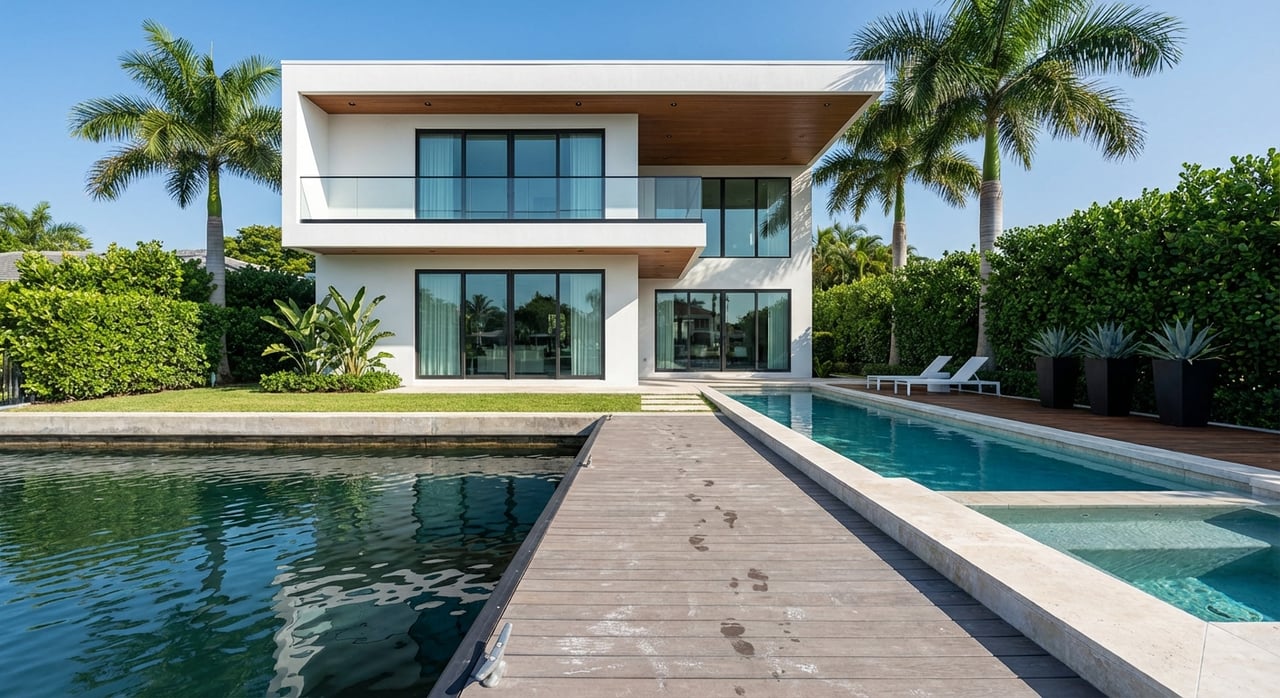
Is your ideal Las Olas Isles home a sleek, modern waterfront estate built for effortless indoor-outdoor living? You are not alone. Many older homes on the Isles are giving way to new construction that pairs deep-water dockage with contemporary design and engineered storm resilience. In this guide, you will learn what is driving the trend, what today’s buyers expect, how permitting works, and what to budget for a successful build. Let’s dive in.
The rebuild wave on Las Olas Isles
Las Olas Isles remains one of Fort Lauderdale’s most sought-after waterfront neighborhoods, and demand keeps pushing older properties toward teardown or major remodels. The draw is simple: deep-water canal access, a short boat run to the ocean, and close proximity to Las Olas Boulevard. With a limited supply of premier lots, new luxury builds continue to reset neighborhood standards.
Developers and buyers focus on lots that maximize water frontage and boating flexibility. Many current listings and recent sales show a wide range of frontages, and point lots command meaningful premiums. As the neighborhood matures, you see a steady cadence of new homes, seawall projects, and high-end outdoor living that reflect these priorities.
Waterfront lots and frontages
Most canal lots show roughly 65 to 150 feet of water frontage, while select point or larger peninsula lots can offer 150 to 300 plus feet. Those extra feet create design freedom for larger docks, more privacy, and expansive outdoor living. If you are comparing addresses, confirm actual dimensions with a current survey before you run numbers on dockage or build program.
Boating access and dockage
Many Isles canals offer direct ocean access with few or no fixed bridges. For larger yachts, usable boat size depends on dock depth, turning basin, and any dredging needs. Always plan a site-specific marine survey and due diligence on in-water work before closing.
Design and resilience standards buyers want
Today’s new builds lean modern coastal with open plans, floor-to-ceiling impact glass, and seamless transitions to the pool and dock. Buyers expect turnkey control systems, EV-ready garages, and refined finishes that live well for both seasonal and full-time use. Just as important, construction must meet High-Velocity Hurricane Zone requirements under the Florida Building Code, including testing and installation standards for impact-rated openings and structural systems. You can review the HVHZ test protocols for context in the Florida Building Code resource.
Code must-haves in HVHZ
- Impact-rated windows and doors with tested assemblies.
- Engineered roof-to-wall connections designed for HVHZ wind loads.
- Elevated slabs and flood-aware detailing that align with current base flood elevations.
- Whole-house generators or solar plus battery for continuity during outages.
Broward County is also advancing consistent shoreline standards. Regional guidance emphasizes higher seawall elevations to maintain neighborhood flood protection over time. Learn more about the county’s resilience approach in the regional seawall guidance overview.
Energy and backup power
Backup systems are no longer optional for most luxury buyers. Generators, battery storage, and solar-ready wiring reduce disruption risk and support remote ownership. These features often pair with efficient mechanicals and smart-home controls for a comfortable, resilient living experience.
Seawalls, docks, and the waterline
On the Isles, your project starts at the water’s edge. Many older homes still have original seawalls or wood docks that are due for upgrades. Permit records in Fort Lauderdale frequently show seawall and dock work, which is a useful signal when you evaluate soft costs and timelines. You can view an example of how such projects appear in public records via a permit history on BuildZoom.
Expect to budget for a new concrete bulkhead, modern dock, and boat lift if the existing infrastructure is dated. Coordinate early with neighbors on seawall height to align with Broward’s regional standards. Consistency along a canal edge can help maintain community flood protection and reduce friction in plan review.
Costs and realistic timelines
Luxury waterfront new construction in Fort Lauderdale typically commands a wide budget range, often cited around $1,000 to $1,900 plus per square foot depending on architecture, finishes, and resilience features. Treat these as planning numbers. Always obtain detailed contractor bids and line-item soft costs before committing to a timetable.
Key cost drivers to verify early:
- Demolition, hazardous material handling, and disposal.
- Seawall and dock work. Full replacement projects commonly span a broad range, and permit valuations in Fort Lauderdale show how quickly costs scale with length and pile work. See a public-record example in this BuildZoom valuation snapshot.
- Elevated structural systems, impact glazing, and mechanical upgrades.
- Design, engineering, permits, testing, and contingencies.
Timelines vary with scope and agency workload. Simple dock repairs may move quickly, while full custom home builds with new seawalls or dredging often run on multi-month to 12 plus month permitting cycles, then construction. As a planning guide, many owners allow 12 to 24 months from acquisition to occupancy. A sitework provider outlines how scope can affect schedules in its Fort Lauderdale permitting overview.
Permits without the stress
Building on the water brings more moving parts. Here is a practical sequence used by many Isles projects:
- Due diligence. Order a current survey, elevation certificate, geotechnical testing, and a marine survey for dock depth and basin conditions. Pull current flood data with Broward’s interactive flood map tools.
- County environmental review. Confirm whether Broward County requires Development and Environmental Review and secure the DER approval certificate via Broward ePermits before city building permits.
- City permits. Submit architectural and structural plans to the City of Fort Lauderdale. Separate seawall and dock permits follow detailed city checklists. Review the city’s seawall and dock permitting resources before you finalize drawings.
- State and federal authorizations. In-water work or dredging can trigger federal review. Recent public notices show how large marine projects undergo extended comment cycles. For an example of federal review scope, see a USACE public notice.
- Inspections and closeout. Plan for iterative comments, corrections, and multi-agency coordination throughout.
Pro tip: Align seawall elevation, drainage strategy, and finished floor heights early. Conflicts between target seawall height and neighboring properties can delay approvals.
Tear down or renovate
Not every property needs a full reset. Use these prompts to decide your path.
When teardown often makes sense:
- First-floor elevation sits well below today’s base flood elevation, making compliance costly.
- Structural condition is poor, or foundations do not suit an elevated plan.
- The lot can support a higher-value footprint that the current home cannot achieve.
When renovation may win:
- The home has solid structure and is near current elevation requirements.
- Demolition, seawall, dredging, and full HVHZ compliance would erode value.
- You prefer a phased plan that tackles mechanicals, glazing, and outdoor areas first.
Before you decide, verify the current base flood elevation and site specifics. Broward’s flood mapping tools and a fresh elevation certificate help you price the true scope.
Neighborhood upgrades to track
Las Olas Isles is moving toward underground utilities, which can enhance reliability and the streetscape. Coordination with utility schedules can affect your construction sequencing, so check status during planning. Read a brief update on the initiative in this neighborhood undergrounding overview.
How we guide your new build
Building or buying new construction on the Isles should feel exciting, not overwhelming. You get strategic lot selection, neighborhood intelligence, and a curated network of architects, marine contractors, and inspectors. From early due diligence through close, we help you navigate permitting, timeline risk, and finish selections so your home lives as beautifully as it looks.
Ready to talk through a lot or upcoming project in Las Olas Isles? Schedule a private consultation with Heather Lefka.
FAQs
What defines the new-build trend in Las Olas Isles?
- Buyers are replacing older homes with modern, resilient estates that deliver deep-water dockage, fast ocean access, and turnkey indoor-outdoor living. Limited premier lots and strong demand are driving the shift.
What seawall rules should I know in Broward County?
- Broward promotes consistent, higher seawall elevations to support neighborhood flood protection. Review the county’s regional standards in this seawall guidance overview.
How long does permitting take for a new waterfront home?
- Simple dock work can move in weeks or months, while full custom builds with seawall or in-water components often plan for 12 to 24 months from design through completion, depending on scope and agency load. Broward DER’s process is outlined on Broward ePermits.
Which upgrades may help insurance outcomes on a new build?
- Impact-rated openings, HVHZ-compliant roof connections, and documented wind mitigation can help. A standard wind mitigation inspection can qualify a home for credits with many carriers. See an overview of the inspection process at FPAT’s wind mitigation page.
Do I need to budget for a new seawall if I buy an older property?
- Many older homes have dated seawalls or docks. Permit histories in Fort Lauderdale commonly show seawall and dock upgrades, which suggests you should assess condition early. View a representative permit valuation example to understand how costs are documented.
How much frontage supports a larger yacht in the Isles?
- It depends on your vessel and the specific canal. Frontage length, water depth, turning radius, and any dredging needs all matter. Order a marine survey during due diligence to size dockage correctly.