If you are shopping for a Fort Lauderdale condo for seasonal living, the prettiest lobby or sharpest water view should not be the only thing guiding your decision. When you split your time between homes, the right building can make ownership feel easy, while the wrong one can create constant stress, surprise costs, and avoidable hassles when you are away. This guide will help you focus on what matters most in Fort Lauderdale, from location fit and carrying costs to building operations, legal documents, and rental rules. Let’s dive in.
Start With Your Seasonal Lifestyle
A seasonal condo should match how you actually plan to live, not just how the listing looks online. In Fort Lauderdale, proximity to the beach and proximity to Las Olas often mean two different day-to-day experiences, not one catch-all coastal lifestyle.
According to the city's official neighborhood map, areas such as Downtown Fort Lauderdale, Flagler Village, Galt Mile, Harbor Beach, Las Olas Isles, and Lauderdale Beach each sit in distinct parts of the city with different access patterns and surroundings. The city also identifies the beach corridor and Las Olas Boulevard corridor as major destinations, which is a useful reminder that your best fit may be beach-first, Las Olas-first, or downtown-first rather than simply “near the water.” You can review the city’s official neighborhood map and area references as part of your search.
Beach-First Living
If you picture morning walks near the shoreline, casual beach days, and a resort-style feel, a beach-area condo may be the better fit. This lifestyle can work especially well if you want a seasonal home that feels easy and relaxed from the moment you arrive.
For owners who prefer to stay car-light, Fort Lauderdale offers a practical perk through its Residential Beach Parking Permit program. The permit costs $75 plus tax and is valid at Fort Lauderdale Beach Park, North Beach meters, and Las Olas Garage, and the city notes that both Broward County Transit and the free Fort Lauderdale Community Shuttle serve the beach area.
Las Olas-First Living
If your ideal season includes dining, shops, galleries, and easy access to one of Fort Lauderdale’s best-known corridors, you may prefer to be closer to Las Olas. This choice often appeals to buyers who want a lively, walkable social rhythm during their time in town.
That does not always mean direct beach access is your top priority. In many cases, it means you are choosing convenience to Las Olas Boulevard and its surrounding areas over a purely beachfront setting.
Downtown-First Convenience
Some seasonal owners want a lock-and-leave condo with a more urban feel and easier access to services, offices, and cultural destinations. Downtown and nearby neighborhoods can offer that balance, especially if you value convenience over a resort-style atmosphere.
The key is to decide early what kind of arrival experience you want each season. Your best condo is the one that supports your routine with the least friction.
Look Beyond Price to Total Cost
In today’s market, condo value is about far more than the purchase price. Florida Realtors reported that in 2025, the statewide condo and townhouse market showed a median sale price of $305,000, a median time to contract of 75 days, a median time to sale of 113 days, and 8.8 months of supply, signaling a softer market with more time to evaluate options.
That same Florida Realtors condo data and second-home analysis also noted that Fort Lauderdale second-home mortgage originations fell 28% in 2024, with rising insurance, HOA, property tax, and assessment costs discouraging some out-of-town buyers. For a seasonal buyer, this often shifts the conversation from headline price to total carrying cost.
Costs To Review Carefully
Before you move forward on any condo, review:
- Monthly condo or HOA fees
- Insurance obligations tied to ownership
- Property taxes
- Current or likely special assessments
- Reserve strength and long-term repair planning
- Any building costs that could affect part-time owners, such as valet, storage, or service fees
A condo with a lower asking price can still be the more expensive choice over time if the building has weak reserves, major projects ahead, or operating systems that create extra expense when you are not in residence.
Prioritize Lock-And-Leave Functionality
A seasonal condo should be easy to leave for weeks or months at a time. That is why building operations matter just as much as finishes, views, and amenity decks.
When you tour, focus on how the building works in real life. The research points to several practical features worth prioritizing for seasonal living.
Building Features That Reduce Friction
Look for:
- Staffed front desk or concierge
- Valet service
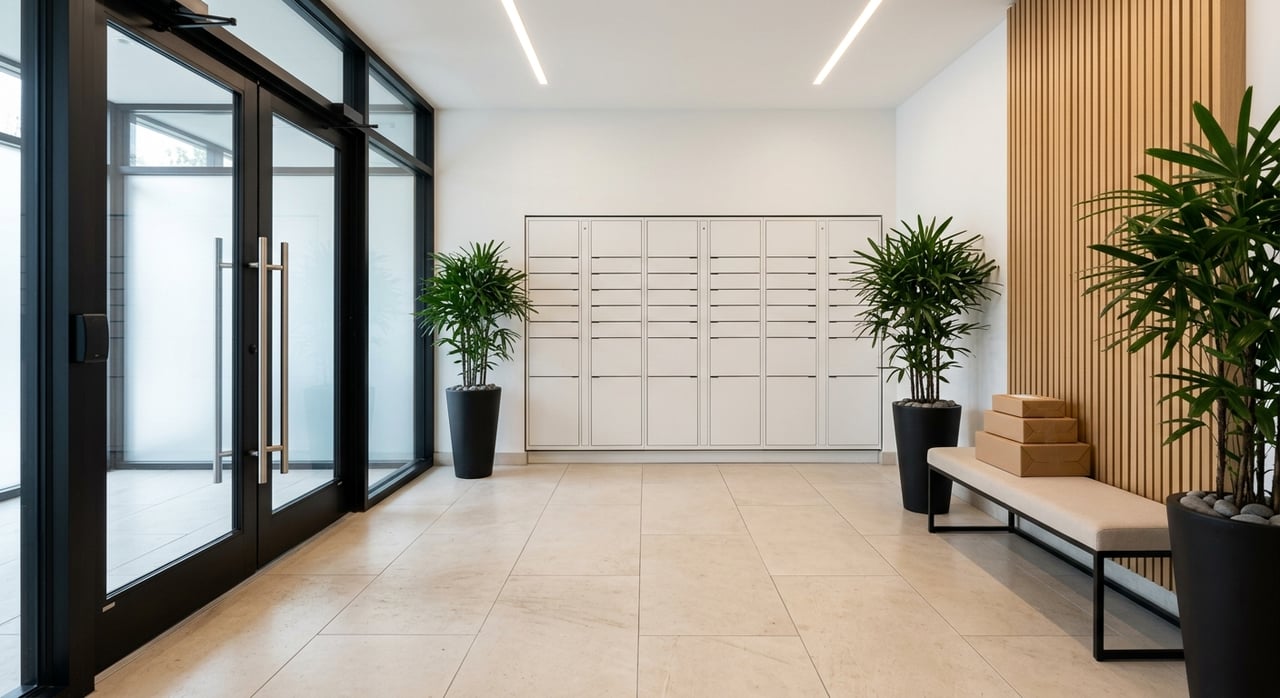
- Secure package receiving
- Guest parking
- Storage
- Bike storage
- Reliable elevators
- Backup power
- Clear procedures for deliveries and owner absences
These are building-level considerations that should be verified both in person and in the governing documents. A beautiful unit in a poorly run building can be far less enjoyable than a well-managed property with smoother day-to-day systems.
Check The Association’s Digital Readiness
If you live elsewhere part of the year, digital access matters. Florida law now requires many condominium associations with 25 or more units to post key documents online, maintain a protected owner-only portal, provide login access on request, and keep a wide range of records digitally available.
Under Florida condominium law, those records can include declarations, bylaws, rules, board minutes, budgets, financial reports, contracts, bids, inspection reports, and the latest Structural Integrity Reserve Study, or SIRS. Electronic voting is also permitted when the board adopts it and the owner consents.
For a seasonal owner, this can make a major difference. A strong owner portal may simplify everything from document review and payment tracking to staying current on building decisions while you are away.
Review Inspections And Reserves Before Closing
One of the most important parts of buying a Florida condo today is understanding the building’s inspection and reserve status. This is especially true for seasonal buyers who want predictability and fewer surprises.
Florida requires a Structural Integrity Reserve Study for each condominium building that is three habitable stories or higher at least every 10 years. The state’s condo guidance explains that for unit-owner-controlled associations existing on or before July 1, 2022, the first SIRS deadline was December 31, 2025, and associations with a milestone inspection due on or before December 31, 2026 may complete the SIRS at the same time, but no later than December 31, 2026.
The milestone inspection applies to buildings that are three habitable stories or more, is due at the 30-year mark and every 10 years thereafter, and local officials can move the deadline earlier in coastal areas. In a market like Fort Lauderdale, that makes document review a core part of condo due diligence.
Documents You Can Request
Before a resale contract is signed, buyers are entitled to important condominium documents. Under Florida Statute 718.503, this includes:
- Declaration
- Bylaws
- Rules
- Annual financial statement and budget
- FAQ sheet
- Inspector-prepared milestone summary, if applicable
- Most recent SIRS, if applicable
- Turnover inspection report, if applicable
Current contract language also has to disclose whether those documents are missing or already completed. If records are not posted online, associations must still make official records available within 10 working days after a written request, as outlined in Chapter 718.
Questions To Ask About Building Health
As you narrow your options, ask:
- Have the milestone inspection and SIRS been completed?
- Are any special assessments pending or expected?
- If follow-up work is needed, who is paying for it?
- How strong are reserves today?
- Are budgets keeping pace with known repair needs?
These answers can tell you as much about future comfort and costs as the floor plan itself.
Understand Rental Rules Before You Count On Flexibility
Many seasonal buyers like the idea of renting out the condo while they are away. That can be a smart goal, but you should never assume the unit offers short-term flexibility.
First, check the condominium’s own lease rules. The research highlights several practical questions to ask, including the minimum lease term and how many leases per year are allowed.
Second, confirm local rules. Fort Lauderdale states that any single-family, two-family, three-family, four-family, or condominium advertised for 30 days or less to transient occupants must register with the city, and the property must be licensed with the state and county before city registration. You can review the city’s vacation rental requirements before assuming a condo will work for short stays.
For seasonal owners, this is where details matter. A building may be ideal for personal use yet restrictive for rentals, or vice versa.
Ask The Right Questions During Tours
A well-run showing is your chance to learn how a building functions, not just how a unit presents. Seasonal ownership works best when the practical side is just as strong as the visual side.
Use this shortlist as you tour condos in Fort Lauderdale:
- Is the better fit beach-first, Las Olas-first, or downtown-first?
- What is the minimum lease term, if any?
- How many leases per year are allowed?
- Does the building have guest parking?
- Is there secure package receiving?
- Is there an owner portal for records and communication?
- Are special assessments pending or expected?
- Have milestone inspection and SIRS requirements been addressed?
These questions can help you separate a beautiful seasonal property from one that is truly easy to own.
Why Local Guidance Matters
In a market like Fort Lauderdale, one condo building can operate very differently from the next, even within the same general area. Two properties may look similar online, yet offer very different reserve positions, rental rules, service levels, and ownership experience.
That is why seasonal condo buyers benefit from neighborhood-level perspective and a careful review process. When you understand the location fit, building operations, document trail, and cost structure before you buy, you are in a much better position to choose a condo that supports your lifestyle for years to come.
If you want a more tailored view of Fort Lauderdale’s premium condo options for seasonal living, Heather Lefka offers private, concierge-level guidance designed to help you evaluate not just the unit, but the full ownership experience.
FAQs
What matters most when choosing a Fort Lauderdale condo for seasonal living?
- The biggest factors are total carrying cost, location fit, building operations, reserve and inspection status, and rental rules if you may lease the unit while away.
How do Fort Lauderdale beach and Las Olas condo lifestyles differ?
- Fort Lauderdale’s beach corridor and Las Olas corridor usually support different daily routines, with beach areas often feeling more resort-oriented and Las Olas locations often prioritizing dining, shopping, and social convenience.
What condo documents should you review before buying in Fort Lauderdale?
- You should review the declaration, bylaws, rules, annual financial statement and budget, FAQ sheet, and when applicable, the milestone summary, most recent SIRS, and turnover inspection report.
What is a SIRS for a Florida condominium building?
- A SIRS, or Structural Integrity Reserve Study, is a required reserve-planning study for condominium buildings that are three habitable stories or higher, and it helps buyers understand long-term repair funding and building condition planning.
Can you rent out a Fort Lauderdale condo during the months you are away?
- Possibly, but you need to confirm both the condo association’s lease restrictions and the city’s vacation rental rules before assuming short-term or frequent rentals are allowed.
Why is digital access important for seasonal Fort Lauderdale condo owners?
- Digital access can make part-time ownership much easier by giving you a way to review records, track building updates, and manage association communication while you are not in residence.