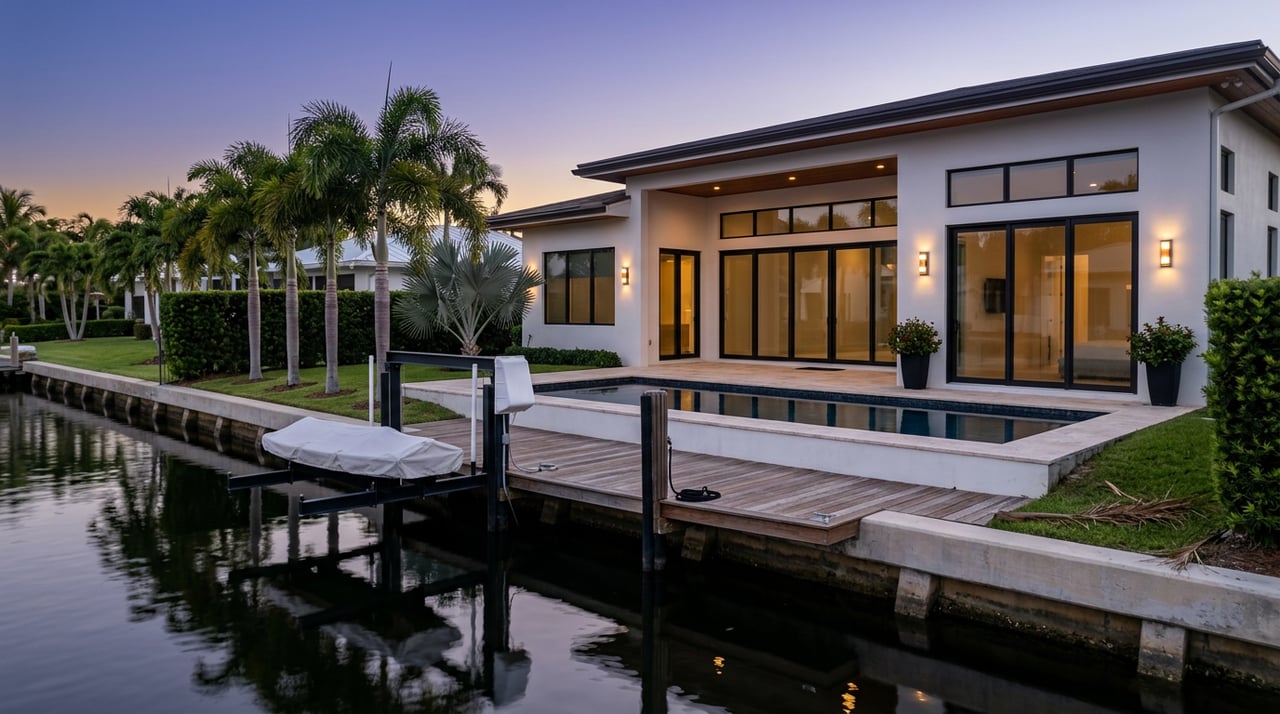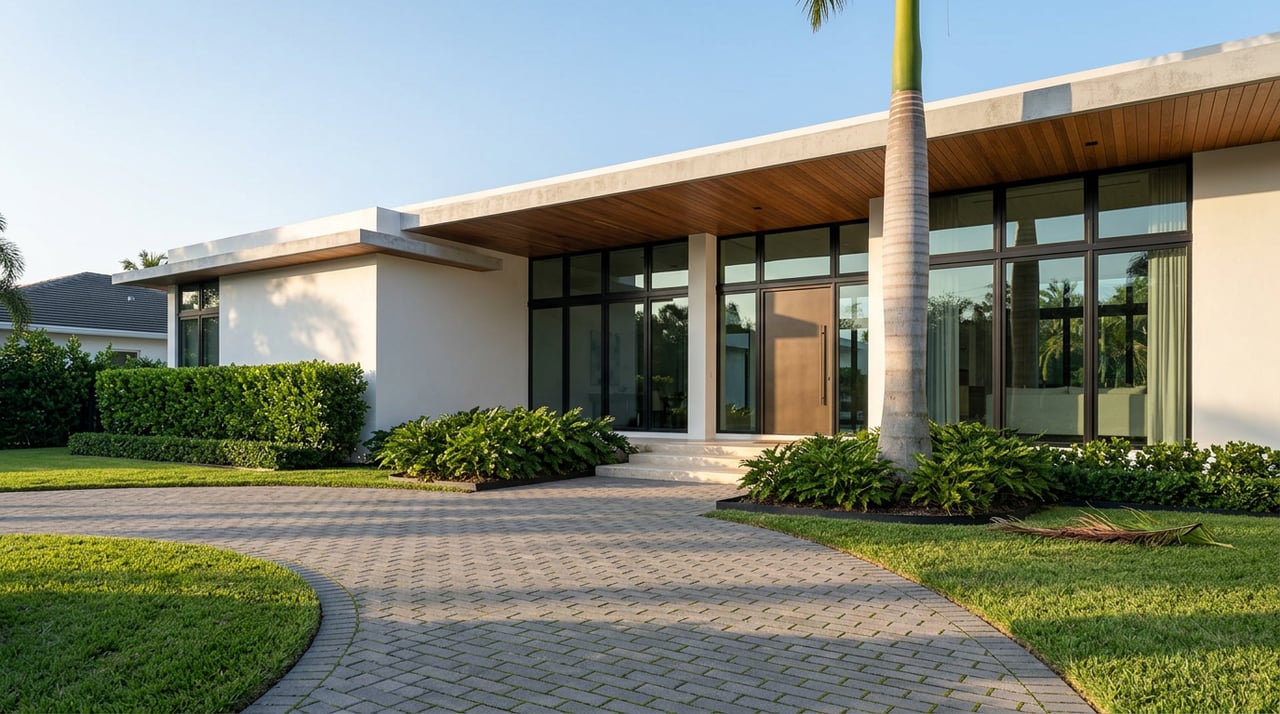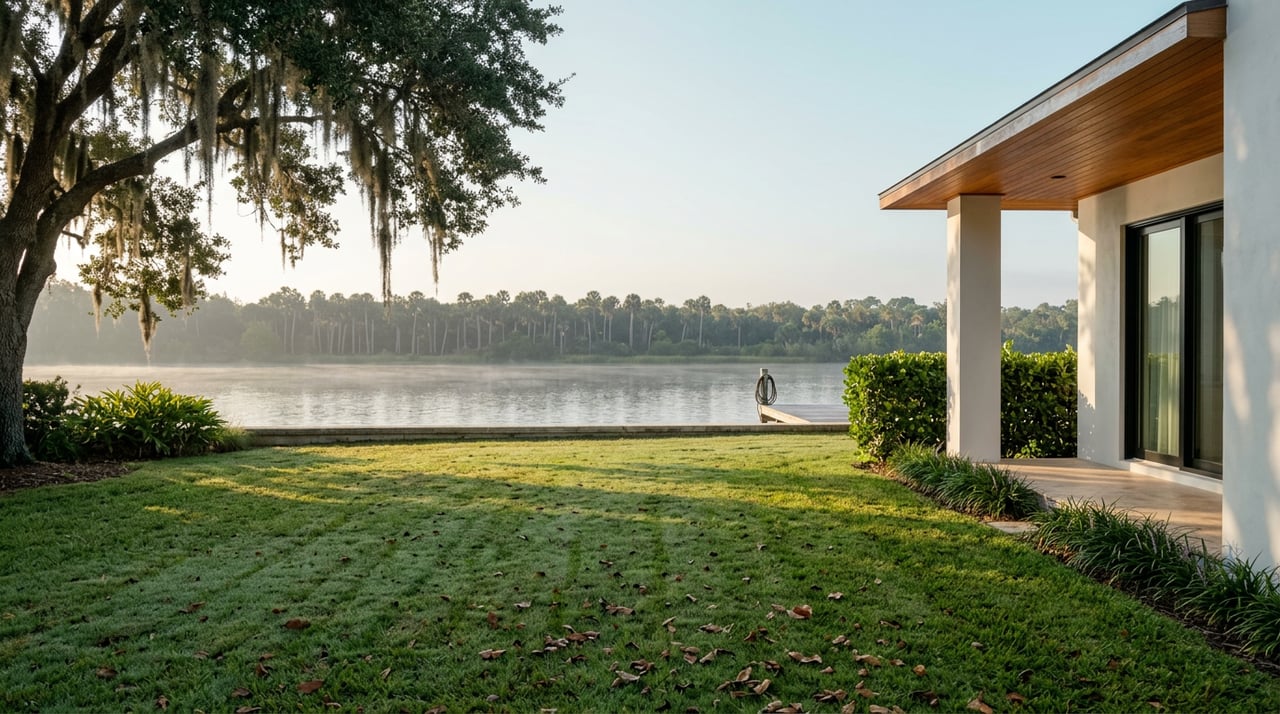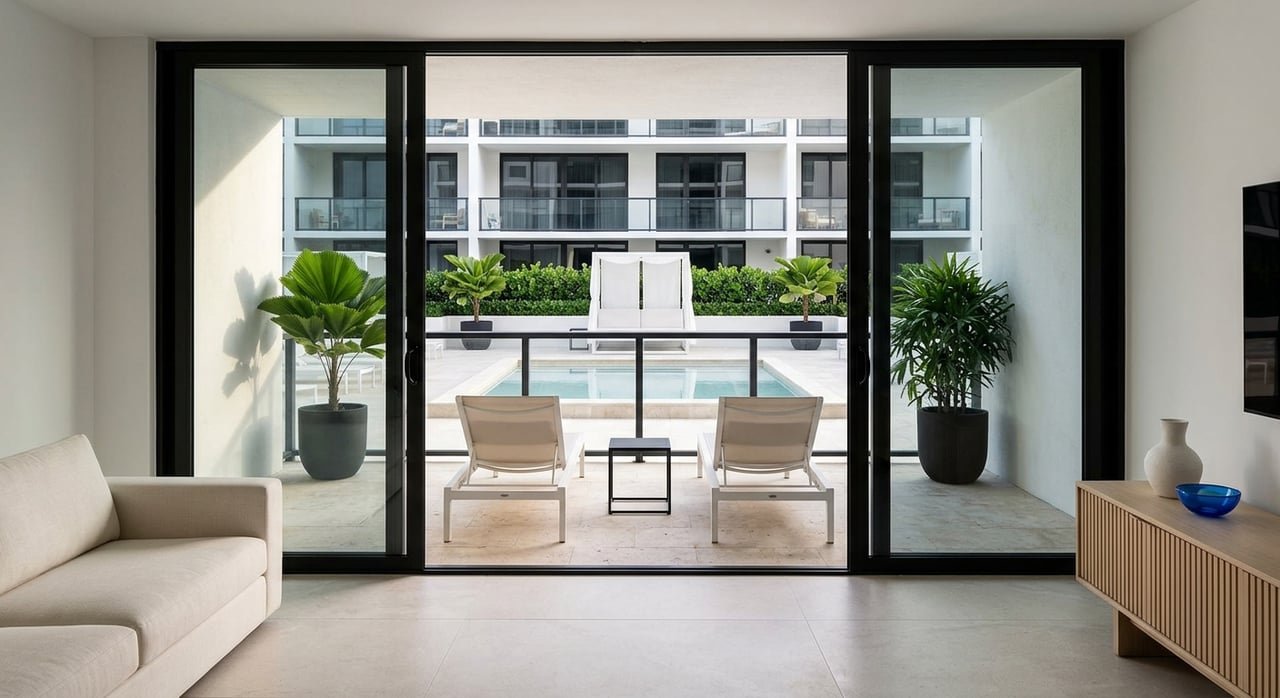
If you are deciding between a beach house and a condo in Fort Lauderdale’s 33308 area, you are really choosing between two different ownership lifestyles. One gives you more control and privacy, while the other can reduce your day-to-day maintenance but add shared rules, fees, and building-level financial obligations. In a coastal market shaped by weather exposure, busy beachfront activity, and evolving condo regulations, the details matter. Let’s dive in.
Fort Lauderdale Beach Ownership Basics
In Fort Lauderdale Beach, especially along the barrier island beach district, ownership is shaped by both lifestyle and logistics. The area is part of a highly active coastal setting with beachfront businesses, restaurants, hotels, events, and public beach access along the A1A corridor, according to the City of Fort Lauderdale’s Beach Business Improvement District.
That means whether you buy a house or a condo, you are not just buying square footage. You are buying into a beach environment with public amenities, seasonal traffic patterns, and a property type that will affect how much responsibility you carry personally.
Beach House vs Condo at a Glance
A beachfront house is usually the autonomy choice. A condo is usually the convenience choice. Neither is automatically better. The better fit depends on how you want to live, what you want to manage, and how comfortable you are with shared governance.
| Ownership Type | Typical Advantage | Typical Tradeoff |
|---|---|---|
| Beach House | More control, privacy, and direct use of the property | More hands-on maintenance and full responsibility for costs |
| Condo | Less direct exterior upkeep and access to shared services | HOA dues, building rules, reserve obligations, and possible assessments |
Beach House Ownership in 33308
More control, more responsibility
With a single-family beach house, you are responsible for the full stack of ownership costs. The Consumer Financial Protection Bureau notes that homeowners should budget for mortgage payments, property taxes, homeowners insurance, maintenance, repairs, and utilities. Depending on the property, HOA fees may also apply.
On Fort Lauderdale Beach, that responsibility can be heavier than it might be inland. Coastal conditions matter. FEMA notes that salt-laden air and moisture can corrode metal components, and its coastal construction guidance emphasizes maintenance practices that help buildings last in harsh coastal environments.
Privacy and outdoor use
A beach house often gives you more direct control over access, outdoor areas, and daily use. If you value a private entry, your own outdoor spaces, and fewer shared decisions, this can be a strong advantage.
That said, Fort Lauderdale Beach is still a public, active coastal district. The city highlights the beachfront promenade, parks, and visitor activity, so even house ownership in 33308 should be viewed as more private in structure, not necessarily isolated in feel.
Condo Ownership in 33308
Less direct upkeep, more shared governance
Florida condo ownership works differently by design. Under Florida Statute 718.111, the association is responsible for maintaining, repairing, and replacing common elements and association property. The association also has access rights to units when needed for those purposes.
For many buyers, especially seasonal owners or buyers who do not want to manage exterior upkeep, that structure is appealing. You may have less hands-on responsibility for the building exterior and shared systems, but you also step into a managed environment with dues, rules, and board oversight.
What you still own inside the unit
A common misunderstanding is that condo ownership means the association covers everything. It does not. Florida law makes clear that association property insurance excludes personal property and many interior items inside the unit, which remain the unit owner’s responsibility.
In simple terms, the condo may reduce some maintenance burdens, but it does not remove your need to understand interior repair obligations and insurance coverage. Before you buy, it is smart to review what is truly covered by the association and what falls to you.
The Biggest Difference Today: Condo Regulation
Florida inspection and reserve rules
One of the clearest differences between a beach house and a condo in South Florida today is the regulatory burden on certain condominium buildings. The Florida Department of Business and Professional Regulation says that residential condominium and cooperative buildings that are three or more habitable stories high must undergo milestone inspections and structural integrity reserve studies on a set schedule.
In general, milestone inspections are due at 30 years of age and every 10 years after that, or at 25 years in some local circumstances. DBPR also states that covered associations must complete a structural integrity reserve study at least every 10 years, and if a budget is adopted on or after January 1, 2025, required SIRS reserves cannot be waived.
Why this matters to buyers
These rules can directly affect your monthly carrying costs and future financial exposure. DBPR notes that if reserves are underfunded, an association may need a special assessment, loan, or line of credit. Required reserve items can include the roof, structural systems, fire protection, plumbing, electrical, waterproofing, exterior painting, and windows and exterior doors.
This is a major reason some buyers now compare condos and houses differently than they did a few years ago. A single-family home is exempt from this condo milestone-inspection framework, so while a house owner still faces repair costs, you are not entering the same shared reserve-funding system.
Cost Planning: Predictable vs Direct
Beach house budgeting
A beach house gives you direct control over when and how work gets done, but it also means you carry the costs directly. If the roof, exterior components, or storm-related repairs need attention, the decision and the bill are yours.
Some buyers prefer that clarity. You are not waiting on an association vote or reserve schedule. But you should be prepared for maintenance in a coastal setting where exposure to salt air and moisture can accelerate wear.
Condo budgeting
A condo can feel more budgetable because many shared expenses are pooled through monthly dues. Florida law also treats certain services and association insurance as common expenses, which can make ownership more streamlined on the surface.
Still, shared budgeting does not always mean lower risk. Under Florida Statute 718.115, associations can levy assessments for common expenses. In practice, that means unexpected building-level costs can be spread across owners.
Flood and Storm Exposure
Both property types need careful review
In a coastal market, flood risk should never be judged by appearance alone. FEMA states that lenders must require flood insurance for buildings in a Special Flood Hazard Area when the loan is made by a federally regulated or insured lender. FEMA also notes that nearly 1 in 4 NFIP claims come from moderate- to low-risk flood zones.
Before you commit to either a condo or a beach house, check the property on FEMA flood maps and flood insurance guidance. A waterfront or near-water address may have very different insurance implications than you expect.
How storm costs can differ
With a house, storm-related repairs are typically your direct responsibility. With a condo, some disaster-related common expenses may be shared across owners if they are not covered by the association’s insurance.
That difference is important. A condo may reduce routine maintenance work, but it can also expose you to building-wide cost spikes that are outside your control.
Lifestyle Fit in Fort Lauderdale Beach
When a beach house may fit better
A beach house often fits buyers who want more independence in how they use and maintain the property. If you care most about direct control, private outdoor space, and avoiding association governance, a house may align better with your goals.
This can also appeal to buyers who want to make decisions quickly without working through a board or building process. In a luxury coastal setting, that flexibility can be valuable.
When a condo may fit better
A condo often fits buyers who want a more managed ownership experience. If you spend only part of the year in Fort Lauderdale, prefer fewer exterior maintenance tasks, or want a more lock-and-leave setup, the condo model may be more practical.
The tradeoff is that you need to be comfortable reviewing association documents, understanding reserve funding, and accepting community rules. Convenience is real, but it comes with structure.
The Right Question to Ask
The smartest way to compare a Fort Lauderdale beach house and condo is not simply, “Which one is nicer?” It is, “Do you want to manage a property, or live inside a managed system?”
That question usually gets to the heart of the decision. In 33308, where coastal exposure, public beach activity, and condo regulation all shape ownership, your best fit depends on your time, priorities, and tolerance for shared decision-making.
If you want tailored guidance on Fort Lauderdale Beach homes, premium condominiums, or ownership tradeoffs in Broward’s coastal micro-markets, Heather Lefka offers discreet, concierge-level support designed to help you buy with clarity and confidence.
FAQs
What is the main difference between owning a beach house vs condo in Fort Lauderdale Beach?
- A beach house usually gives you more privacy, control, and direct responsibility, while a condo usually offers less direct upkeep but more shared rules, dues, and association-level financial obligations.
Who pays for repairs in a Fort Lauderdale condo?
- In general, the association is responsible for common elements and association property, while the unit owner is responsible for personal property and many interior items excluded from association insurance.
Are special assessments possible for condos in Broward County beach buildings?
- Yes. Florida condo law allows assessments for common expenses, and underfunded reserves or major building needs can lead to special assessments, loans, or lines of credit.
Is flood insurance required for a beach house or condo near Fort Lauderdale Beach?
- It may be required if the building is in a Special Flood Hazard Area and the loan is from a federally regulated or insured lender, so buyers should verify the property on FEMA flood maps.
Are single-family beach houses subject to Florida condo milestone inspections?
- No. Single-family homes are exempt from the condo milestone-inspection rules that apply to certain condominium and cooperative buildings three or more habitable stories high.