If you have ever wondered why one short stretch of South Florida shoreline carries such a big-name reputation, the answer comes down to something simple: scarcity meets waterfront prestige. Hillsboro Mile has long stood out as one of Broward County’s most distinctive luxury addresses, and the nickname “Millionaires Mile” did not appear by accident. If you are researching the area as a buyer, seller, or simply a curious local, this guide will show you what makes this corridor unique and why its real estate identity remains so strong. Let’s dive in.
What Is Hillsboro Mile?
Hillsboro Mile is the main north-south road that runs through Hillsboro Beach, a barrier-island town in the 33062 area between the Atlantic Ocean and the Intracoastal Waterway. According to the Town of Hillsboro Beach, the peninsula is about 3 miles long and only about 900 feet wide at its widest point.
That narrow shape matters in real estate. With Deerfield Beach to the north, Pompano Beach to the south, and Lighthouse Point across the Intracoastal, the town has very limited land and very little room to expand. In a market where location drives value, that kind of physical constraint helps explain why the Mile feels so exclusive.
Why “Millionaires Mile” Stuck
The nickname fits because Hillsboro Mile combines rare waterfront land, privacy, and a well-known luxury image in one corridor. The town’s own materials refer to Hillsboro Beach as Florida’s Magnificent Mile, and a local planning document notes that the strip is commonly called both Hillsboro Mile and Millionaires Mile.
That reputation is also reinforced by the kinds of properties found there. Current market examples include eight-figure homes, including a Hillsboro Mile listing priced at $39.9 million. At the top end, the address itself carries weight, which is one reason the nickname continues to resonate.
Scarcity Drives Prestige
One of the clearest reasons Hillsboro Mile is associated with wealth is simple supply and demand. The town is almost entirely residential, with about 50 single-family residences, most residents living in condominiums, only one hotel, and no commercial properties, according to the Town of Hillsboro Beach overview.
That means you are not looking at a large, mixed-use beach community with endless turnover. You are looking at a very limited residential corridor where the amount of road frontage, water frontage, and developable land is inherently constrained. In luxury real estate, that level of scarcity often supports long-term demand.
The Setting Feels Different
Part of the Mile’s appeal is that it does not feel overbuilt or overly commercial. The town has a small permanent population of about 2,000, with seasonal population growth as winter residents return, based on the same official town information.
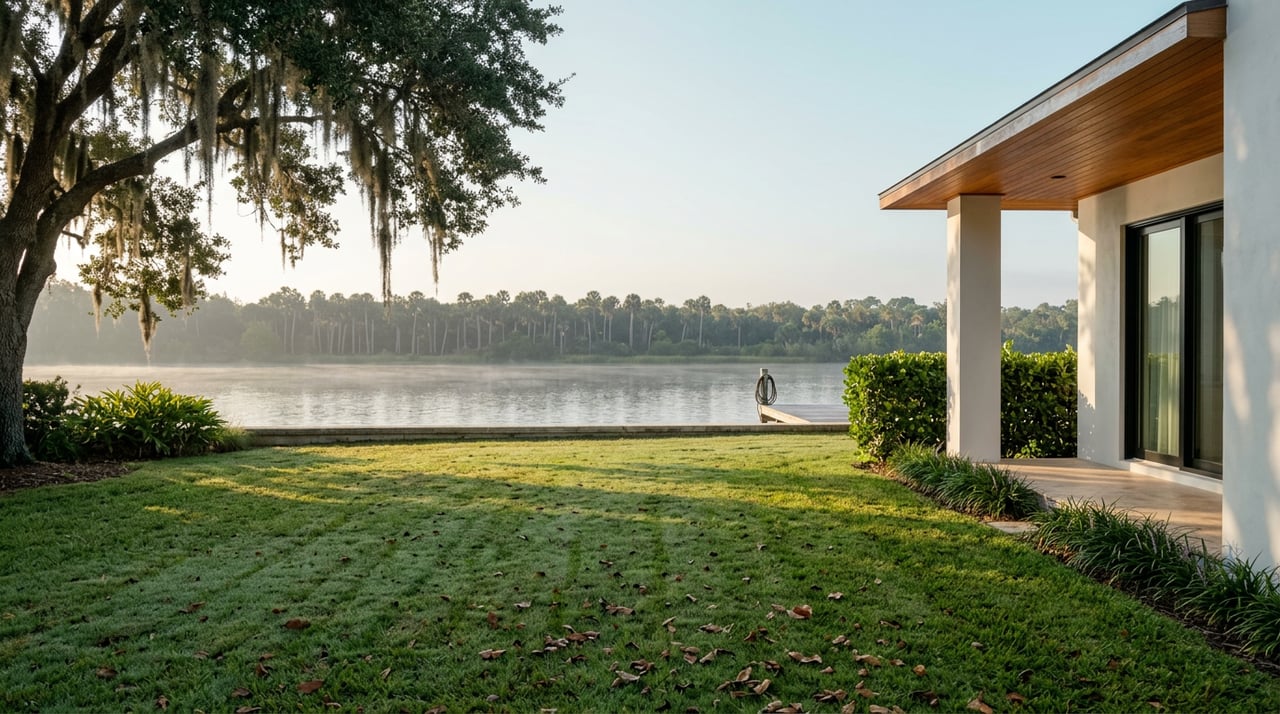
For many buyers, that translates into a quieter coastal setting with a more private rhythm than busier beachfront areas. The atmosphere is shaped less by retail activity and more by waterfront living, residential architecture, and the natural surroundings of the barrier island.
Property Types on Hillsboro Mile
Hillsboro Mile is not just one kind of luxury market. It is better understood as a micro-market with several distinct property categories.
Single-Family Waterfront Estates
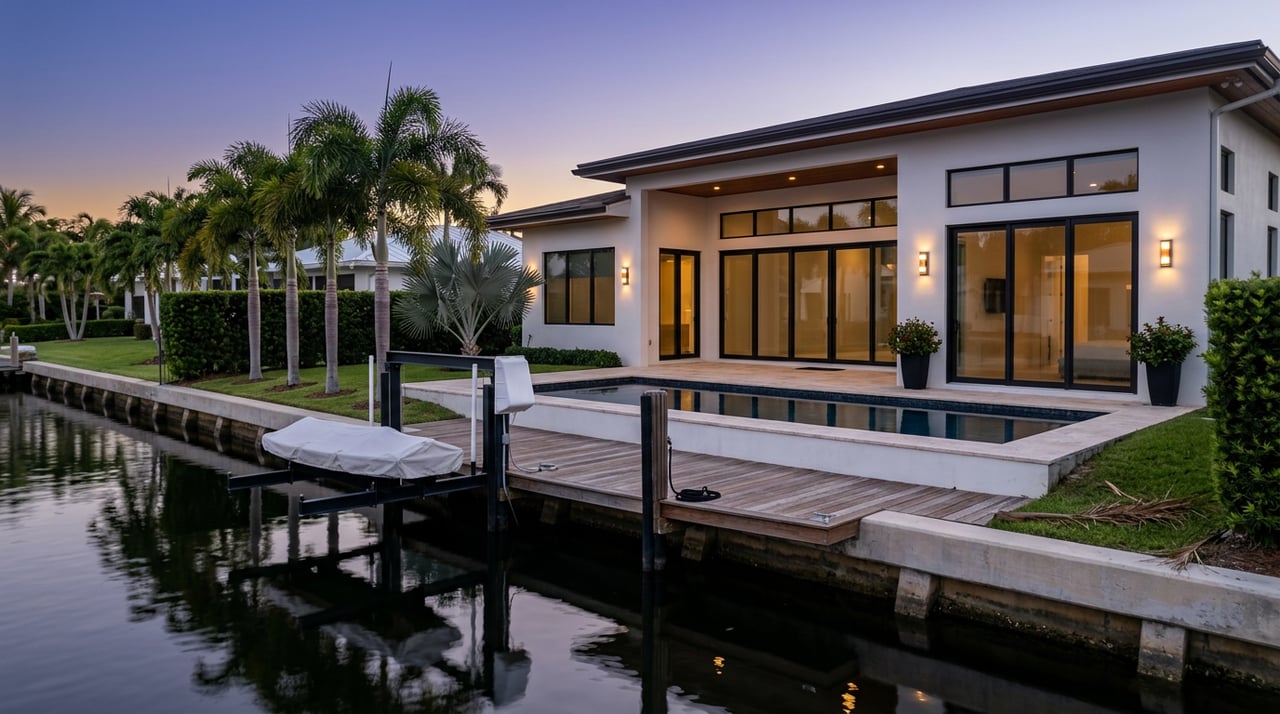
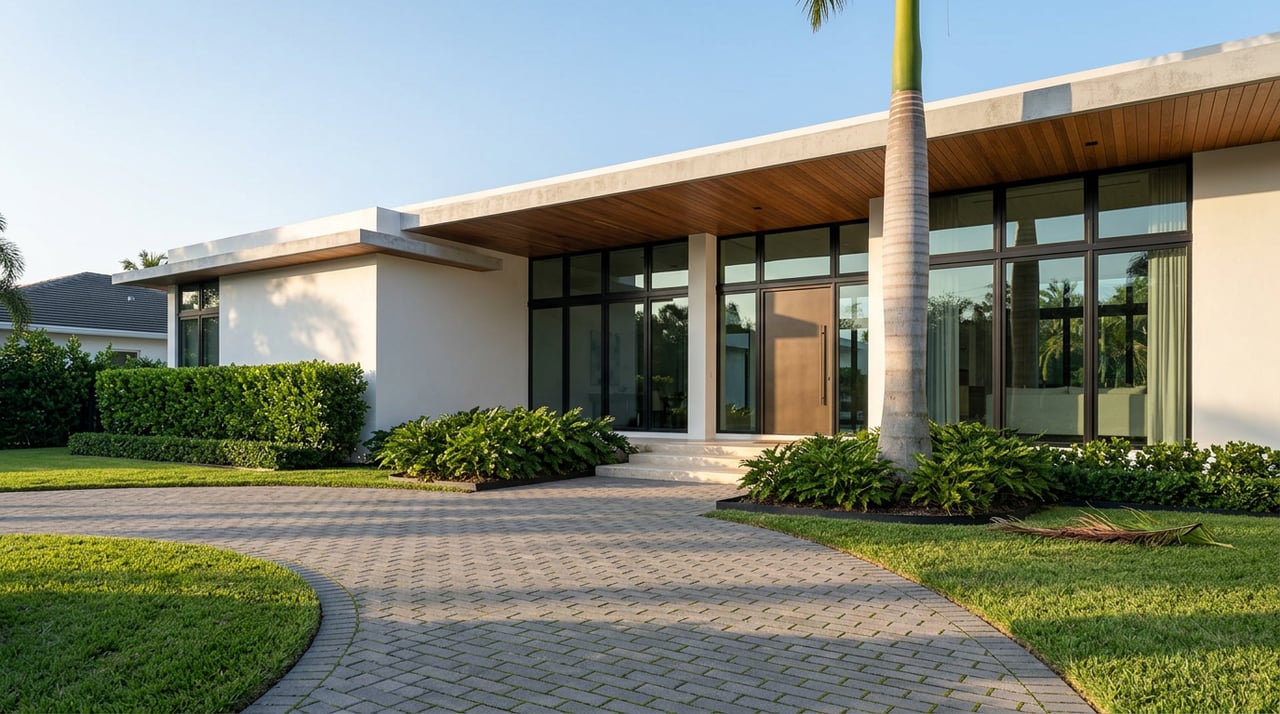
The most visible expression of the Millionaires Mile identity is the collection of large waterfront homes along the corridor. The town describes the area as featuring large estate homes and beachside condominiums, and these estate properties are the ones most closely tied to the area’s luxury reputation.
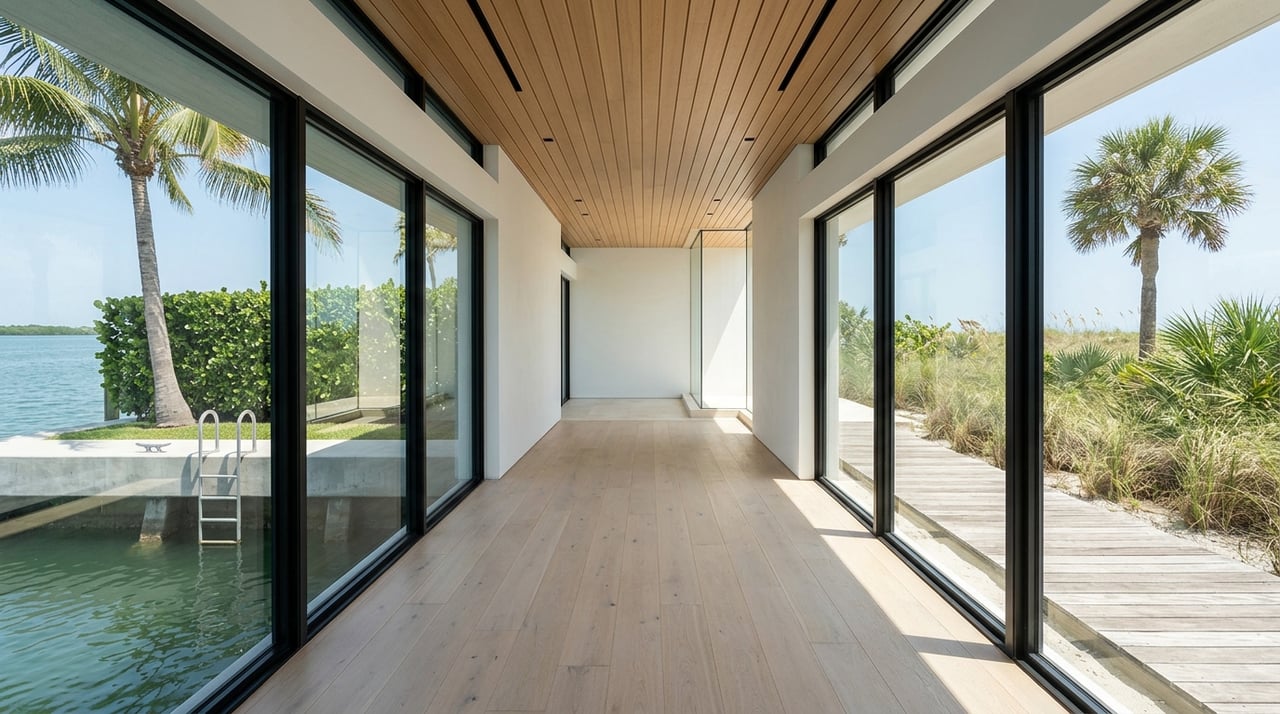
These homes stand out because of their setting, whether oceanfront, near-ocean, or positioned for long water views. In a narrow barrier-island town, that kind of placement can be especially hard to replicate elsewhere.
Condominiums and Boutique Buildings
Even though the nickname brings mansions to mind, much of Hillsboro Beach is actually condo-oriented. Broader market data from Realtor.com’s Hillsboro Beach overview shows a market with substantial condominium inventory.
That matters if you are trying to understand the area clearly. Hillsboro Mile includes trophy-home appeal, but it also includes premium condos and boutique residential buildings that offer a different way to enjoy the same location.
New Luxury Redevelopment
The Mile also continues to evolve. Rosewood Residences Hillsboro Beach is a current example of high-end redevelopment, with official materials describing a project spanning both the Intracoastal and the Atlantic Ocean.
That dual-waterfront concept helps show why this corridor remains so notable. New construction brings more contemporary architecture into a location already known for legacy estates, which keeps the area relevant to today’s luxury buyer.
Millionaires Mile Is a True Micro-Market
One important point for buyers and sellers is that Hillsboro Mile should not be treated like a typical townwide average. According to Realtor.com’s Hillsboro Beach market overview, the townwide median home price was $659,950 in December 2025.
That figure helps show the gap between the broader market and the most prestigious sections of the Mile. In other words, if you are evaluating value on Hillsboro Mile, generic averages for Hillsboro Beach may not tell the full story. This is a location where specific positioning, frontage, building type, and view corridor can make a major difference.
Why Buyers Are Drawn to the Mile
The real estate story here is about more than price. Buyers are often drawn to Hillsboro Mile because it offers a very specific coastal lifestyle.
Beach and Boating Access
As a barrier island, Hillsboro Beach offers direct proximity to the ocean while also connecting closely to the Intracoastal lifestyle. The town’s official overview notes that the south end is anchored by the Hillsboro Inlet and the historic Hillsboro Lighthouse, and that a marina in the inlet supports charter boats and marine excursions.
That combination of beach access and navigational convenience is a major part of the Mile’s appeal. For buyers who value both waterfront views and boating access, the corridor offers a rare blend of the two.
Privacy and Limited Through Activity
Because Hillsboro Beach has no commercial properties beyond one hotel and is overwhelmingly residential, the area tends to feel more private than many coastal addresses. You are not stepping into a dense retail district or entertainment zone. You are stepping into a place shaped primarily by residences, water, and a narrow stretch of land with very limited inventory.
That privacy helps explain why the address has long attracted buyers who value discretion and a quieter ownership experience.
A Recognizable Coastal Address
Luxury real estate often carries a branding element, and Hillsboro Mile is a clear example. The nickname, the waterfront setting, and the town’s long-standing identity all work together to create an address that people recognize.
That recognition can matter in both lifestyle and resale conversations. A property on a named corridor with established prestige often occupies a different place in the market than a comparable home without that location identity.
History Adds to the Appeal
Part of what separates Hillsboro Mile from a generic luxury strip is that it has a local story. The Town of Hillsboro Beach highlights the historic Hillsboro Lighthouse, which went into service in 1907, as well as the Barefoot Mail Man history commemorated near the inlet.
These details give the area more texture. For many buyers, luxury is not only about finishes and frontage. It is also about place, legacy, and the feeling that an address has a meaningful identity.
What Buyers Should Know
For all of its appeal, Hillsboro Mile also comes with practical ownership considerations. Barrier-island living means you should understand coastal conditions, local regulations, and seasonal risks before you buy.
The Town of Hillsboro Beach Resident Guide notes that the town protects sea turtle nesting areas and falls within a mandatory evacuation area during hurricane season. That does not diminish the lifestyle appeal, but it does mean buyers should approach the market with clear expectations about property stewardship and coastal preparedness.
What This Means for Buyers and Sellers
If you are buying on Hillsboro Mile, the key is to look beyond broad averages and understand the exact niche you are entering. A condo, a boutique waterfront building, and a trophy estate may all share the same road, but they can serve very different goals and value profiles.
If you are selling, the Millionaires Mile identity can be a meaningful asset when your home is positioned correctly. Marketing a property here often requires more than basic exposure. It calls for strong local context, polished presentation, and a clear understanding of how the Mile fits into Broward County’s broader luxury landscape.
If you want a more tailored perspective on Hillsboro Mile real estate, Heather Lefka offers boutique guidance for luxury waterfront homes and high-end condominiums across Broward County, with a consultative approach designed for private, high-value transactions.
FAQs
Is Hillsboro Mile a separate city in Broward County?
- No. Hillsboro Mile is the main road through Hillsboro Beach, not a separate municipality, according to the Town of Hillsboro Beach.
Why is Hillsboro Mile called Millionaires Mile in real estate?
- The nickname comes from the corridor’s concentration of mansions, premium waterfront properties, privacy, and limited land supply, and local planning materials explicitly reference the name.
What types of homes are on Hillsboro Mile in 33062?
- The area includes single-family waterfront estates, condominium buildings, boutique condos, and newer luxury redevelopment projects.
Is Hillsboro Mile different from the overall Hillsboro Beach market?
- Yes. The Mile functions as a distinct micro-market, and townwide median pricing does not fully reflect the upper-end values found on its most prestigious waterfront properties.
What should buyers know before buying on Hillsboro Mile?
- Buyers should understand that barrier-island ownership may involve coastal preservation rules, flood and storm planning, and mandatory evacuation requirements during hurricane season.