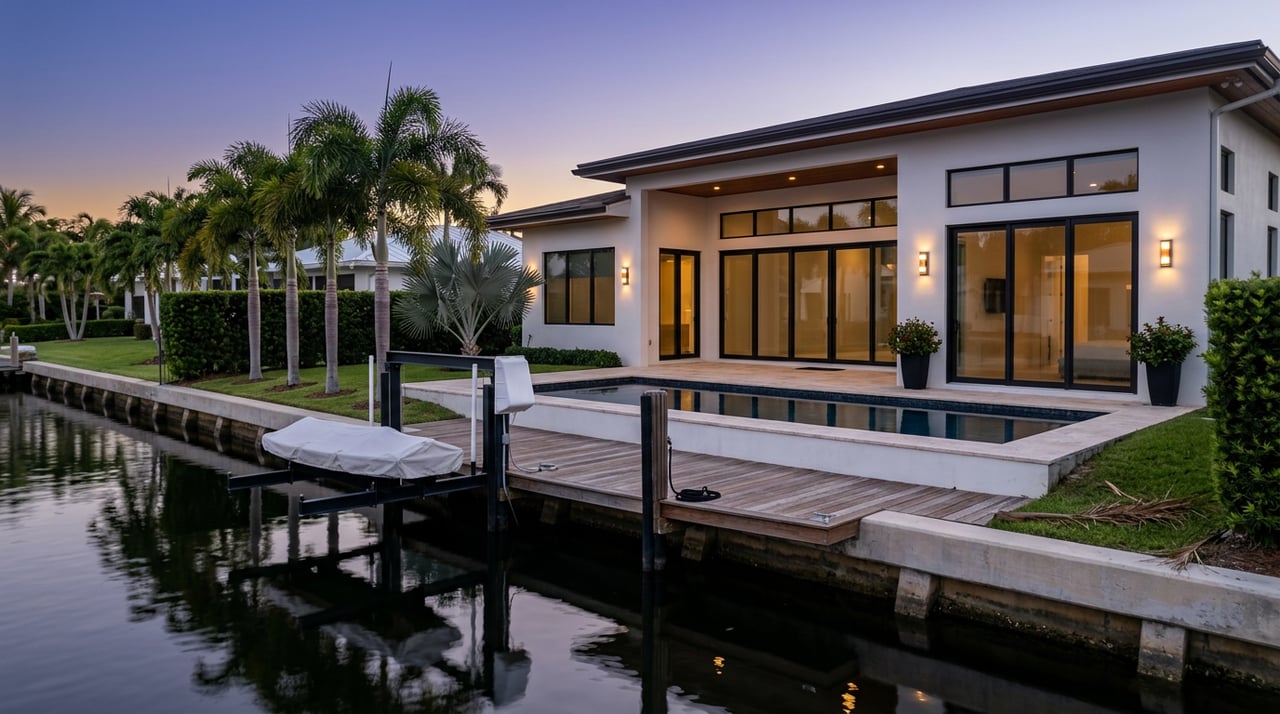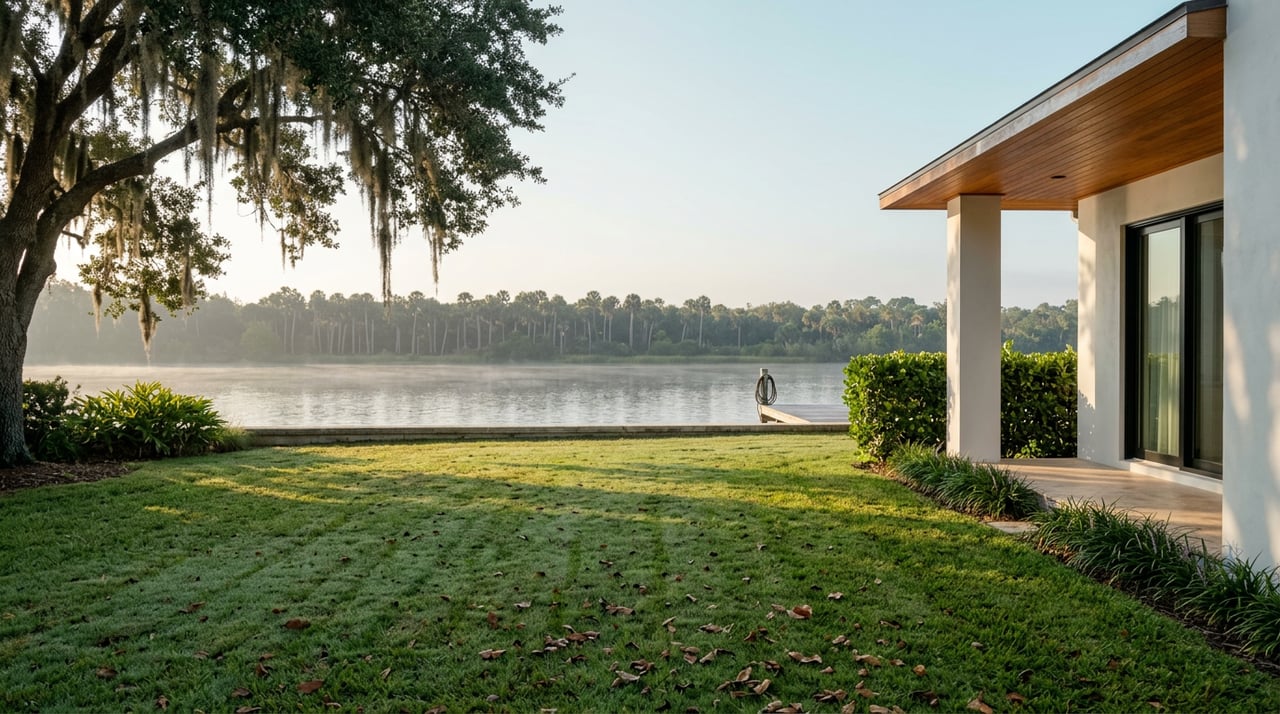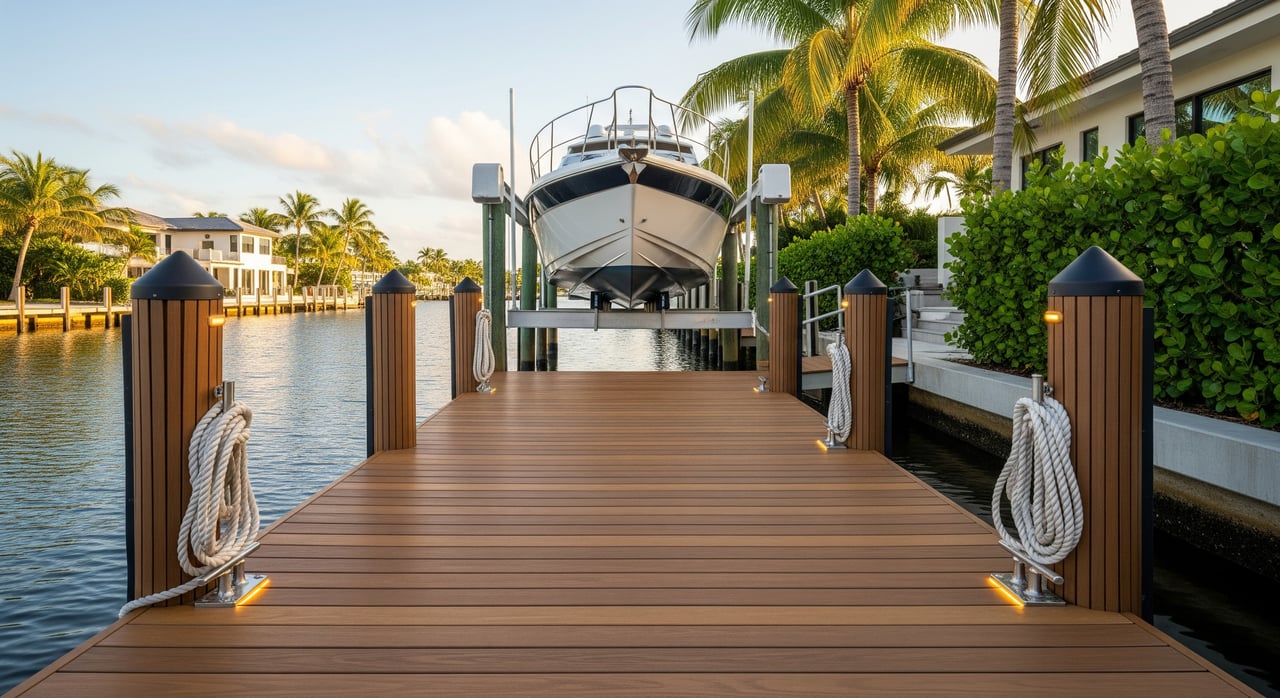
Salt and brackish water make waterfront living beautiful and demanding. If you own in The Landings, you already know your dock and boatlift are more than amenities. They are part of your lifestyle and a focal point when you sell. The good news is that a simple, seasonal plan can protect your investment, keep everything show ready, and help you avoid last minute surprises.
Below you will find a clear maintenance calendar tailored to The Landings’ brackish canals, the most common problems to watch for, storm prep tips, and when to call the right marine professionals. Let’s dive in.
Why The Landings docks need special care
The Landings sits on tidal, brackish waterways where salinity shifts with rain, tides, and canal discharge. Those changes speed up corrosion and marine growth compared to freshwater. You see it as barnacles on pilings, white crust on metal, and stains on decking.
Weather also drives your schedule. The wet and hurricane season typically runs May through November, with peak storms from June through November. You will see more fouling, debris, and storm risk. The dry season is roughly December through April. That is the ideal window for major repairs, recoating metal, and resealing wood.
Regulations matter. Structural work in or over the water can require permits from Broward County, the City of Fort Lauderdale, the Florida Department of Environmental Protection, and the U.S. Army Corps of Engineers. Your HOA or architectural committee may also need to approve plans and contractors. Always verify before you start.
What fails first on docks and lifts
Pilings: wood, concrete, and steel
Wood pilings face marine borers in brackish and salt influenced water. Look for soft spots, tunneling, or unusual flex. Pile wraps or jackets and treated marine timbers help extend service life.
Concrete piles can develop cracks and spalling. Watch for exposed or rusting rebar, which signals chloride intrusion. Early repair with marine grade mortars is key.
Steel piles and brackets are prone to rust and section loss. Protective coatings and cathodic protection with sacrificial anodes help reduce corrosion.
Hardware, fasteners, and decking
Mixing metals can cause galvanic corrosion. Avoid pairing aluminum, stainless, galvanized, and carbon steel without proper isolation. In this environment, marine grade 316 stainless fasteners are the standard for exposed locations.
Wave action and boat contact also loosen fasteners. Walk your dock and tighten hardware. Replace corroded cleats, hinges, and ladders before they become safety hazards.
Decking endures sun, salt, and mildew. Pressure treated lumber, tropical hardwoods, capped composites, and PVC each perform differently. Plan routine cleaning and resealing or recoat schedules based on the material you have installed.
Boatlifts: structure, cables, and controls
Aluminum lift frames resist corrosion but can suffer galvanic attack when in contact with steel or the wrong fasteners. Electrical isolation and sacrificial anodes help. Galvanized steel lifts need coating care and regular inspection.
Cables, straps, winches, bearings, and limit switches wear over time. Creaks, jerks, and uneven lifting are warning signs. Motors and gearboxes should be inspected and serviced on a regular cadence.
Electrical and lighting systems
Marine electrical equipment faces moisture intrusion and corrosion. GFCI protection and proper bonding are critical safety measures. Faulty or non code electrical work is a major safety and insurance concern. Use a marine electrician who understands the National Electrical Code, Florida Building Code, and ABYC recommendations.
Seasonal maintenance calendar for The Landings
Below is a practical schedule for brackish, tidal conditions. Always follow your manufacturer’s instructions and adjust for heavy use.
Weekly and after heavy use
- Do a quick safety walk. Check cleats, bollards, and decking for loose boards or trip hazards.
- Rinse exposed metal and aluminum with fresh water to remove salt and reduce corrosion risk.
Monthly
- Test GFCI outlets. If they trip or show corrosion, call a marine electrician.
- Inspect lift cables or straps for fraying or cracks. Note unusual noises during operation.
- Check visible sacrificial anodes. Rapid loss can point to stray current issues.
Quarterly
- Remove light fouling from pilings and lift components with scraping and low pressure washing. Avoid damaging coatings.
- Lubricate lift moving parts per manufacturer guidance. Inspect motor housings for water intrusion.
- Tighten deck hardware. Replace corroded or discolored fasteners.
Every 6 months
- Inspect connections at and below the waterline. Use a licensed diver or lift service if needed.
- Replace sacrificial anodes as needed. Many setups in aggressive conditions need 6 to 12 month cycles.
- Clean and test dock lighting. Replace bulbs and address flicker or transformer issues.
Annually
- Book a full lift service by a certified technician. Have them check motors, limit switches, gearboxes, and replace worn cables or straps.
- Schedule a marine electrical inspection. Verify bonding, GFCI and breaker protection, and clean terminals.
- Maintain decking and pilings. Reseal wood, recoat metal, repair concrete spalls, and add pile wraps or jackets if needed.
- Refresh dock hardware with marine grade 316 stainless as pieces wear out.
Pre hurricane season prep
Complete this before June.
- Follow the lift and boat manufacturer guidance for storms. Some owners remove boats from lifts for major events. Others lower to reduce windage. Confirm with your manufacturer and insurer.
- Remove canvas, loose gear, and unsecured items. Clear planters and furniture from the dock.
- Test electrical disconnects. Label switches for quick shutoff.
Post storm checks
- Inspect for structural damage, debris strikes, and loosened pilings before use.
- Check electrical for water intrusion or damage. Do not reset tripped breakers until a pro inspects.
- Photograph damage for insurance and HOA records. Call specialists for structural or electrical repairs.
Materials and protection that last in brackish water
- Fasteners and hardware. Choose 316 stainless for exposed fasteners. Avoid mixing dissimilar metals without dielectric isolation.
- Sacrificial anodes and cathodic protection. Use properly sized zinc, aluminum, or magnesium anodes to protect steel and aluminum parts. Rapid anode consumption can signal stray current. Have a marine electrician or cathodic specialist evaluate.
- Pile protection. Use wrap systems, fiberglass jackets, or sacrificial sleeves to guard wood against marine borers and abrasion. Repair concrete spalls promptly with marine grade mortars.
- Coatings. Apply high build epoxy primers with suitable marine topcoats on steel and metal. Follow local rules on antifouling paints and avoid unpermitted in water painting.
- Lift materials. Aluminum frames perform well with isolation and active anode protection. Galvanized lifts need coating maintenance.
Electrical safety and code priorities
- Use GFCI protection on dock receptacles and outlets.
- Ensure proper bonding and grounding of metal components. Have a qualified marine electrician complete and verify the work.
- Install weatherproof, marine rated enclosures and cord connectors.
- Test and document GFCI and breaker performance during annual inspections.
- Follow NEC, Florida Building Code, and ABYC guidance. Work with local pros who know Broward County requirements.
Permits, HOA, and insurance
- Permits. Structural work, pile replacement, and in water activities can require approvals from Broward County, the City of Fort Lauderdale, the Florida Department of Environmental Protection, and the U.S. Army Corps of Engineers. Confirm your HOA or The Landings committee process before starting.
- Environmental rules. Some coatings and in water work have restrictions to protect water quality and marine life.
- Insurance. Keep manufacturer recommended service records for lifts and electrical systems. Document inspections and repairs. Major deficiencies can affect coverage.
Show ready waterfront checklist
Use this before photos, broker previews, and showings.
Safety and aesthetics
- Tighten or replace loose deck boards and railings. Set fasteners flush.
- Clean decking and hardware. Remove algae and slippery surfaces.
- Scrape light fouling on visible pilings and lift parts.
- Confirm dock cleats and ladders are secure and free of heavy corrosion.
Boatlift and mechanical
- Demonstrate smooth lift operation if a boat is present. No squeals or jerks.
- Replace visibly worn cables, straps, rollers, and bushings.
Electrical and lighting
- Test all dock lights and receptacles. Replace bulbs and fix flicker.
- Verify labeled, functional GFCIs. Tidy cords and replace any frayed wiring.
Documentation for buyers
- Provide recent inspection and service reports.
- Share permits and HOA approvals for recent work.
- List the lift manufacturer, model, last service date, and any transferable parts or warranty info.
Hiring the right marine pros
For best results, bring in the right specialists.
Who to call
- Marine contractor or dock builder for structural work
- Certified lift technician for service and parts
- Marine electrician for code compliant power and lighting
- Licensed diver for underwater inspections
- Structural engineer for major repairs or replacements
Smart questions to ask
- Are you licensed and insured in Broward County for marine work?
- What experience do you have with brackish and intracoastal conditions in Fort Lauderdale?
- Are you manufacturer authorized for this lift brand and parts?
- Do you size and inspect sacrificial anodes and cathodic systems?
- Will you handle permits and inspections, and what is included in the scope?
Keep records
- Save inspection reports, dated photos, service receipts, and anode logs. They help with insurance and give buyers confidence.
Make maintenance part of your market strategy
A clean, quiet, and fully functional dock and lift signal that a property has been cared for. In The Landings, where boating and water access are central to lifestyle, that impression can influence buyer confidence and offer strength. Build a simple routine, document it, and schedule larger projects in the dry season so your waterfront looks its best when you decide to list.
If you are preparing to sell or buy in The Landings and want guidance on timing, presentation, and vendor coordination, schedule a private consultation with Unknown Company.
FAQs
How often should you change sacrificial anodes in The Landings?
- Inspect anodes every 6 to 12 months. Replace as needed. Rapid consumption can indicate stray current and should be evaluated by a marine electrician.
Can you pressure wash pilings and lift parts yourself in Broward County?
- Light cleaning and low pressure washing are fine. Avoid aggressive pressure on damaged wood or coated metal. Submerged or heavy fouling often requires professionals and may be regulated.
Should you remove your boat from the lift before a hurricane in Fort Lauderdale?
- Follow your lift and boat manufacturer and your insurer. Many owners remove boats for major storms when feasible. Confirm the preferred procedure for your system.
What dock materials reduce maintenance for show ready listings?
- Capped composites or tropical hardwoods with routine care, plus 316 stainless hardware and marine rated lighting, help minimize visible wear and corrosion.
Who handles permits for dock or piling work in The Landings?
- Confirm requirements with Broward County, the City of Fort Lauderdale, state and federal agencies, and your HOA. Many marine contractors include permitting in their scope.
What documentation should you keep for insurance and buyers?
- Maintain service logs, inspection reports, dated photos, anode replacement notes, and copies of permits and HOA approvals. These support coverage and strengthen buyer confidence.