Shopping for a Harbor Beach waterfront home and picturing your yacht at the dock? The phrase no fixed bridges is powerful, but it can be misunderstood. You want easy ocean access without surprises. In this guide, you’ll learn what no fixed bridges really means in Harbor Beach, how to verify a route from your dock to open water, and when to bring in marine professionals. Let’s dive in.
What “no fixed bridges” means
No fixed bridges means your route from the property to the Atlantic has no non‑movable bridges that limit vertical clearance. In other words, there is no hard height restriction blocking taller vessels. You might still encounter movable bridges that open on a schedule. You also need to account for depth, channel width, turning room, overhead lines, and inlet conditions.
Key vessel terms you should know:
- Air draft: the height from the waterline to the tallest point of your vessel.
- Draft: the underwater depth of your vessel at rest.
- LOA and beam: overall length and width, which affect slip fit and turning room.
Why it matters in Harbor Beach
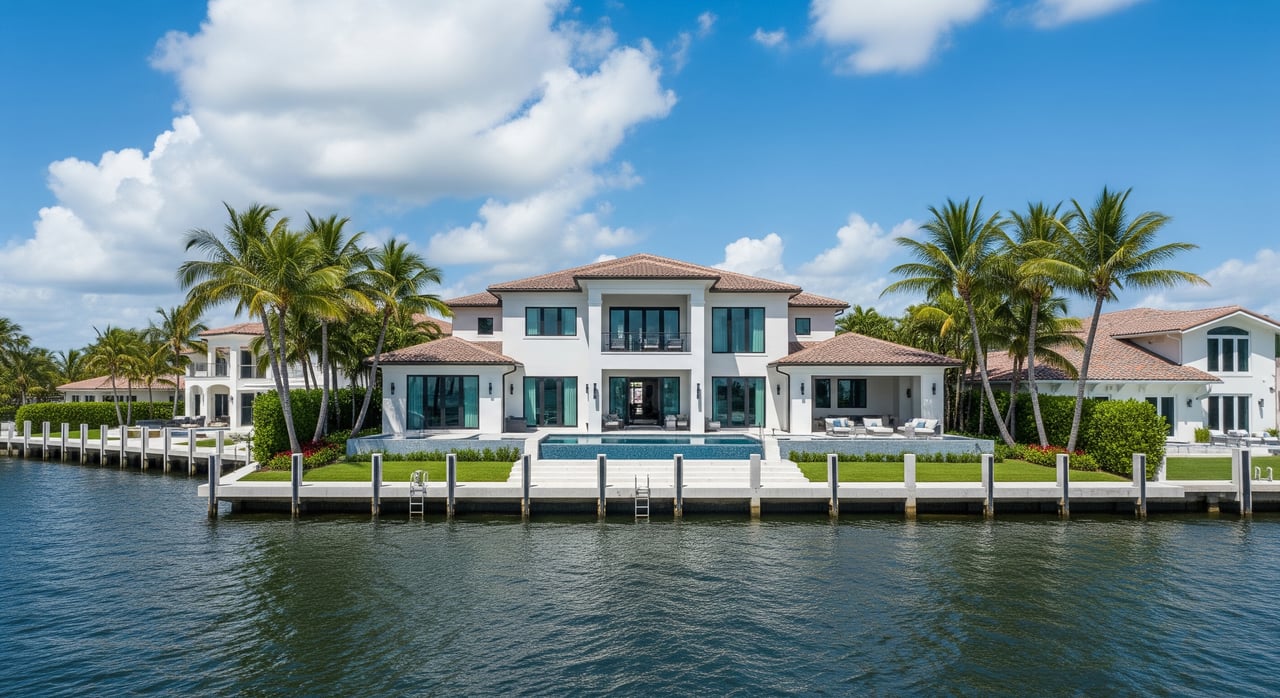
Harbor Beach offers deepwater canals and direct ocean‑side homes near Port Everglades. Many listings tout ocean access or no fixed bridges. That is a great start, but it is only one part of the picture. You still need to confirm depths, maneuvering space, and inlet conditions for your specific yacht.
Yacht size and type
If you run a sportfish with a tall flybridge, a large express cruiser, or a sailing yacht, no fixed bridges helps you avoid vertical clearance limits. Still, you must verify:
- Depth along your route so your draft clears at typical low tides.
- Turning basins and canal width for your LOA and beam.
- Dock capacity at mean low water to support your vessel’s draft and mooring loads.
The bottom line: no fixed bridges is necessary but not sufficient for safe, comfortable ocean access.
Route planning and inlets
Most Harbor Beach vessels use Port Everglades or nearby inlets to reach the Atlantic. Federal channels are dredged on set schedules, and conditions can shift with weather and season. Offshore swell, currents, and shoaling can affect safe transit windows, especially for larger yachts.
How to verify ocean access
The smartest approach is to verify both the absence of fixed bridges and the practicality of the full route. Use authoritative sources and local experts.
1) Confirm bridge status and clearances
- Review NOAA nautical charts for any crossings along your intended route and the posted vertical clearances.
- If there are movable bridges, check U.S. Coast Guard drawbridge regulations for opening schedules and any restrictions.
2) Check channel depths and tides
- Use NOAA charts for soundings and NOAA tide predictions to see depth at your planned transit times.
- Contact Port Everglades and the U.S. Army Corps of Engineers for maintained channel depths, recent surveys, and dredging schedules.
- Look for recent shoaling updates before relying on older listing data.
3) Review inlet conditions
- Identify the inlet you will use and confirm typical depth, current, and wave patterns.
- Check U.S. Coast Guard Local Notices to Mariners for temporary restrictions, aids to navigation changes, or shoaling advisories.
4) Inspect dock and marina specifics
- Verify slip length, beam, and depth at mean low water at the property’s dock.
- Assess piling configuration, turning radius to enter the slip, and fendering solutions.
- If part of a marina or HOA, confirm any vessel size limits or access rules.
5) Permits and rules
- Private dredging, seawall work, or slip modifications usually require permits through agencies such as the Florida Department of Environmental Protection, Broward County, and the U.S. Army Corps of Engineers.
- Review the property’s permitting history and any HOA or municipal restrictions that could affect vessel operations.
6) Insurance and operational planning
- Some insurers expect a safety margin for under‑keel clearance and may limit claims if you routinely transit shallow or unmaintained waters.
- Have a hurricane plan, including how and when a larger yacht would depart given tides, bridge schedules, and inlet conditions.
When to bring in marine professionals
Involve local experts early to avoid costly surprises and to protect your timeline.
Before you make an offer
- Local captain or experienced yacht broker: evaluate the route, advise on tidal windows, and confirm maneuverability for your vessel.
- Marine surveyor: optional pre‑offer consultation to review air draft, draft, and a preliminary look at dock and piling condition.
After you are under contract
- Licensed marine surveyor: perform a dock and seawall inspection and verify actual depth measurements at the slip and along the adjacent channel.
- Bathymetric sounding: a professional depth survey can confirm true depths, especially if listing data is dated.
- Port authority contact: verify current channel depths and any temporary restrictions.
For special scenarios
- Naval architect or yacht engineer: needed for tall rigs, mast‑lowering systems, or structural dock upgrades.
- Maritime attorney or permitting consultant: essential if you plan dredging or significant dock or seawall modifications.
Qualifications to look for include SAMS or NAMS accreditation for marine surveyors and U.S. Coast Guard‑credentialed captains with local experience.
Smart buyer checklist
- Pull current NOAA charts for Harbor Beach and your route to the ocean.
- Confirm there are no fixed bridges and note any movable bridge schedules.
- Verify maintained channel depths with Port Everglades and U.S. Army Corps of Engineers.
- Check NOAA tides to calculate under‑keel clearance at mean low water.
- Commission a professional depth sounding at the dock if depths are near your limit.
- Arrange a trial run with a local captain when practical.
- Include marine survey and dock inspection contingencies in your offer.
- Review permitting history and HOA or marina rules that affect vessel size or operations.
Work with a Harbor Beach specialist
You deserve a home that fits your lifestyle and your yacht. If you want discretion, local intelligence, and a smooth, concierge‑level process, connect with a trusted Harbor Beach advisor. For aligned listings, depth‑savvy guidance, and referrals to top marine professionals, reach out to Heather Lefka. Schedule a private consultation.
FAQs
Does “no fixed bridges” guarantee ocean access from a Harbor Beach home?
- No. It removes height limits but you still must verify depth, turning room, inlet conditions, and any movable bridge schedules.
How can I tell if my yacht will fit a Harbor Beach canal and dock?
- Compare your air draft, draft, LOA, and beam to route clearances, depth at mean low water at the dock, and canal width and turning basins.
Are movable bridges an issue for larger yachts in Fort Lauderdale?
- Movable bridges generally open on schedules set by the U.S. Coast Guard, which can create delays but usually allow passage for taller vessels.
How much safety margin should I keep for bridge and keel clearance?
- Many operators target at least 1 to 2 feet of air‑draft margin and maintain comfortable under‑keel clearance above static draft to account for squat and tide.
Who maintains Harbor Beach channel depths and who should I contact?
- The U.S. Army Corps of Engineers maintains federal channels in coordination with Port Everglades; private canals and slips are typically owner or HOA responsibilities and may require permits for maintenance.
What official resources help me verify conditions before buying?
- Use NOAA charts and tide data, U.S. Coast Guard Local Notices to Mariners and drawbridge rules, Port Everglades updates, and U.S. Army Corps of Engineers surveys, plus local surveyors and captains.