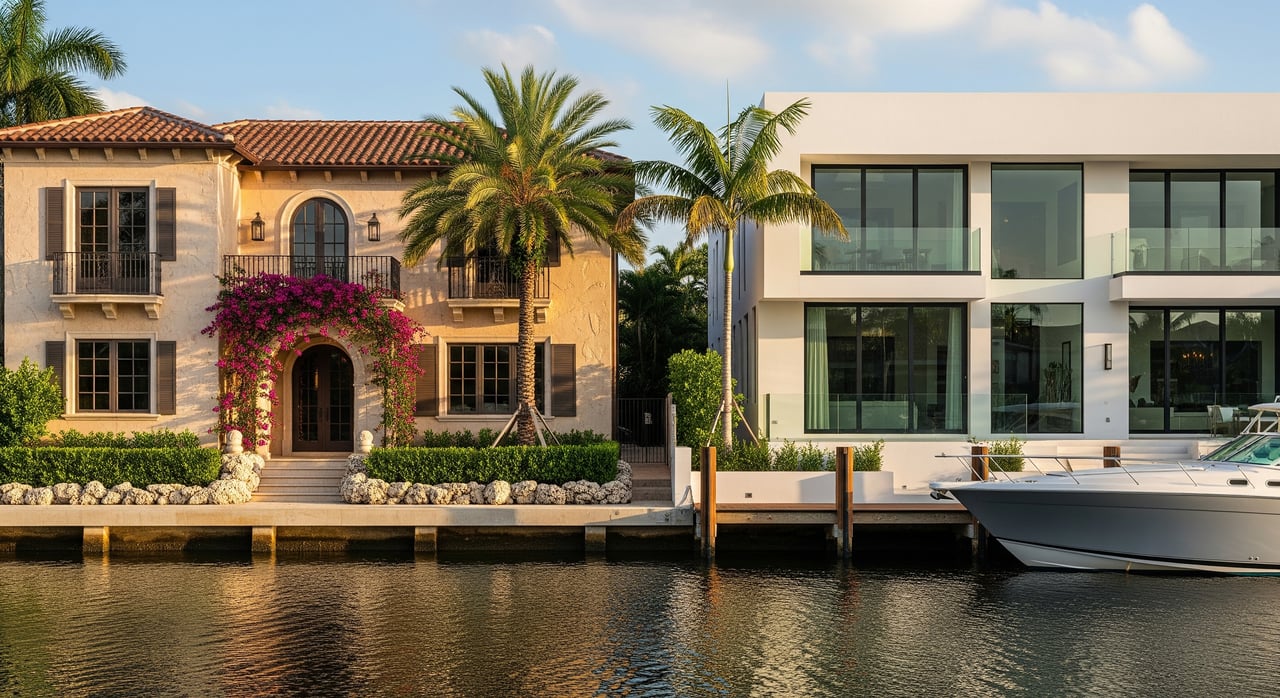
Torn between a classic Rio Vista charmer and a sleek modern build? You are not alone. In this coveted Fort Lauderdale neighborhood, you will find tree-lined streets, classic architecture, and a steady wave of new construction. This guide walks you through the real-world tradeoffs so you can buy or sell with clarity, confidence, and a plan. Let’s dive in.
Rio Vista snapshot
Rio Vista sits near the New River, downtown Fort Lauderdale, and Las Olas Boulevard. You will see mature canopy streets, established single-family lots, and a mix of 1920s–1950s homes alongside larger contemporary builds. Recent infill means some properties are preserved or renovated, while others are teardown sites for modern, multi-story homes. That blend shapes pricing, buyer expectations, and the path you choose.
Historic home basics
Architecture and lots
Older Rio Vista homes often feature bungalow or early Florida styles, single-story or modest two-story footprints, and mature landscaping. Lots are consistent with early urban patterns, so space can be tighter than suburban parcels. That scale contributes to the neighborhood’s character and walkable feel. It also sets practical limits on expansions and parking.
Renovation realities
Upgrades are common. You may need roof, electrical, plumbing, HVAC, and window improvements, plus any layout rework for today’s open-plan preferences. Setbacks, lot coverage, and existing layouts can cap how much you can add. Creative design solves a lot, but early feasibility checks are essential before you commit.
Insurance and operating costs
Age and condition matter. Properties with older roofs or non-impact openings can face higher wind insurance premiums. If a home sits in a mapped flood zone, finished-floor elevation and mitigation steps influence flood insurance costs. Historic renovations that include impact windows, roof straps, and other upgrades can reduce premiums and day-to-day energy use.
Historic home pros and cons
- Pros: distinctive character, mature landscaping, established neighborhood setting, potential lower price per square foot than luxury new builds.
- Cons: possible preservation review for exterior changes, higher maintenance, less energy efficiency if systems are dated, and longer timelines for major work.
Modern new build basics
Design and code advantages
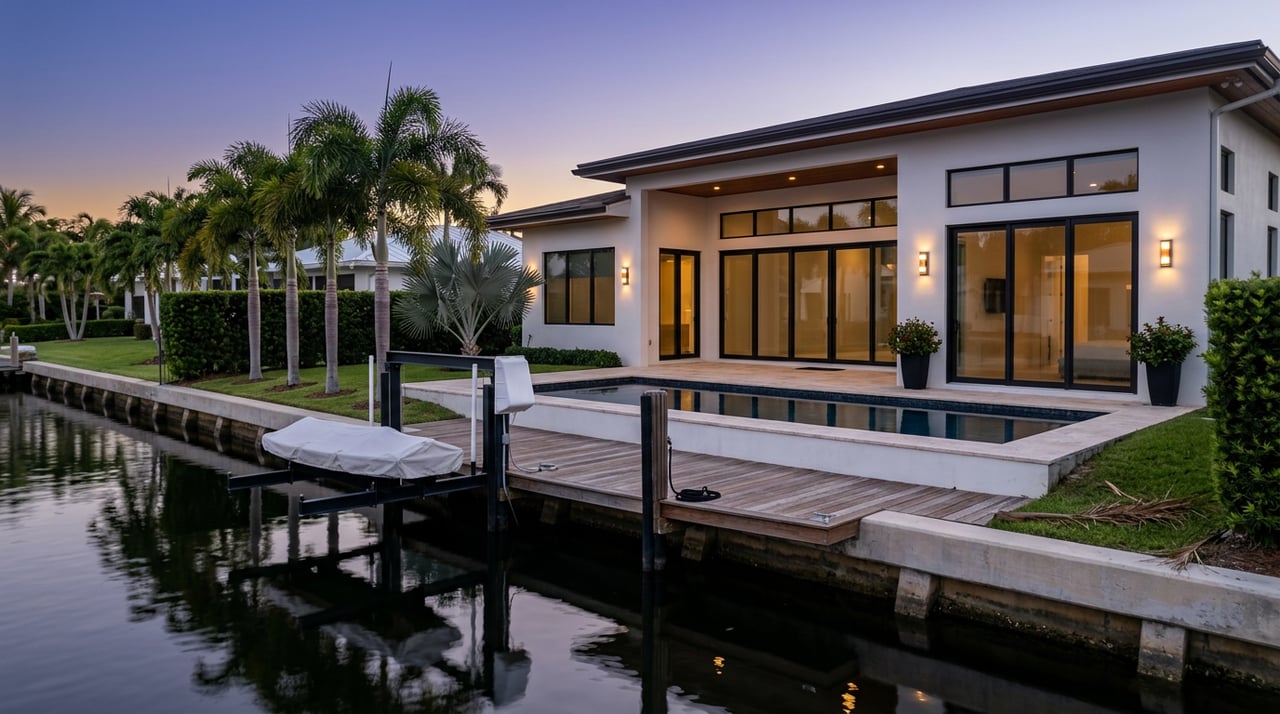
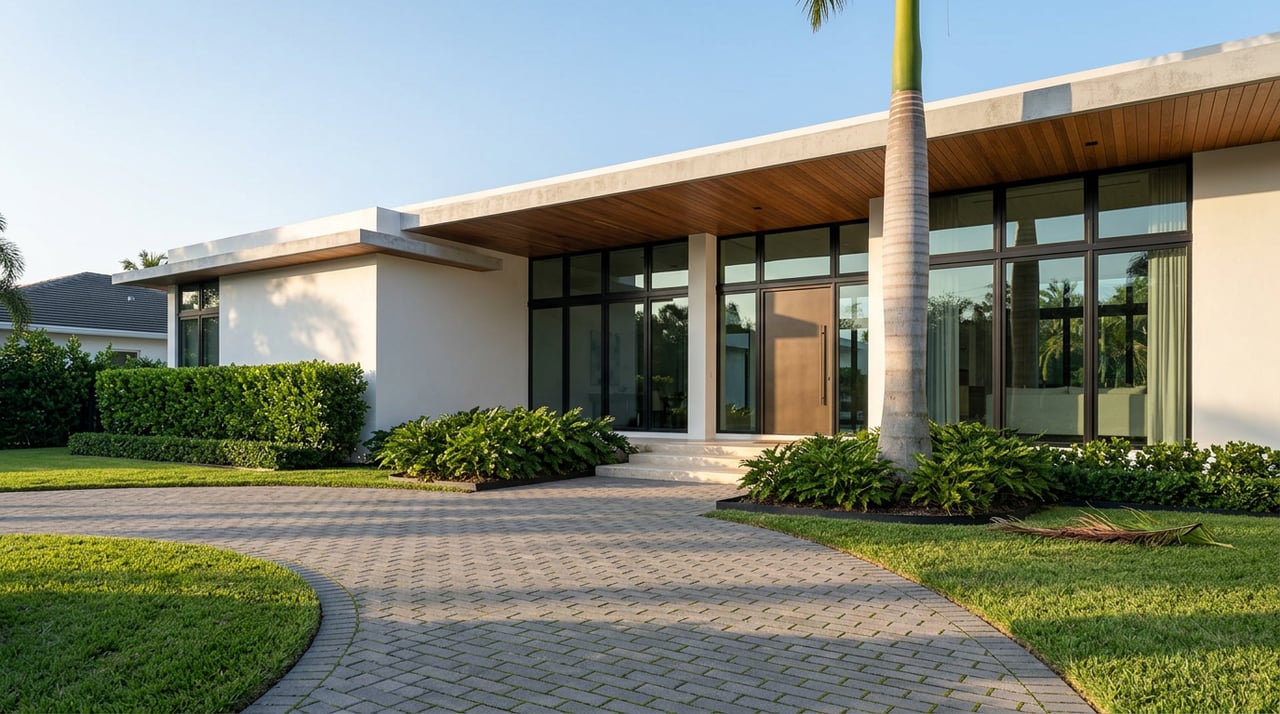
New homes typically deliver open layouts, large kitchens, indoor-outdoor spaces, and energy-efficient systems. Construction follows current Florida Building Code for wind resistance and opening protection. Many builds elevate finished floors to address flood requirements, which can aid insurability and long-term resilience.
Build feasibility and permits
Teardowns introduce design, permitting, and construction steps. Even with a rebuild, zoning, setbacks, lot coverage, and parking rules apply. Vertical expansion is common to gain square footage on smaller parcels. Expect a full project timeline from design through construction that can run several months to well over a year depending on complexity and permit queues.
Insurance and operating costs
Modern builds usually carry lower near-term maintenance costs and can be easier to insure when they meet current code standards. Impact protection, roof systems, and elevation often translate to better wind and flood outcomes and lower operating expenses. Always confirm with quotes early in the process.
New build pros and cons
- Pros: turnkey living, contemporary amenities, energy efficiency, and hurricane-ready features that can support insurability.
- Cons: higher upfront cost, longer timelines due to design and permitting, and potential community concerns about scale or fit.
Flood, elevation, resilience
Rio Vista’s proximity to the New River makes flood mapping and elevation planning important. Review the property’s flood zone, check Base Flood Elevation, and confirm any available elevation certificate. New builds and substantial renovations may need higher finished-floor elevations to comply with code, which affects foundation design, grading, and costs. Early checks help you right-size design, mitigation, and insurance expectations.
Rules and permitting
Historic status checks
Before planning exterior changes or demolition, verify if a property has any local historic designation or review requirements. The City of Fort Lauderdale’s Historic Preservation Board and Planning and Zoning teams can confirm status and outline approvals that may apply.
Zoning, setbacks, and trees
Rio Vista follows municipal zoning that governs use, setbacks, lot coverage, and parking. The city also regulates significant tree removals. Mature canopy defines the neighborhood’s feel, so tree permitting can influence site plans, driveway placement, and even construction staging.
Typical timelines
A renovation or new build usually includes due diligence, design and architecture, permit submittals, and construction. Allow time for review cycles, especially if historic oversight is involved. Construction timelines vary by scope, but full teardowns and new single-family homes commonly span many months once permits are issued.
Market dynamics and comps
Appraisals on mixed streets
Rio Vista blocks can feature both original homes and high-end rebuilds. Appraisers rely on recent closed sales for similar size and condition, so selecting the right comps is critical. A newly built home can move per-square-foot pricing higher on that block, while a cluster of well-preserved originals can hold strong value for buyers who prioritize character.
Buyer demand profiles
- Character-focused buyers value architecture, mature landscaping, and neighborhood scale near downtown and the river.
- Modern-focused buyers prioritize space, open plans, energy efficiency, impact protection, and turnkey quality. Many will pay a premium for new construction that checks these boxes.
Strategy for sellers
If you own an older home, compare the potential of a thoughtful renovation with a teardown-and-rebuild path. Factor buyer pools, likely resale values, and holding periods against design, permitting, and carrying costs. Evidence from recent sales on your street will clarify where the market is leaning and how to position your property.
Financing options
- Conventional, FHA, and VA loans can work for both older and new homes, subject to appraisal and condition.
- Renovation loans: FHA 203(k) and Fannie Mae HomeStyle can bundle purchase and improvements for eligible projects.
- Construction-to-permanent loans are common for teardowns and new builds. These loans fund in stages and convert to a long-term mortgage at completion.
- Home equity or personal lines can support targeted renovations, depending on your profile and risk tolerance.
Buyer due diligence checklist
- Verify any historic designation or review requirements with the city.
- Order a detailed home inspection, plus termite and moisture checks for older construction.
- Confirm flood zone, Base Flood Elevation, and any elevation certificate.
- Obtain early insurance quotes for wind and flood.
- Review roof age, window and door protection, and electrical and plumbing systems.
- Ask for permits and documentation on prior renovations.
- Validate zoning, setbacks, lot coverage, and tree requirements for planned changes.
- Align your lender and loan product to your scope: renovation or construction-to-perm.
Decision guide
- Choose a historic home if you value unique architecture, mature landscaping, and an established neighborhood rhythm. Be ready to invest in systems and design updates.
- Choose a modern new build if you want turnkey convenience, energy efficiency, and code-forward resilience. Prepare for higher upfront costs and a longer planning timeline.
- If you are undecided, analyze recent comps by property type on your target street, model insurance scenarios, and price your all-in cost of ownership over 5 to 10 years.
How we help
You deserve tailored guidance for a decision this important. As a boutique, Fort Lauderdale-focused luxury practice, we combine neighborhood-level knowledge of Rio Vista with concierge coordination across lenders, architects, contractors, and insurers. We help you:
- Pinpoint the right lots and homes, including discreet off-market options.
- Model renovation vs rebuild outcomes with real comps and timelines.
- Navigate zoning, historic review, flood elevation, and insurance early.
- Market listings with elevated storytelling, video, and targeted distribution to reach qualified buyers quickly.
Ready to explore your path with a plan built for you? Connect with Heather Lefka to discuss your goals and next steps.
FAQs
How do I verify historic restrictions in Rio Vista?
- Contact Fort Lauderdale’s Historic Preservation Board and Planning and Zoning to confirm any designation, demolition review, or exterior change requirements tied to the property.
What should I check about flood risk before buying in Rio Vista?
- Review the property’s flood zone, confirm Base Flood Elevation, and obtain an elevation certificate if available, then price insurance and design implications early.
Do new builds in Rio Vista need higher finished-floor elevations?
- Many projects incorporate elevated finished floors to comply with flood requirements, which affects foundation design, grading, and cost planning.
Will a modern rebuild raise values on my Rio Vista block?
- High-end new builds can influence nearby comps, but results vary; rely on recent teardown and renovated-home sales on the same or adjacent streets for evidence.
Can I finance a teardown and new build in Rio Vista?
- Yes, construction-to-permanent loans are common for rebuilds, while FHA 203(k) and HomeStyle can support eligible renovations; confirm terms with an experienced lender.
How do insurance costs compare for older vs new Rio Vista homes?
- Premiums depend on roof age, impact protection, elevation, and mitigation; obtain quotes early, as modernized systems can reduce wind and flood insurance costs.