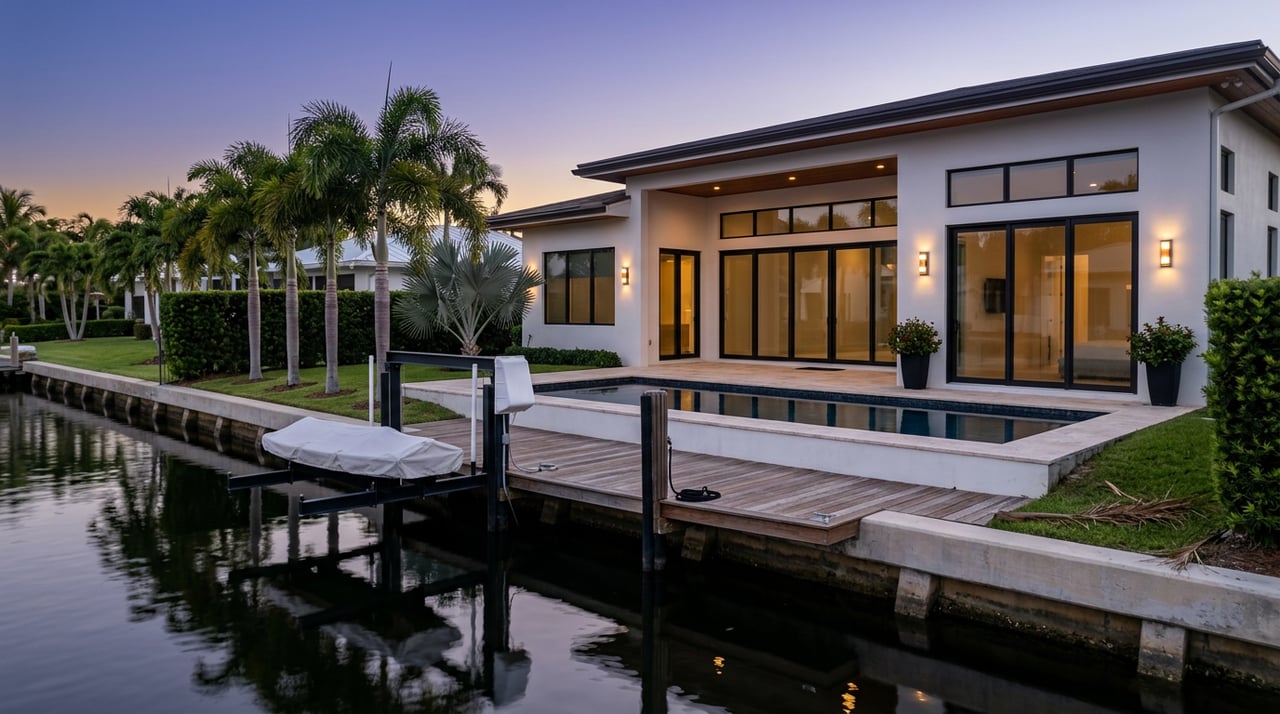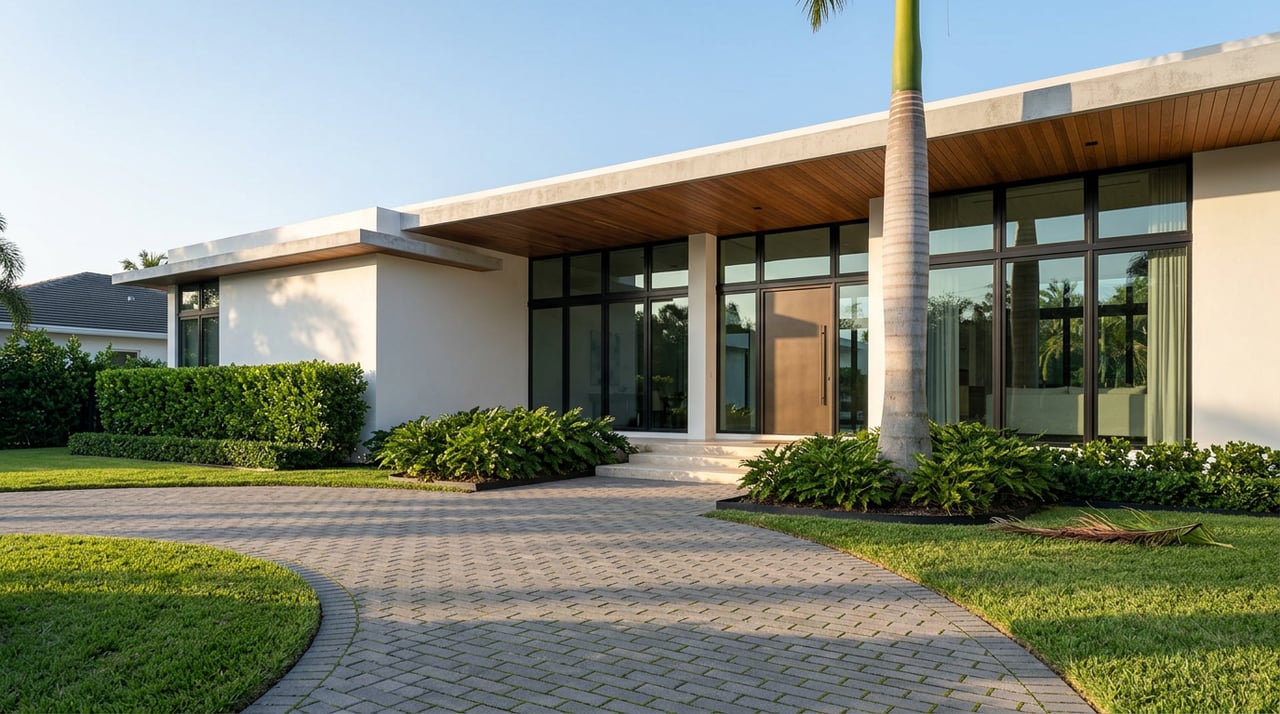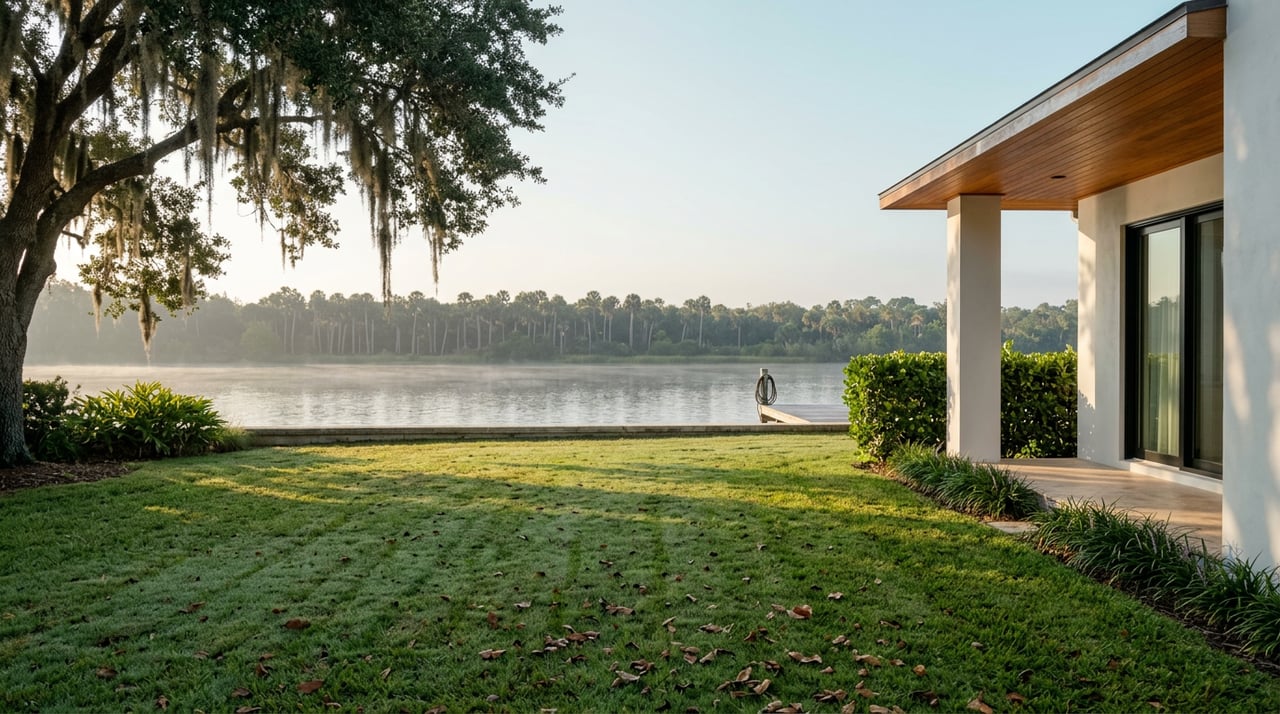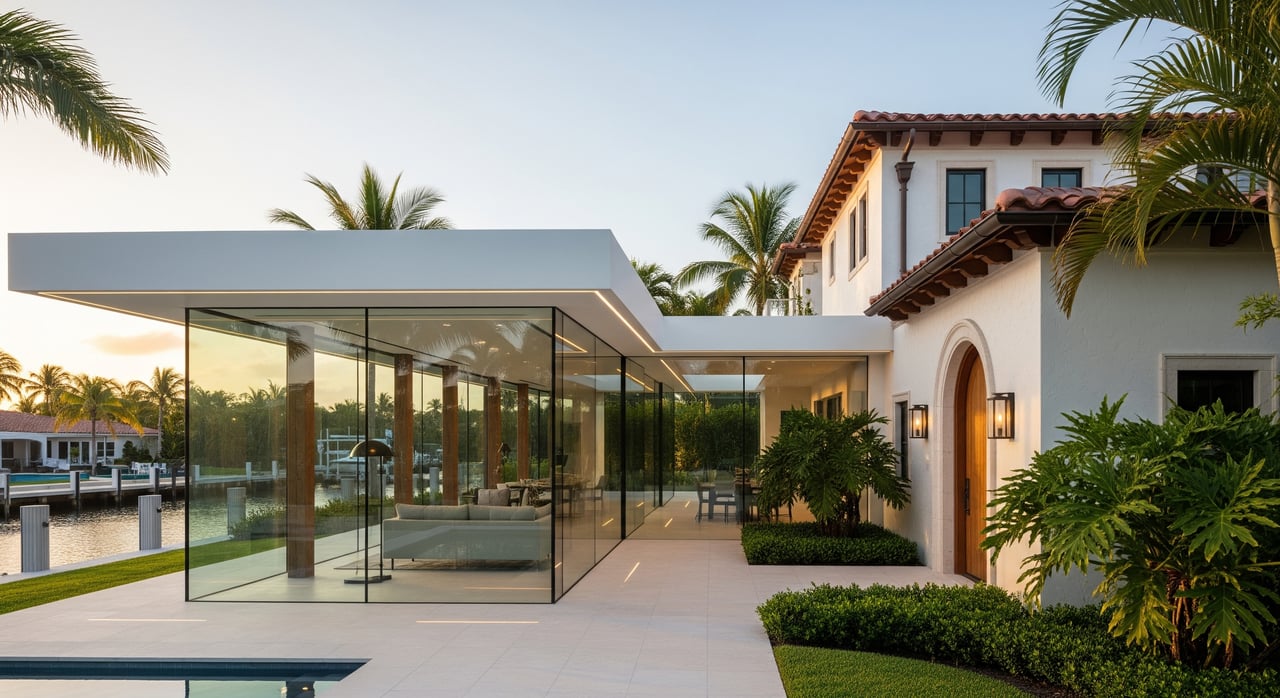
Should you buy new construction or a beautifully renovated home in The Enclave of 33308? It is a big decision, and in this coastal Broward pocket, flood and wind risks make the choice even more nuanced. You want the right home at the right price, without surprises after you close. In this guide, you will learn how new builds and renovations stack up in 33308, what to verify locally, and how to protect your interests from offer to closing. Let’s dive in.
New build vs. renovated: what matters in 33308
Cost and value
Budget is more than the list price. With a new build, you are paying for land, construction, builder profit, and upgrades. With a renovated property, you weigh the purchase price plus remaining life on major systems and any immediate fixes. In Broward, insurance costs and potential tax reassessment after major work should be part of your total cost view, which you can research through the Broward County Property Appraiser.
A high quality renovation with documented permits and updated systems can appraise close to new construction when the lot and design are desirable. Poor quality or unpermitted work reduces value and can complicate financing and insurance.
Timeline and customization
If you need move in ready, a completed renovation or finished new build will likely win on timing. New builds may involve longer lead times, selection cycles, and inspections before the Certificate of Occupancy. Renovated homes can offer faster occupancy, but only if the work was permitted and finalized.
Systems and long term upkeep
South Florida’s climate tests roofs, windows, HVAC, and exterior finishes. New construction built to current code usually gives you newer systems and longer timelines before major replacements. Renovated homes vary. Some sellers update kitchens and baths but not roofs or mechanicals. Always confirm the age and documentation for roof, HVAC, electrical, plumbing, and openings.
Insurance and hazard exposure
Insurance is a central factor in 33308. New builds often include impact rated openings and modern wind mitigation features that may reduce premiums. Flood risk, however, depends on the parcel’s elevation and FEMA flood zone, not just the home’s age. Verify the flood zone and Base Flood Elevation for the specific address using the FEMA Flood Map Service Center, then obtain quotes from an experienced broker. For broader guidance on Florida’s evolving market, review the Florida Office of Insurance Regulation and Citizens Property Insurance resources.
Local factors that change the math
Flood zones and elevation
In The Enclave and nearby 33308 neighborhoods, parcel elevation and zoning affect both mortgage and insurance requirements. If a property lies in a Special Flood Hazard Area, your lender will likely require flood insurance and an elevation certificate. Check the address on the FEMA Flood Map Service Center, then confirm whether an elevation certificate exists or must be obtained during due diligence.
Building codes and wind standards
Florida’s building code sets strict wind load and impact requirements for coastal homes. New builds must meet current standards, which can improve resilience and potential insurance credits for wind mitigation. Review code context and updates at the Florida Building Commission, and verify that any renovated home has impact rated windows or compliant shutters with documentation.
Permits and renovation quality
Do not rely on listing language alone. Pull permit history through Broward’s building portals and request final inspections or Certificates of Completion for claimed upgrades. Start with the county’s building and permitting resources. Unpermitted work is a red flag because it can affect insurability, financing, safety, and resale.
Financing your path
New construction lending
Many buyers use a construction to permanent loan or a builder’s preferred financing. Expect draw schedules, lender inspections, and defined deadlines for selections. Verify timing for utilities, landscaping, and the Certificate of Occupancy before closing.
Purchase plus renovation programs
If you prefer a home that needs work, programs that wrap purchase and renovation into one loan can help. FHA’s program is outlined on the HUD 203(k) page. Conventional borrowers can review the Fannie Mae HomeStyle option through Fannie Mae Single Family. Each program has eligibility rules, scope limits, and appraisal requirements, so build extra time into your contract.
Due diligence checklists for 33308 buyers
Pre offer and inspection essentials
- Verify the property’s FEMA flood zone and BFE on the FEMA Flood Map Service Center.
- Pull Broward permit history and require final signoffs through the county’s permitting pages.
- Confirm roof age and any transferable roof warranty.
- Review HVAC age, tonnage, and duct condition suited to humid climates.
- Order a licensed termite or wood destroying organism inspection.
- Consider a mold or moisture evaluation if there are signs of past intrusion.
- Obtain or request an elevation certificate if the home is in a Special Flood Hazard Area.
- Verify impact rated windows, doors, or shutter systems and collect documentation for wind credits.
Contract protections that matter
- Inspection contingency that covers structural, roof, HVAC, plumbing, electrical, termite, and moisture.
- Permits and title contingency requiring seller documentation of permits, final inspections, and any Certificates of Occupancy.
- Financing contingency with timing that fits construction to permanent or renovation program approvals.
- Appraisal contingency, especially for renovated homes, with a package of permits and cost documentation for the appraiser.
- Holdbacks and punch list procedures for new construction tied to final inspections and CO issuance.
New builds: extra verifications
- Review the builder’s warranty and any third party structural warranty for coverage periods, exclusions, and transferability.
- Nail down finish allowances, selection deadlines, change order rules, and pricing in writing.
- Confirm responsibility for landscaping, utilities, and code items at closing, and set realistic milestones.
Renovated homes: extra verifications
- Obtain copies of permits, final inspections, contractor warranties, lien waivers, and receipts for major systems.
- If unpermitted work is discovered, negotiate seller remediation before closing or a price reduction to cover permitting and repairs.
- If structural walls were altered, consider a structural engineer review.
Vetting your team
- Confirm contractor and specialty licenses through Florida’s official system at the Department of Business and Professional Regulation.
- Confirm property details, exemptions, and possible reassessment triggers on the Broward County Property Appraiser site.
- For insurance options and wind mitigation credits, review market updates from the Florida Office of Insurance Regulation and Citizens Property Insurance.
Insurance, taxes, and total ownership cost
Insurance and taxes influence your monthly cost of ownership. New builds often score better on wind mitigation, which can support premium savings, but location and elevation drive flood premiums. Renovated properties can achieve favorable rates if they include documented impact openings and newer roofs. For insurance guidance in Florida, consult the Florida Office of Insurance Regulation and the resources at Citizens Property Insurance if private coverage is not available.
Major renovations or rebuilds can trigger reassessment of taxable value. Review parcel history and county guidelines through the Broward County Property Appraiser so you understand potential changes after you close.
Resale and value drivers in 33308
Future buyers and appraisers value structural integrity, compliant systems, and documentation. Newer roofs, impact rated openings, and comprehensive permits are meaningful to end buyers and lenders. For renovation planning, national trends in project returns provide useful context. You can explore typical ROI ranges by project through the latest Cost vs. Value report, then adjust your expectations to Broward’s coastal demand and finishes.
For new construction, over customizing can narrow your resale pool, while high quality, timeless finishes tend to broaden appeal. For renovated homes, complete system updates and proof of proper permitting help your value track closer to new build comps.
How to decide what fits you
Use a simple scorecard across these categories. Give each a 1 to 5 based on your priorities, then compare.
- Insurance and hazard profile you are comfortable carrying
- Timeline to move in and tolerance for construction management
- Desire for customization versus a finished, curated look
- Systems age and warranty coverage you want
- Total cost, including potential tax changes and insurance
- Resale horizon and likely buyer preferences on your street
If you value time and predictability, a new build with warranted systems may be the best fit. If you want a premium lot or a specific architectural feel, a high quality renovation with clean permits can be the better value.
Work with a local advocate
Buying in The Enclave and greater 33308 rewards precise local due diligence. That means parcel level flood checks, permit verification, insurance modeling, and smart contract protections that fit your financing. If you want a discreet, concierge experience from search through closing, schedule a private consultation with Heather Lefka. We will align your lifestyle goals with a strategy that protects your time and your investment.
FAQs
Will a new build lower insurance costs in 33308?
- Often yes for wind coverage because new builds meet current code and may qualify for wind mitigation credits, but flood premiums depend on the property’s elevation and FEMA flood zone, so compare quotes using resources from the Florida Office of Insurance Regulation and Citizens Property Insurance.
How do I verify renovation permits in Broward?
- Pull the property’s permit history and final inspections through the county’s building and permitting pages, and ask the seller for copies of permits, completion certificates, and contractor warranties.
What loan lets me buy and renovate in one step?
- FHA 203(k) and Fannie Mae HomeStyle are common options that combine purchase and renovation into one loan, with details available at HUD 203(k) and Fannie Mae Single Family.
What does a builder warranty usually cover?
- Many builders provide limited workmanship coverage for the first year and longer structural coverage through third party programs, so review the written warranty for coverage periods, exclusions, claim process, and transferability.
How much contingency should I carry for renovations?
- A prudent allowance is often 10 to 20 percent of the construction budget for unknowns, adjusted for scope and property condition, with final decisions guided by contractor bids and a detailed inspection.