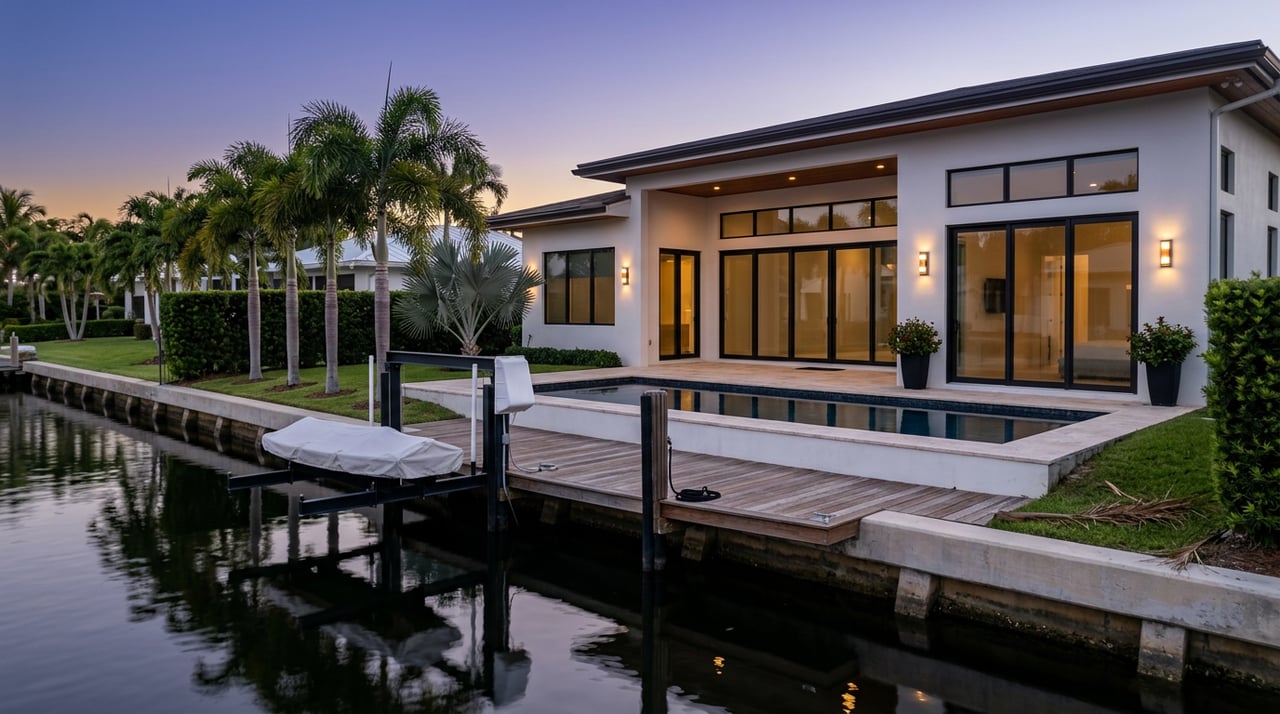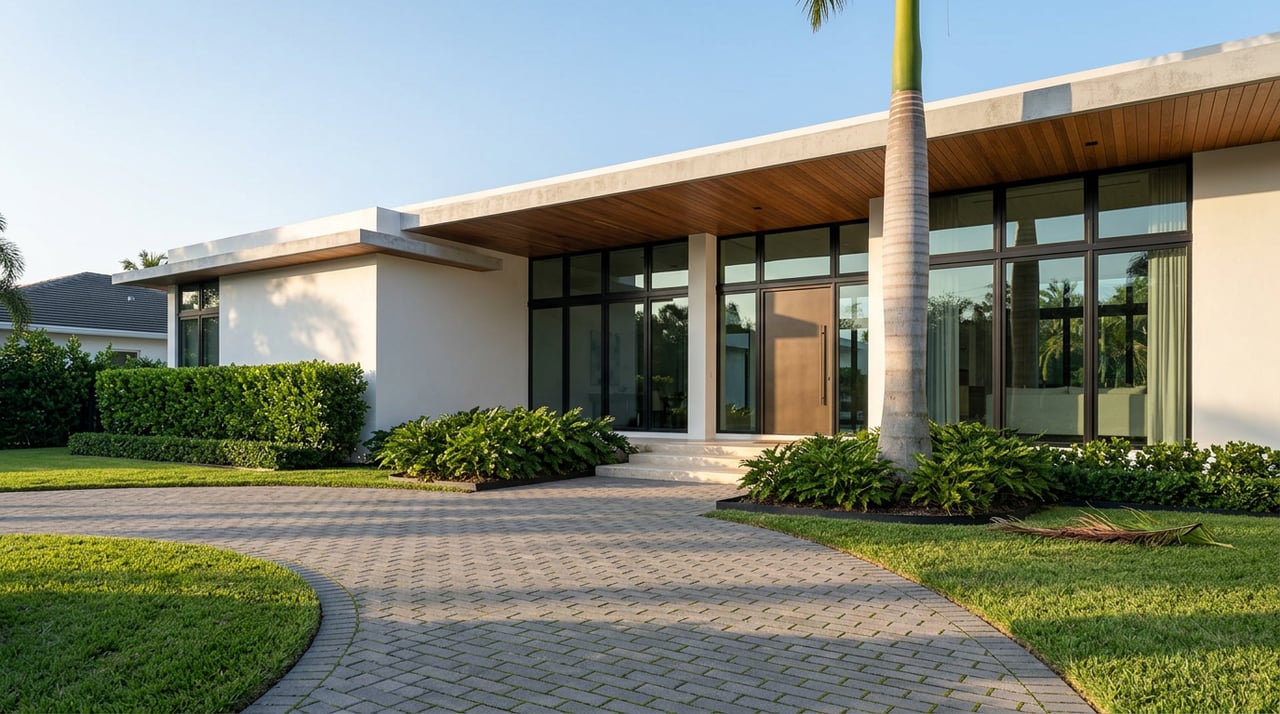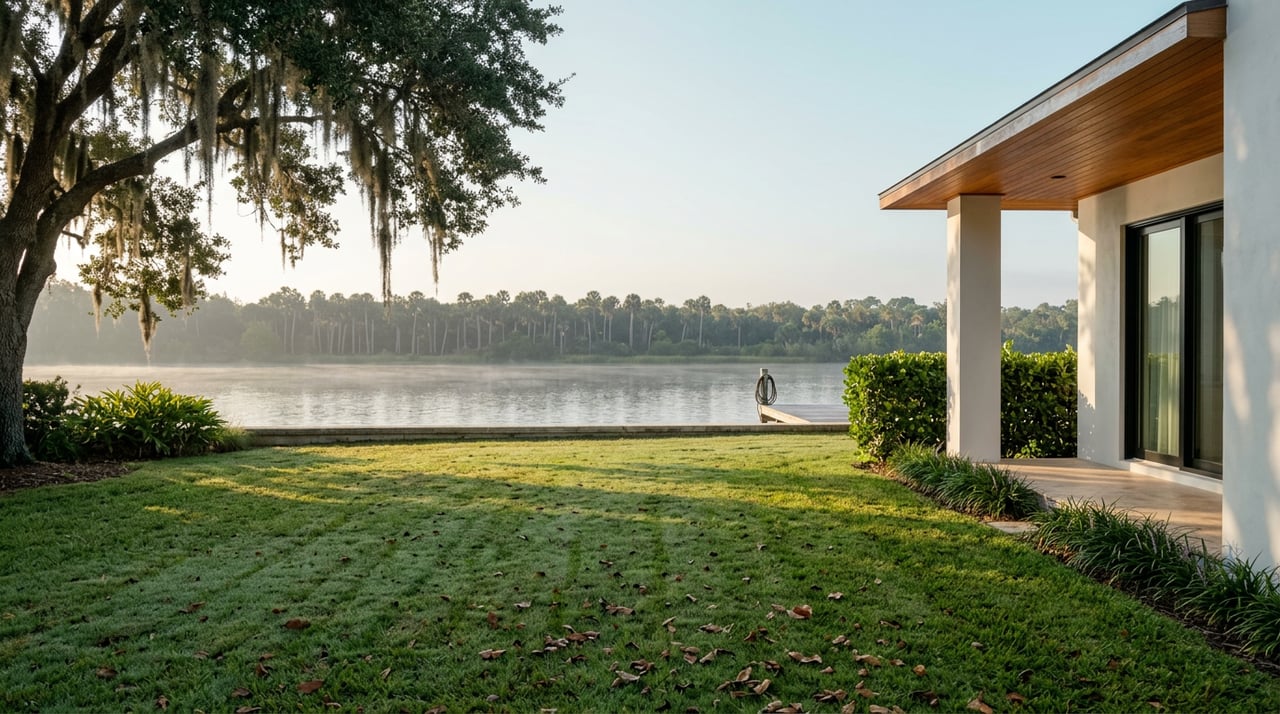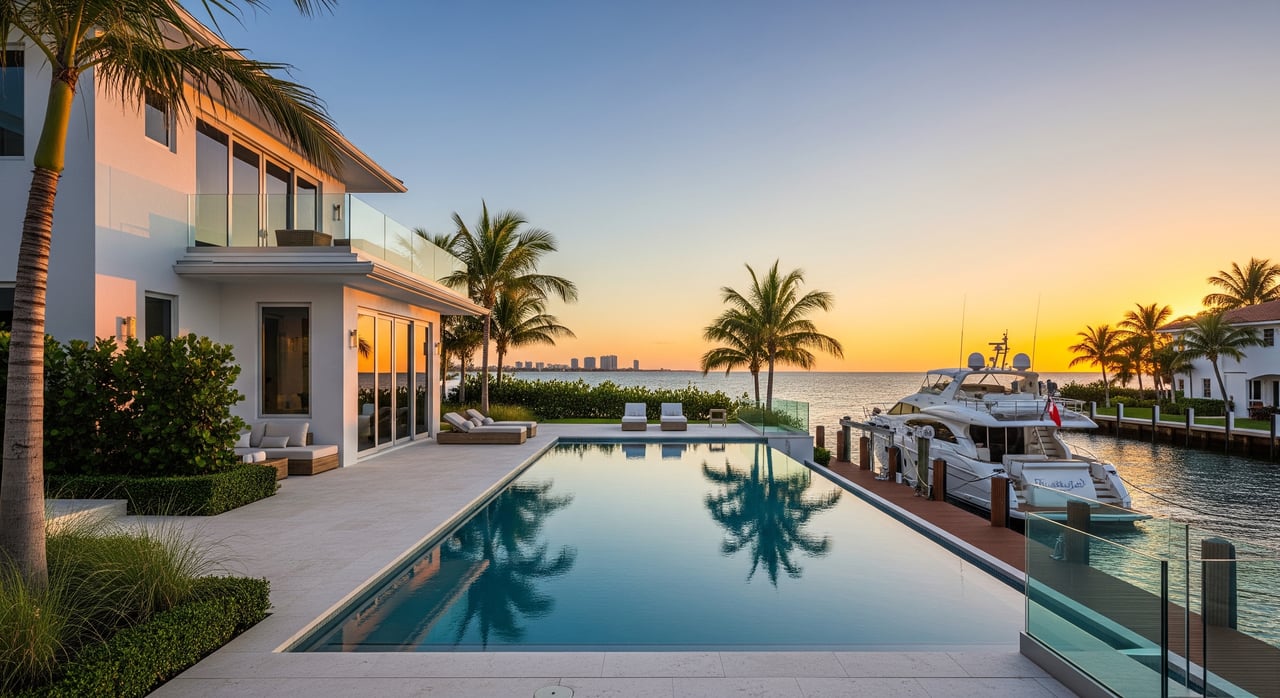
You want a Fort Lauderdale waterfront address that fits your lifestyle, not just your boat. For many luxury buyers, the choice often narrows to Bay Colony or The Landings. Both offer canal-front living and private dock potential, but the day-to-day experience can feel very different. In this guide, you’ll learn how to weigh privacy, canal layout, lot types, marine access, and local conveniences so you can decide with confidence. Let’s dive in.
Bay Colony vs. The Landings
Bay Colony and The Landings sit within Fort Lauderdale’s Intracoastal corridor, an area known for canal-front homes, boating culture, and quick access to beaches, marinas, and dining. Both neighborhoods attract luxury single-family buyers who want private dockage and a refined address.
- Bay Colony is widely viewed as a higher-end, private-address enclave that appeals to estate-level buyers seeking discretion and strong aesthetic standards.
- The Landings often competes for the same buyer demand, usually with a broader mix of lot sizes and home styles that can open more options at different price points.
Because neighborhood-level pricing moves quickly, request fresh MLS reports and Broward County property records before you rely on any numbers. A current, block-by-block view will give you the most accurate picture.
Security and governance
Privacy and governance models are key differences to consider.
- Bay Colony is often associated with a more controlled, private entry experience. Confirm current gate operations, staffing, and guest procedures directly with the association before you buy.
- The Landings can vary by section. Some blocks may have distinct entry arrangements while others are open. Verify the specific property’s situation rather than assuming the entire area functions the same.
Before you commit, ask for the HOA or association’s covenants, architectural review board (ARB) guidelines, budgets, reserve studies, and any special assessment history. These documents shape your day-to-day flexibility, from exterior changes to dock configurations.
Lots and home types
Waterfront buyers often prioritize lot width and water frontage over pure square footage. That is because frontage dictates dock potential and maneuvering room.
- Bay Colony tends to feature larger estate-caliber parcels in many sections. This can translate to wider water frontage, deeper setbacks, and enhanced privacy. Confirm the actual measurements from parcel records.
- The Landings typically offers a range of lot sizes and housing vintages, from mid-century homes with updates to newer construction. The variety can be an advantage if you want choice in architecture or plan to rebuild.
When evaluating individual homes, check the year built, construction type, roof and openings, and whether recent renovations meet current codes. Insurance costs, maintenance, and long-term resilience are linked to these details.
Canal layout and boating access
For many owners, the canal system is the deciding factor. You want to know how your boat will perform from your dock to the Intracoastal and the Atlantic.
- Directness to the Intracoastal: Canals that feed straight to the Intracoastal reduce turns and travel time. Map your route and note any slow zones.
- Canal width and turning basins: Wider canals and true turning basins make it easier to handle larger yachts. Assess the practical boat length for your specific canal and lot.
- Water depth at dock: Mean low water depth dictates draft tolerance. Tidal ranges and shoaling can change actual, usable depth.
- Bridges and clearances: Confirm the number of fixed bridges, their vertical clearances, and any restrictions on height or speed.
Have a qualified marine surveyor measure depth at mean low water, evaluate seawall and dock condition, and review lift capacity versus your vessel’s weight. Ask sellers for dock and seawall permits, and check whether any structures are grandfathered or must be brought to current standards.
Seawalls, docks, and capital planning
Seawalls and docks are major capital systems for a waterfront home.
- Seawall age and material: Understand remaining useful life, prior repairs, and any engineer reports. Replacement can be significant.
- Ownership and responsibility: Clarify whether the owner, HOA, or municipality maintains any shared sections, and whether cost-sharing agreements exist.
- Dock and lift permits: Confirm permits for existing structures and constraints if you plan to add or modify lifts, pilings, or slips.
A marine survey, plus a structural or civil engineer’s input if needed, will help you budget accurately and avoid surprises.
Amenities and lifestyle access
Both neighborhoods are close to core Fort Lauderdale destinations, but you should weigh trade-offs.
- Dining and shops: Las Olas Boulevard is a regional anchor for restaurants and boutiques. A short drive can be preferable to heavy foot traffic if privacy is a priority.
- Beaches and clubs: Fort Lauderdale Beach, yacht clubs, and marinas are within convenient reach. Consider proximity to major service yards for maintenance, such as established boatyards and marinas.
- Daily convenience: Access to grocery options, medical centers, and private schools may influence your routine. Evaluate drive times during peak traffic.
- Travel: Proximity to Fort Lauderdale–Hollywood International Airport is a frequent factor for seasonal owners and frequent travelers.
If you value walkability to nightlife, expect trade-offs in lot size and seclusion. If you prefer a quieter, estate-like setting, plan for short drives to dining and clubs.
Flood, insurance, and resilience
Coastal ownership in Broward County requires a plan for flood risk, wind coverage, and long-term resilience.
- Flood zones: Obtain current FEMA Flood Insurance Rate Maps and an elevation certificate for any home you are serious about. Insurance quotes depend on the exact zone and structure elevation.
- Windstorm coverage: Premiums vary by construction features like impact glass, roof straps, and concrete vs. frame construction. Get quotes before you finalize an offer.
- Resilience planning: Review Broward County and City of Fort Lauderdale publications on sea-level rise and stormwater upgrades. Nearby public projects can affect road elevations, drainage, and access.
Early conversations with an insurance broker who specializes in coastal properties can clarify carrying costs and coverage options.
How to choose based on priorities
Match the neighborhood to your non-negotiables.
- If you want maximum privacy: Lean toward a neighborhood with controlled access, larger setbacks, and robust ARB standards. Confirm actual gate operations and guest procedures.
- If you want large-yacht flexibility: Focus on wider canals, measured depths at mean low water, minimal bridge constraints, and quick routes to the Intracoastal and the ocean.
- If you want walkability: Prioritize blocks nearer to dining and beach access, knowing you may trade lot size or quiet for convenience.
- If you want lower immediate risk: Target homes with newer seawalls, recent dock work, and construction built to current codes. Review association reserves for any shared infrastructure.
Due-diligence checklist
Use this list to compare two specific homes, one in Bay Colony and one in The Landings.
Governance and privacy
- Confirm gating status, hours, guest policies, and vendor access procedures for the exact address.
- Request HOA covenants, ARB rules, budgets, reserve studies, recent minutes, and any assessment history.
Parcel and home data
- Pull lot frontage on water, lot area, recorded easements, and utility alignments from county property records.
- Review year built, major system ages, elevation certificate, and any permitted additions or rebuilds.
Marine inspections
- Hire a marine surveyor to measure depth at mean low water, inspect seawall and dock, and verify lift capacity.
- Confirm dock, lift, and seawall permits or grandfathered status with the city or county as needed.
Title and rights
- Order a title search for encroachments, riparian rights questions, or recorded seawall obligations.
- Ask about any navigational or dredging plans that could affect access.
Insurance and operating costs
- Obtain wind and flood quotes prior to a strong offer.
- Review utility costs, landscaping, pool maintenance, and any HOA or security fees.
What to verify before an offer
Before you sign, verify the details that most affect your lifestyle and resale certainty.
- Gate operations and monitoring, including camera systems and vendor protocols
- Canal width, turning basin presence, and any bridge clearances on your route
- Seawall ownership and responsibility for maintenance or replacement
- Any restrictions on boat size, number of vessels per lot, or commercial use
- Planned public works, dredging schedules, or infrastructure projects nearby
A boutique approach to your search
Your address choice is about more than a canal line on a map. It is about how you want to live, host, and move through the city by land and water. A curated search that aligns your yacht, privacy preferences, and construction standards with the right street can save you time and reduce risk.
If you would like a private, start-to-finish experience with neighborhood-level guidance, discreet touring options, and coordination with marine surveyors, insurers, and attorneys, connect with Heather Lefka. Schedule a private consultation to compare Bay Colony and The Landings with current, lot-specific data and a plan that fits your lifestyle.
FAQs
How do I assess dock suitability for my boat?
- Hire a marine surveyor to measure depth at mean low water, inspect the seawall and dock, and verify permitted lift capacity against your vessel’s weight and length.
Are Bay Colony and The Landings fully gated?
- Gating and access controls vary by neighborhood section; confirm the exact property’s gate operations, hours, and guest procedures with the HOA or management.
What ongoing costs are unique to waterfront homes?
- Plan for seawall and dock maintenance, higher wind and flood insurance, potential special assessments, and property taxes aligned with luxury market values.
How fast is ocean access from these neighborhoods?
- It depends on your canal’s directness, any fixed bridges and clearances, and local slow zones; verify your route using navigation resources and a local marine expert.
Should I factor sea-level rise into my purchase now?
- Yes, review FEMA flood maps, obtain an elevation certificate, and consult county and city resiliency publications to understand current risk and planned infrastructure.