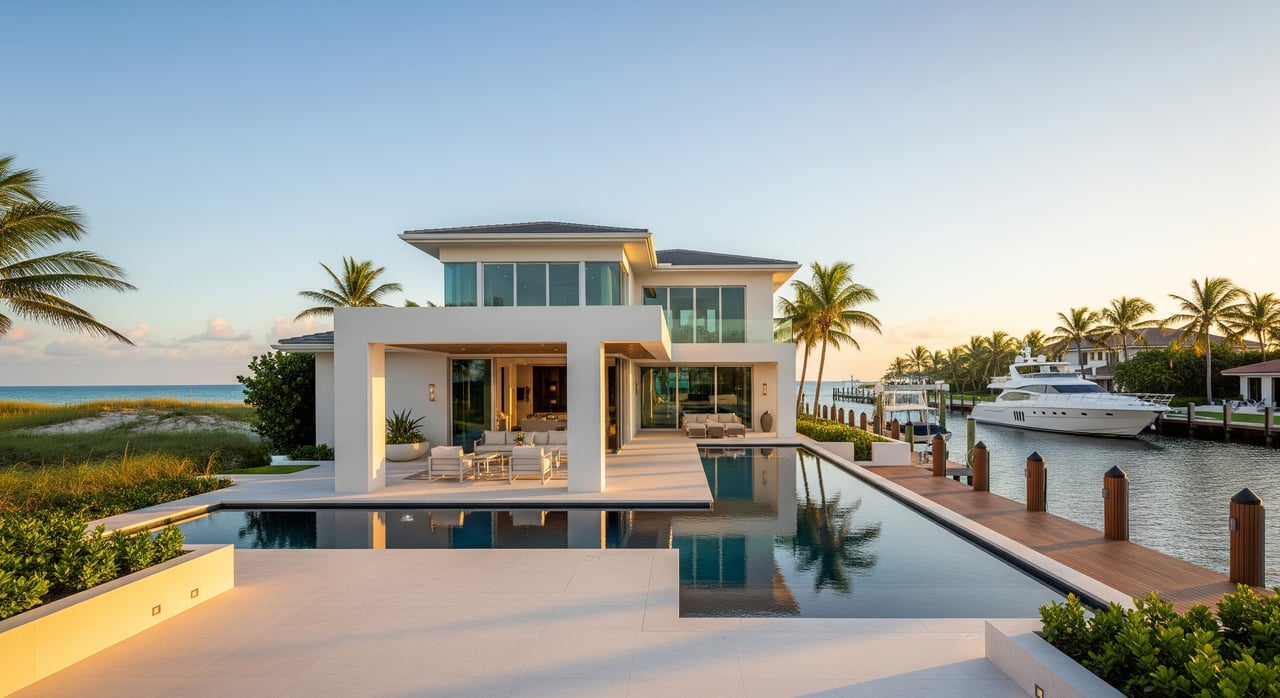
Is your perfect Hillsboro Mile address the kind with sand at your doorstep and a dock for your boat, or do you really need only one waterfront? If you’re weighing an ocean‑to‑intracoastal estate against a single‑waterfront home, you’re not alone. Choosing well in this corridor can shape your day‑to‑day lifestyle, your long‑term costs, and your resale options. This guide breaks down what matters most so you can buy or sell with confidence. Let’s dive in.
What these property types mean
Ocean‑to‑intracoastal (OTI) means one parcel runs from the Atlantic beach side across the island to the Intracoastal Waterway. You get two water frontages on one deed, typically with beach access and private dockage on the ICW. Single‑waterfront means the parcel fronts only one waterbody, either the ocean or the intracoastal/canal.
On the Hillsboro Mile in northern Broward, the island is narrow and highly built out. That makes OTI parcels scarce and often larger than typical single‑waterfront lots. Scarcity and dual frontage usually translate to a noticeable premium compared with similar oceanfront‑only or intracoastal‑only properties.
How properties differ on the Mile
Lot size and layout
Because OTI lots span the island, they are usually wider or deeper and allow flexible site planning. Many can support larger footprints, guest houses, carriage houses, and generous outdoor spaces. Single‑waterfront lots, especially oceanfront along A1A, can be narrower and more linear, which may limit placement options.
Access and circulation on A1A
Many OTI estates involve access across A1A, a public road. Private driveways that cross the right‑of‑way need the proper approvals and may affect how you design landscaping and gates. If a property spans both sides, discuss safety, visibility, and permitting with local officials early in your planning.
Dockage and boating
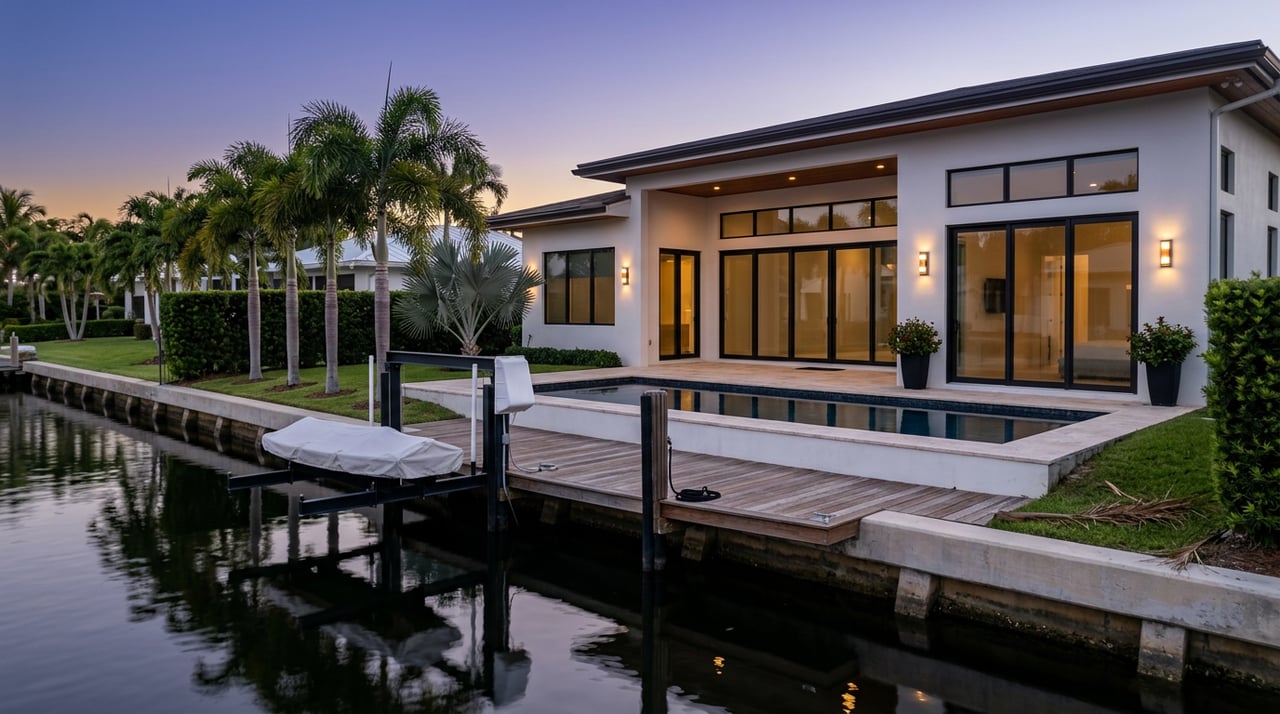
Intracoastal and OTI properties often support private docks, but size and feasibility depend on water depth at mean low tide, shoaling, and any bridge clearances to open water. Oceanfront parcels rarely have ocean docks due to surf conditions, so boaters either use the intracoastal side of an OTI parcel or rely on nearby marinas. If a canal is involved, depth and width can limit yacht size and lifts.
Views and privacy
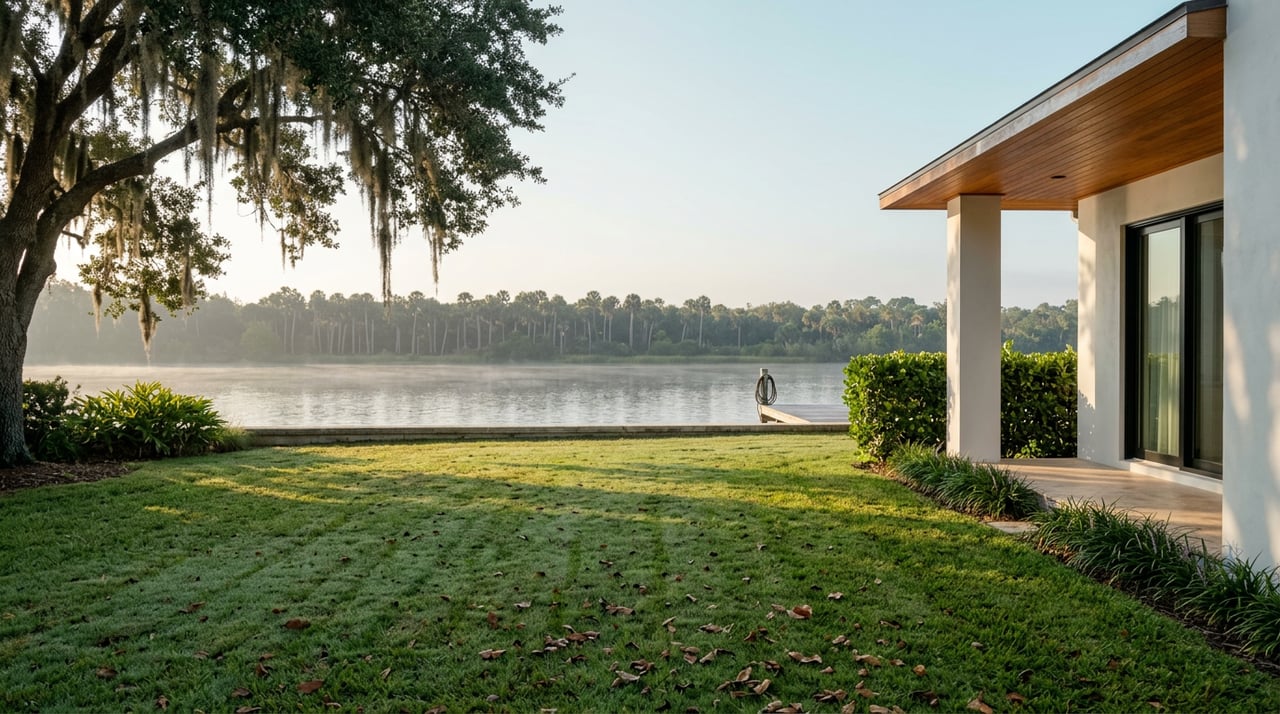
OTI estates offer two distinct view corridors: the Atlantic on one side and the Intracoastal on the other. You can orient living spaces for sunrise over the ocean and sunset over the waterway. Single‑waterfront oceanfront homes emphasize uninterrupted ocean views and immediate beach access, while intracoastal homes prioritize calm-water views and active boating scenery.
Utilities and infrastructure
In Broward, utilities are available, but OTI configurations can add complexity. You may have two frontages to service, and coastal drainage must be carefully designed. Seawall and dock systems also add maintenance responsibilities on one or both sides of the property.
Lifestyle fit: find your match
Choose an OTI estate if
- You want beach living plus a private dock without leaving your property.
- You value larger lots, flexible layouts, and the option for separate guest or staff spaces.
- You’re comfortable with higher purchase price, insurance, and maintenance in exchange for prestige and flexibility.
Choose an oceanfront single if
- Your priority is direct beach access and panoramic ocean views.
- You prefer a simpler program focused on seaside living rather than boating at home.
- You want a widely appealing lifestyle that many seasonal buyers seek.
Choose an intracoastal single if
- You are a boater who wants protected water, easier docking, and year‑round access.
- You like watching the waterway and yacht activity and can use public beach access when desired.
- You want calmer water exposure and often more straightforward dock solutions.
Cost, value, and resale on Hillsboro Mile
Waterfront carries a premium across the board, but OTI is usually the top tier because of dual frontage and lot size. The exact premium varies based on recent comps, frontage lengths, elevation, dock feasibility, and improvements. Pulling closed sales within the immediate corridor is essential when you price or evaluate offers.
Liquidity differs by segment. OTI estates attract a focused luxury audience and can take longer to trade due to higher price points. Oceanfront singles have broad appeal to buyers prioritizing the beach experience, while intracoastal singles draw boaters and those who prefer protected water views.
Carrying costs are driven by assessed value and insurance. Larger OTI estates tend to have higher tax bills. Lenders and insurers will look closely at flood zones, elevation certificates, wind coverage, and the condition of seawalls and docks.
Regarding rentals, short‑term demand across South Florida is strong, but local rules control what is allowed. Always verify ordinances and any HOA restrictions before underwriting rental income on Hillsboro Beach or Deerfield Beach addresses.
Risk, rules, and insurance you should know
Flood zones and elevation
Barrier‑island parcels often fall within FEMA flood zones like AE or V. V zones have stricter standards for elevation and foundations. Your base flood elevation and the current site elevation influence design choices, insurance costs, and lender conditions, so request the elevation certificate as part of your early due diligence.
Coastal permitting and CCCL
Development near the shoreline is regulated. The Florida Department of Environmental Protection manages work near the Coastal Construction Control Line. Local zoning and setbacks also apply, and OTI sites that cross A1A may involve additional easements or approvals. Plan ahead if you anticipate redevelopment, new seawalls, docks, or significant landscape changes.
Seawalls, docks, and maintenance
Seawall condition is a major line item in both valuation and ownership costs. OTI estates can face obligations on both the ocean and intracoastal sides. Docks and lifts require periodic inspection, and pile replacement or structural repairs should be budgeted over a long horizon.
Sea level rise and shoreline dynamics
South Florida is experiencing measurable sea level rise and more frequent nuisance flooding. Elevation, shoreline protection systems, dune health, and local mitigation efforts influence long‑term insurability and value. Ask for historical erosion data and any records of prior storm repairs for the specific property and block.
Buyer due diligence checklist
- Title and legal
- Confirm the legal description, any easements across A1A, and whether public access easements affect use.
- Surveys and site documents
- Obtain a current ALTA/land survey showing boundaries, seawalls, structures, and improvements.
- Request the elevation certificate and any as‑built plans for seawalls and docks.
- Permits and code compliance
- Review building permits, code history, and any completed hurricane retrofits.
- Verify Coastal Construction Control Line constraints and dune or beach management requirements.
- Environmental and coastal risks
- Assess historical erosion, prior storm claims, and recent shoreline restoration work.
- Insurance and lending
- Secure quotes for flood and wind coverage from an experienced coastal broker.
- Confirm lender requirements related to elevation, seawalls, and rebuilds.
- Marine feasibility
- Verify water depth at mean low tide, bridge clearances to open water, and approvals for lifts or enlarged docks.
- Utilities and drainage
- Confirm sewer tie‑in locations, stormwater plans, and access agreements if driveways cross A1A.
- Professional inspections
- Engage a structural engineer, a marine contractor for seawalls and docks, and a coastal engineer for shoreline and erosion assessments.
- Market comps and valuation
- Pull closed sales for OTI, oceanfront, and intracoastal homes within the Hillsboro Mile micro‑market and adjust for frontage, elevation, and dock capacity.
Seller strategies by property type
Marketing an OTI estate
Highlight the dual water lifestyle: private beach access and private dockage on one estate. Showcase lot dimensions, redevelopment potential, privacy options, and any recent seawall, dock, or coastal reinforcement work with permits on file. High‑end buyers value engineering reports, surveys, and a clear path for upgrades.
Marketing an oceanfront single
Focus on uninterrupted ocean views, direct beach access, and dune condition. Emphasize sun orientation and outdoor living spaces that capture the breeze and views. Provide current surveys, elevation certificates, and any beach management documentation to reassure buyers.
Marketing an intracoastal single
Lead with dock size, depth, and boating convenience. Note bridge clearances to open water and proximity to marinas if relevant. Documentation of dock permits, lift capacity, and seawall condition can help justify pricing and ease buyer due diligence.
Shared preparation that pays off
No matter the property type, commission a recent seawall and dock inspection and make results available to buyers. Package surveys, elevation certificates, closed‑permit history, and warranty information for major systems. Reducing friction up front can shorten time on market and support stronger offers.
Next steps
Choosing between OTI and single‑waterfront on the Hillsboro Mile comes down to the lifestyle you want, the boats you run, and the level of complexity you are comfortable managing. With the right guidance, you can secure a property that fits both your daily routine and your long‑term plans. For private, concierge‑level advice tailored to the Hillsboro Mile and the 33062 area, connect with Heather Lefka to discuss your goals and next move.
FAQs
Are ocean‑to‑intracoastal lots worth the premium on Hillsboro Mile?
- OTI lots are scarce and provide dual frontage, larger lots, and design flexibility, which many buyers value; whether the premium makes sense depends on your priorities for boating, privacy, and willingness to take on higher taxes, insurance, and maintenance.
How risky are Hillsboro Mile properties for flooding and storms?
- Barrier‑island homes carry elevated risk; review the FEMA flood zone, elevation certificate, and seawall condition, and consult insurance and engineering professionals before you finalize pricing or terms.
Can I add a driveway that crosses A1A on an OTI property?
- A driveway across a public right‑of‑way requires permits and may have restrictions; confirm feasibility with the municipality and public works before committing to design plans.
Will I be able to dock a large yacht on the intracoastal side?
- Docking capacity depends on water depth at mean low tide, nearby shoaling, and any bridge clearance limits to open water; a marine contractor can verify feasibility and permit options.
What hidden ownership costs should I expect on oceanfront or intracoastal homes?
- Common costs include seawall repair or replacement, dock and lift maintenance, beach or dune management, higher coastal insurance premiums, and additional permitting for shoreline work.
Are short‑term rentals allowed on Hillsboro Mile or in 33062?
- Short‑term rental rules vary by municipality and HOA; verify local ordinances and community guidelines for your specific address before underwriting rental income.