Sunrise over the Atlantic or sunsets across the Intracoastal? In Harbor Beach, the way your waterfront faces does more than set a mood. It affects daily comfort, outdoor living, maintenance, insurance, and long-term value. If you are buying or preparing to sell, understanding sun, wind, and view orientation helps you make confident choices and avoid surprises. This guide breaks down what matters most for Harbor Beach so you can decide which exposure fits your lifestyle and goals. Let’s dive in.
Harbor Beach orientations at a glance
Oceanfront east-facing
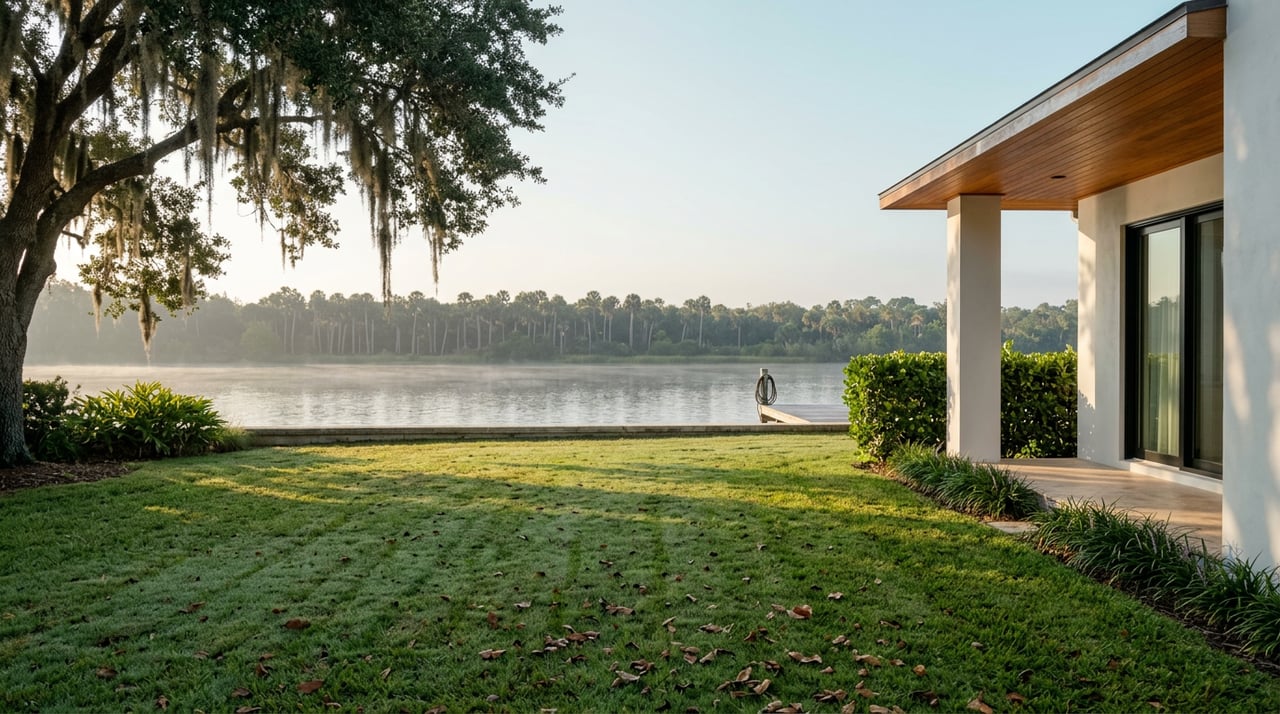
Oceanfront homes sit on the Atlantic with wide, unobstructed horizons and sunrise views. You get direct morning light and cooler afternoons. These properties see the most exposure to wind, salt spray, and wave energy, which raises the bar for materials, maintenance, and coastal construction standards.
Intracoastal west-facing
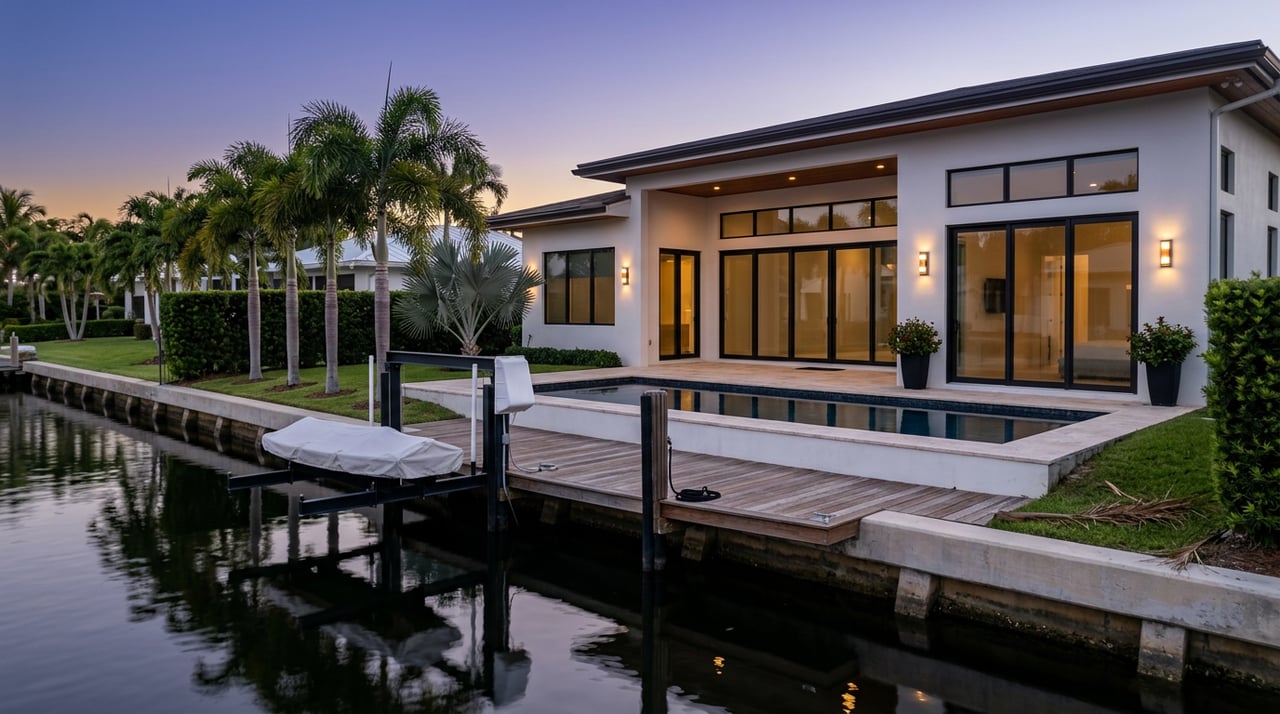
Intracoastal-facing homes look across protected channels or marinas with softer water conditions and sunset views. Afternoons are warmer due to direct sun. Wind exposure is generally more sheltered than on the ocean, but sea breezes and storms still influence comfort and risk.
Canal-front and corner lots
Canal-front properties range from very private, narrow waterways to wide channels with active boating. Sightlines can be limited or striking depending on width and angle. Corner or angled lots may catch multiple exposures, which can be a plus for natural ventilation but may amplify wind effects in some conditions.
Sun direction and daily comfort
Morning vs. afternoon light
- East-facing exposures bring soft morning light and reduced afternoon heat. Many owners prefer this for bedrooms and kitchens.
- West-facing waterfronts deliver dramatic sunsets and brighter late-day light. Interiors can run warmer, and window treatments or high-performance glazing help manage heat gain.
- South-facing facades receive the most sun across the day, while north-facing receive the least direct sun. This affects cooling loads and where you place primary living spaces.
Outdoor living and pool time
- West-facing decks and pools soak up afternoon sun and are ideal for evening swims or sunset cocktails. Shade structures and umbrellas are smart additions.
- East-facing patios feel cooler later in the day, a benefit during summer. Oceanfront sunrises are spectacular for early risers.
- UV exposure is strong year-round in South Florida, so sunscreening, UV-blocking glass, and strategic landscaping are common.
Solar and UV protection
- South and southeast roof planes typically provide solid solar potential in South Florida. Roof pitch and shading from palms or nearby structures matter.
- Strong afternoon sun increases the risk of fading on fabrics, floors, and artwork. UV film, awnings, and modern glazing reduce wear while preserving views.
Wind patterns and materials
Sea breeze and seasonal shifts
South Florida often sees an onshore sea breeze that builds from late morning into the afternoon during warmer months. In winter, passing fronts can bring periods of stronger northerly or northwesterly winds. During hurricane season, storms can produce intense winds from many directions. Orientation affects how your home feels in these cycles and how you plan outdoor spaces.
Building and maintenance choices
- Oceanfront exposure calls for corrosion-resistant metals, marine-grade fixtures, and diligent upkeep due to salt spray.
- Impact-rated windows and doors, reinforced roof systems, hurricane straps, and wind-firm landscaping are strong selling points and practical safeguards across Harbor Beach.
- Capturing the sea breeze can reduce AC use on pleasant days, but screening and overhangs help manage humidity and driving rain during storms.
Views, value, and permanence
View types and appeal
- Open-ocean views carry a premium for their expansive horizon and sunrises.
- Intracoastal and wide-canal views appeal to boaters and sunset seekers, often with calmer water and lively maritime scenery.
- Marina views attract owners who enjoy proximity to slips and activity but may feel busier.
- Partial views through palms or between homes command less than full, unobstructed outlooks.
Protecting sightlines
View permanence is not guaranteed unless protections are recorded. Future development, mature landscaping, and docked boats can change sightlines over time. It helps to review local zoning, height limits, recent permits, and responsibilities for trimming shoreline vegetation. Documenting view corridors for a listing can set clear expectations for buyers.
Flood, surge, and insurance checks
Flood zones and elevation
Harbor Beach sits on a barrier island where many properties lie in FEMA coastal flood zones. Oceanfront homes may be in VE zones with higher wave action, while Intracoastal and canal homes can be in AE or other zones depending on elevation. An elevation certificate helps clarify risk and can influence flood insurance premiums.
Seawalls, docks, and permits
Seawall condition and design are critical to performance and value. Repairs or replacement can be significant investments, so recent inspections and as-built documents are useful. Docks, lifts, and seawalls often require city, county, and state permits. Confirming permit history, dock depth at mean low tide, and any size restrictions for vessels helps avoid surprises after closing.
Insurance and resilience
Flood insurance may be required for properties in high-risk zones, and wind coverage typically includes separate named-storm or hurricane deductibles in Florida. Upgrades such as impact windows, reinforced roofs, and elevated mechanicals can improve resilience and may support more favorable insurance outcomes. Ask for premium history and any recent claims as part of due diligence.
Buyer checklist: Harbor Beach waterfront
Use this quick checklist when touring and comparing homes:
- Orientation and views
- Confirm the primary waterfront direction and whether sunrise or sunset is unobstructed.
- Ask about nearby development, recorded view easements, and local height limits.
- Sun and interior comfort
- Note how the sun moves through living areas and bedrooms across the day.
- Check for impact-rated glazing, UV film, or shading solutions in high-heat rooms.
- Wind, structure, and hardware
- Verify roof type, age, and wind ratings for windows, doors, and outdoor structures.
- Ask about past storm damage and recent mitigation upgrades.
- Flood and resilience
- Request the FEMA flood zone letter and elevation certificate.
- Review seawall age, inspection reports, and any engineering assessments.
- Confirm current flood and wind insurance premiums and deductibles.
- Utilities and mechanicals
- Locate HVAC units, electrical panels, and water heaters; confirm they are elevated when appropriate.
- Review corrosion history and age of mechanicals near salt exposure.
- Docking and boating
- Confirm dock permits, depth at mean low tide, and any restrictions on vessel size or use.
- Landscaping and maintenance
- Look for salt- and wind-tolerant plantings and clarify who maintains palms or shoreline vegetation.
Seller strategy: Prepare for premium
- Gather documentation
- Compile elevation certificates, seawall inspections, and records of roof, window, and mechanical upgrades.
- Lead with lifestyle
- Highlight orientation-specific benefits such as sunrise ocean views, sheltered Intracoastal sunsets, or afternoon sea breezes.
- Time the photography
- Capture sunrise for east-facing oceanfront and sunset for west-facing Intracoastal or wide canals.
- Be transparent
- Share realistic insurance ranges, seawall maintenance, and any HOA or waterfront assessments to build buyer confidence.
Choosing your orientation
Start with lifestyle. If you want quiet mornings and cooler afternoons, an east-facing oceanfront or canal may fit. If you crave sunsets and evening pool time, look west toward the Intracoastal or a wide canal. For maximum sun and solar potential, a south-facing façade can work with the right shading and glazing. Weigh boating needs, wind exposure, and the long-term upkeep of seawalls and metals near salt air. Align these tradeoffs with your daily rhythms and your long-term plans for the property.
Ready to find the right fit or position your home for a premium? Schedule a private conversation with Heather Lefka for tailored guidance on Harbor Beach orientation, resilience, and value.
FAQs
What does waterfront orientation mean in Harbor Beach?
- It refers to which way your primary waterfront faces, which affects sun exposure, wind patterns, views, maintenance, and comfort.
Which Harbor Beach orientation is best for daily comfort?
- East-facing homes feel cooler in the afternoon, while west-facing homes enjoy sunsets but need more shading; the right choice depends on your routine.
How do winds affect Harbor Beach outdoor spaces?
- Daily sea breezes can cool patios and upper decks, while seasonal fronts and storms bring stronger winds that guide material and design choices.
Will my Harbor Beach ocean or canal view stay the same?
- Views can change with development and vegetation; check zoning, recent permits, and any recorded easements before you buy.
What flood zones apply to Harbor Beach waterfront homes?
- Many properties fall within FEMA AE or VE coastal zones; an elevation certificate helps clarify risk and potential insurance costs.
What should I inspect on seawalls and docks before buying?
- Ask for recent inspections, as-built drawings, dock permits, and depth at mean low tide, plus any records of repairs or upgrades.
Do impact windows and roof upgrades help insurance in Harbor Beach?
- Impact-rated windows, reinforced roofs, and elevated mechanicals are strong resilience features and can support more favorable insurance outcomes.