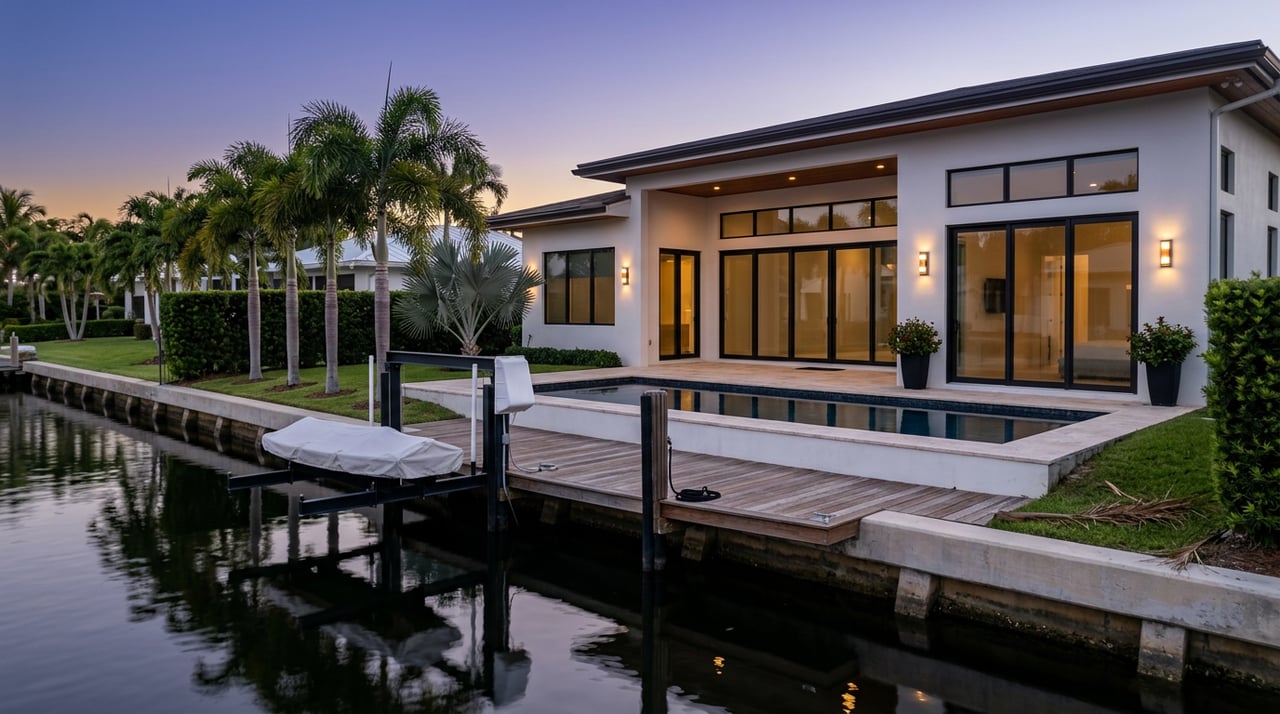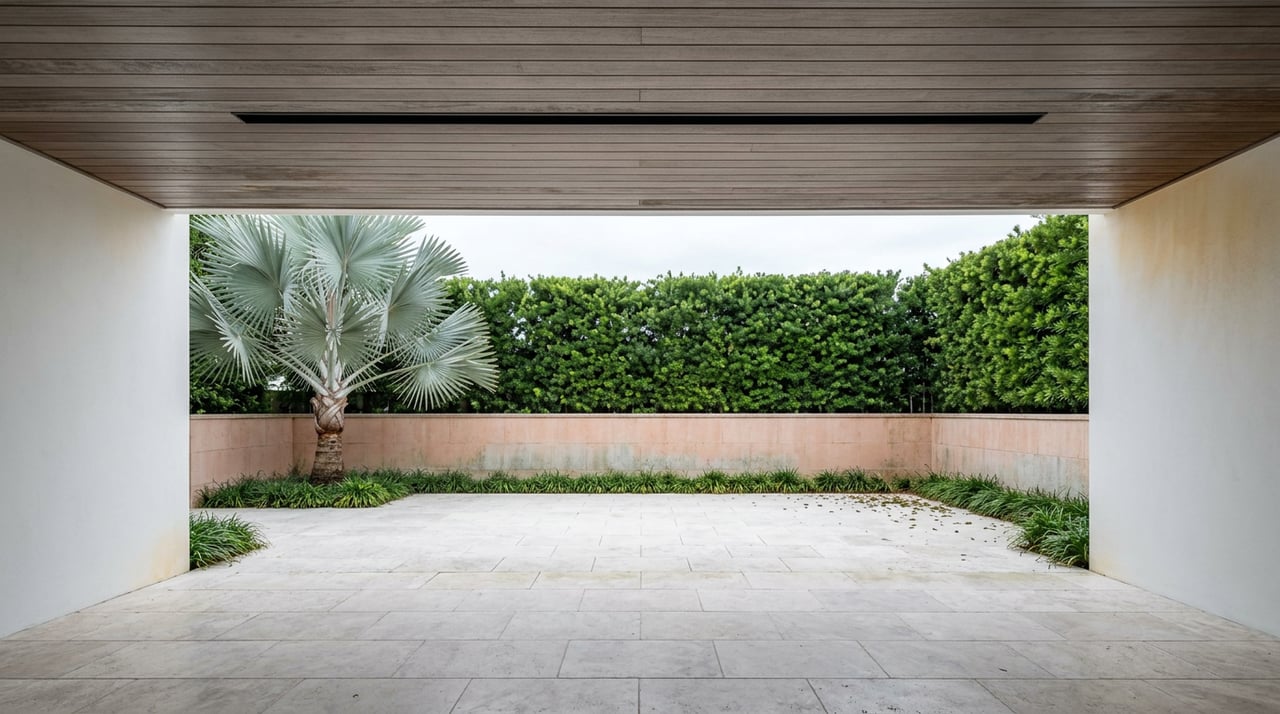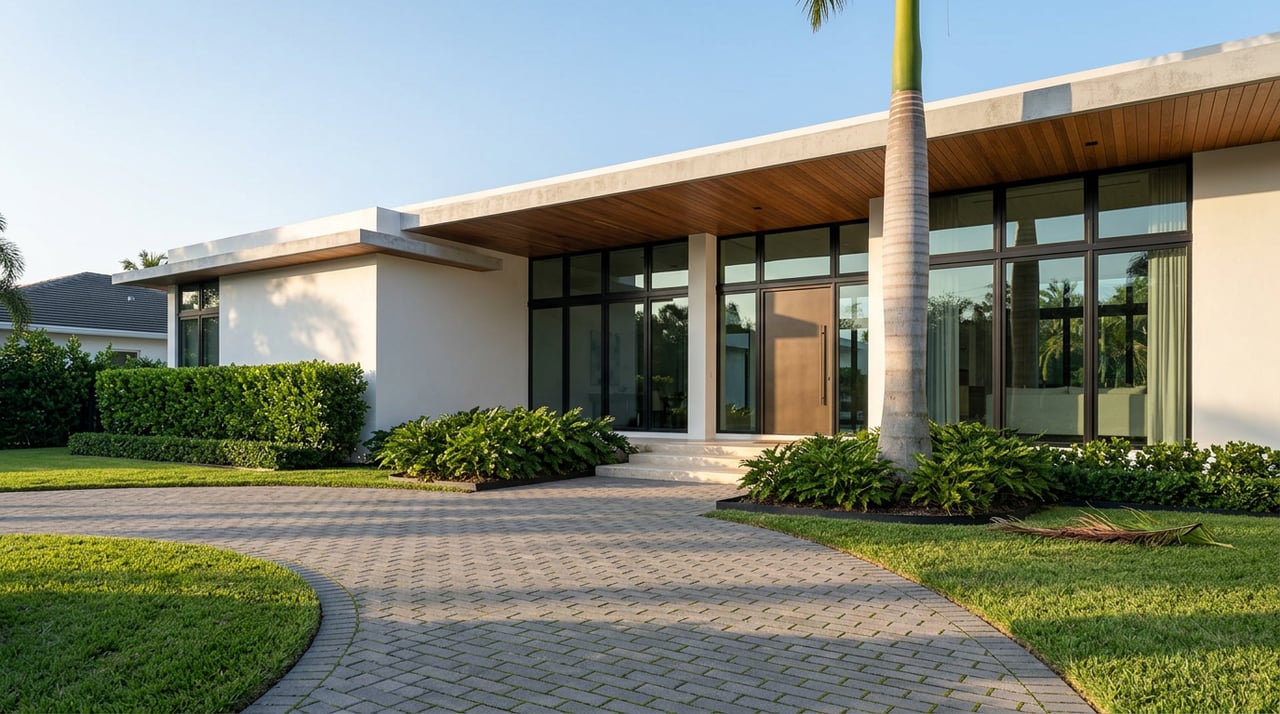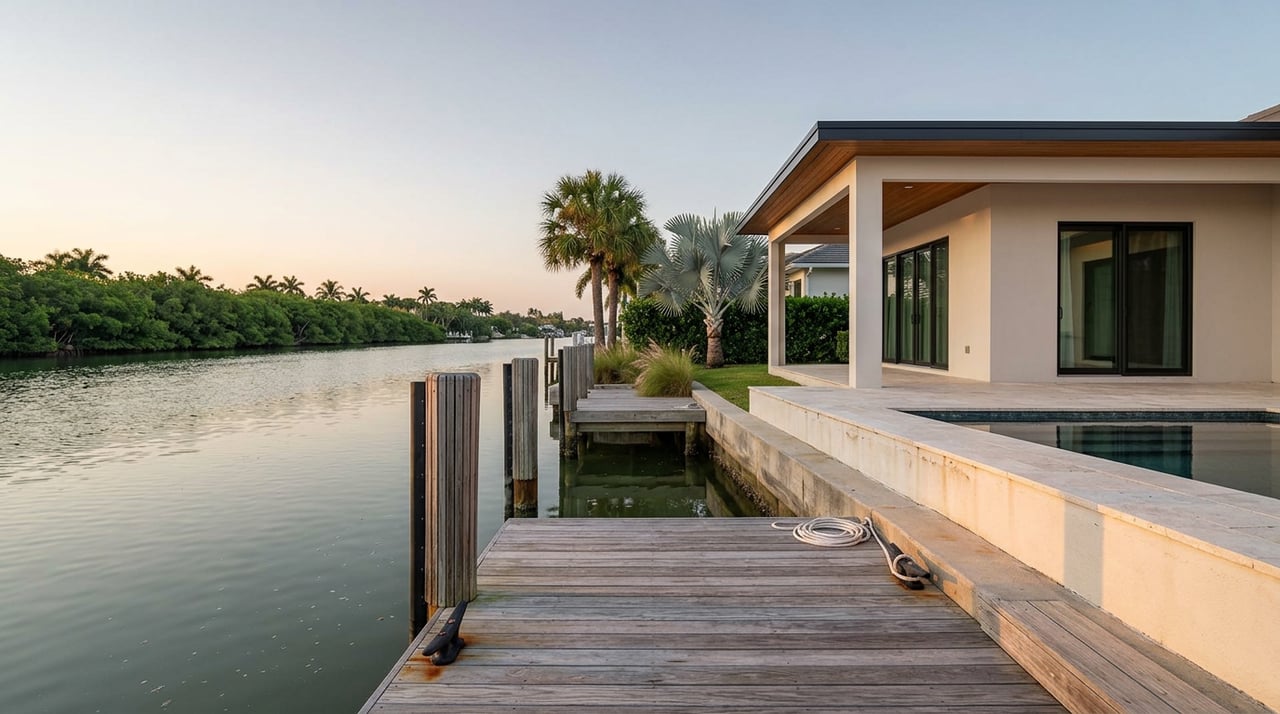
Walk the sidewalk on the Hillsboro Inlet Bridge most September evenings and you'll notice something before you can name it. The charter fleet that usually rafts along the marina's south side, the boats you've learned to recognize by their outriggers and hull colors, aren't lined up where you left them in August. A few captains you know by name have moved their pickup point entirely. Nobody posted a notice on your door. The water just started working differently, and the dock followed.
That's the real shape of fall in Hillsboro Shores. It isn't marked by a drop in temperature or the return of second-home owners. It's marked by a six-week stretch when the inlet itself changes character, and this year that shift is colliding with construction that's quietly rerouted part of the working waterfront most residents assume is fixed in place.
Two Windows, Six Months Apart
Blackfin tuna don't run through Hillsboro Inlet once a year. They run twice, and the gap between those windows tells you more about how this neighborhood actually uses its water than any calendar of snowbird arrivals ever could.
| Season | Months | What shows up |
|---|---|---|
| Spring run | March through May | Blackfin tuna, early kingfish activity |
| Fall run | September through November | Blackfin tuna return, kingfish push toward the beach, sailfish and wahoo begin as waters cool |
The fall window is the one locals wait for. Kingfish start running tight to shore in late fall, close enough that anglers casting from the jetty or the beach can hook into fish that summer visitors never see. Sailfish and wahoo start showing up as the water cools, both species that prefer the cooler months over the flat heat of July and August. None of this depends on anyone booking a room at a hotel. It depends on water temperature, current, and bait movement, which is exactly why it feels invisible to anyone who isn't already paying attention to the inlet as a working system rather than a view.
If you've lived here through a few Septembers, you already know the sound of it: more boat traffic under the bridge at dawn, more trailers backed up to the ramp before 7 a.m., a different rhythm to the horn signals boats use to request an opening. What's different this year is where some of that traffic is starting from.
The Marina That Moved Without Announcing It
Hillsboro Inlet Marina, the departure point most residents think of as fixed, is currently mid-repair. The marina is undergoing seawall improvements, and while the fishing charters based there are still running, several have relocated to nearby departure points for the duration of the work. Nobody canceled a season. The boats are still going out. They're just leaving from a different stretch of shoreline than the one you're used to scanning from your own dock or your kitchen window.
This matters more in September and October than it would in July, because this is precisely the stretch when boat traffic through the inlet increases. The fall run means more captains on the water chasing kingfish and the second blackfin window, and more of those captains are currently working around a construction footprint at their usual home base. If you've tried to flag down a familiar boat at its normal slip and come up empty, this is why. If you're planning to charter a fall trip yourself, it's worth confirming a pickup location rather than assuming last year's dock still applies.
None of this shows up on a sign. It shows up as an absence you have to notice yourself, which is exactly the kind of change that separates people who actually live on this stretch of water from people who are just passing through it.
A Bridge That Has Always Tracked Change, Not Just Traffic
The Hillsboro Inlet Bridge itself, the bascule span built in 1966 that connects Pompano Beach to Hillsboro Shores, carries a small monument to exactly this kind of disruption. A statue of a Barefoot Mailman stands on the span, sculpted by Francine Agapoff and cast by Chiodo Art in California. It commemorates the mail carriers who walked barefoot along the beach from Palm Beach to Miami in the late 1800s, a three-day route that predated any road connecting the two. One of those mailmen, Ed Hamilton, disappeared at this exact inlet. His body was never found.
The lighthouse just north of the bridge has its own history of relocation. The 136-foot structure was originally built by a Chicago steel firm for the 1904 St. Louis World's Fair, then moved to this stretch of coastline and placed into service in 1907. It has marked the northern end of the Florida Reef for over a century, guiding boats through a channel that was hazardous then and, according to every mariner's guide covering it today, remains hazardous now.
The point isn't nostalgia. It's that this inlet has never been static scenery. It has always been a working piece of infrastructure that changes under the people who depend on it, sometimes permanently, sometimes for a season. The marina repair happening right now is a small version of a pattern the bridge and lighthouse have been recording for over a hundred years.
Where to Actually Watch It Happen
If you want to see the fall shift for yourself without a boat, a few specific spots do the job better than others.
- Hillsboro Inlet Park, right at the base of the bridge, has docks under the span and a jetty that put you close enough to watch boats work the current on an outgoing tide. It's also one of the better shore-fishing spots in the area for mangrove snapper and the occasional snook.
- The jetty on the inlet's south side puts you at the mouth where the Atlantic meets the Intracoastal, the same stretch where kingfish start showing up as the weather turns.
- Nauti-Dawg Marina Cafe, a longtime favorite among locals and boaters for breakfast, sits close enough to the water that you can watch the morning charter traffic head out while you eat.
None of these require owning a boat, a fishing license, or even much patience. They require knowing that late September is the moment to look, not July.
What This Actually Changes About Living Here
If you've been in Hillsboro Shores long enough to have a favorite captain, a usual bridge-watching spot, or just a habit of checking the water on your morning walk, this fall gives you two things to track that don't usually overlap. The fish are back on schedule. The dock they're leaving from isn't quite where it was. Both are true at once, and neither shows up unless you're already the kind of person who pays attention to this stretch of water as more than a backdrop.
That's the thing about a neighborhood built around a working inlet instead of a static shoreline. The season doesn't arrive all at once. It shows up in absences, in a boat that isn't at its usual slip, in a run of kingfish that starts a few weeks before anyone official announces it. You notice it because you live here, not because a calendar told you to look.
Heather Lefka has spent years tracking exactly this kind of detail across Fort Lauderdale's waterfront neighborhoods, the kind that never makes it into a listing description but shapes what it actually feels like to live somewhere. If you're curious about what else is shifting along this stretch of coastline, or simply want a local perspective on the neighborhood you already call home, Heather Lefka is always glad to talk.