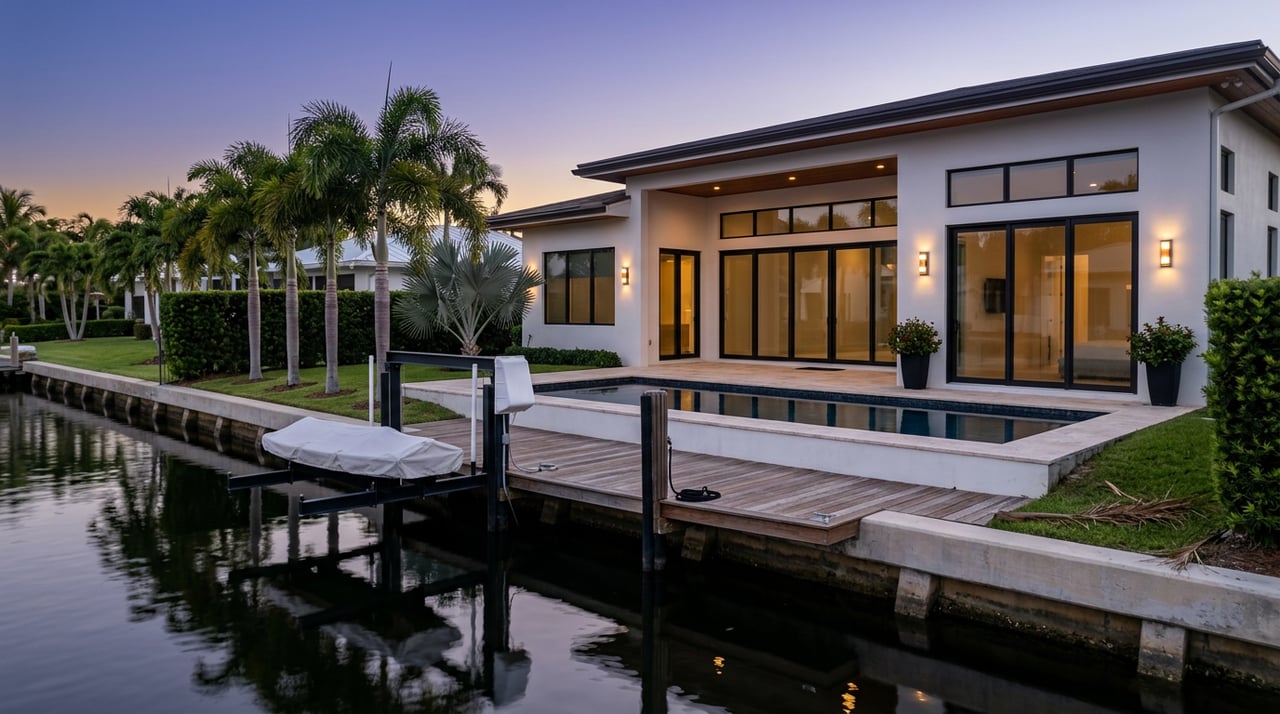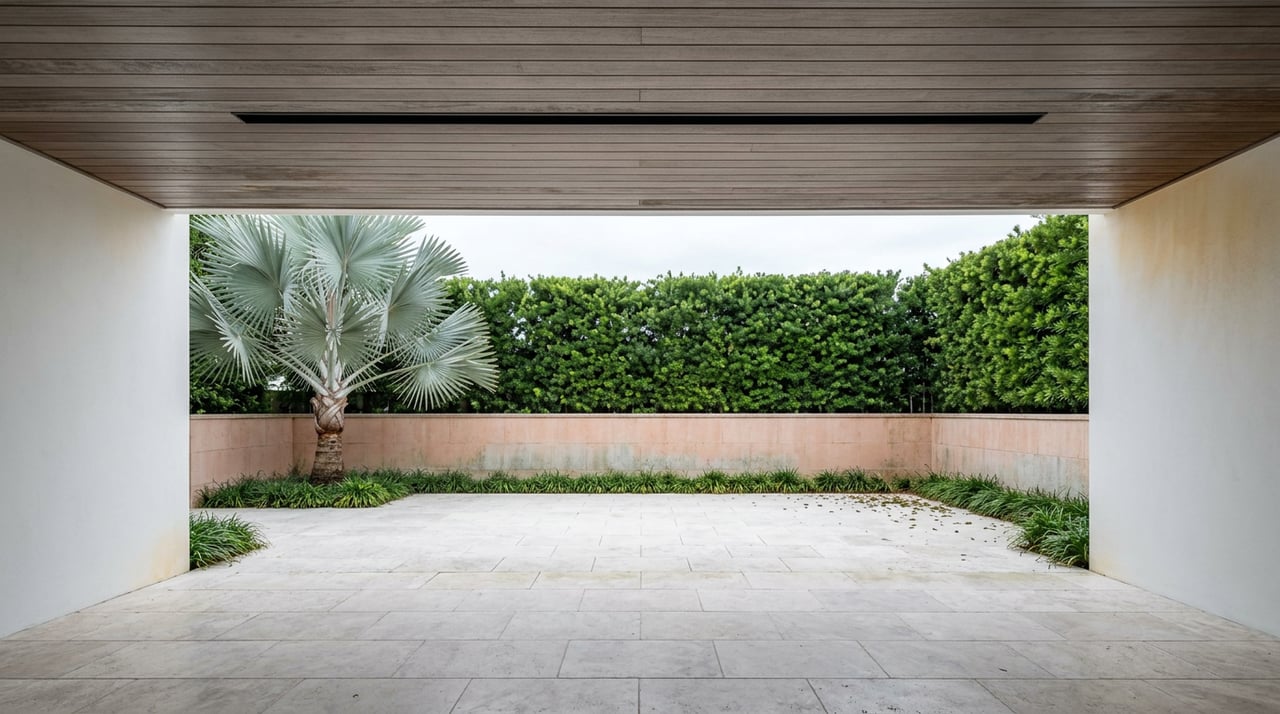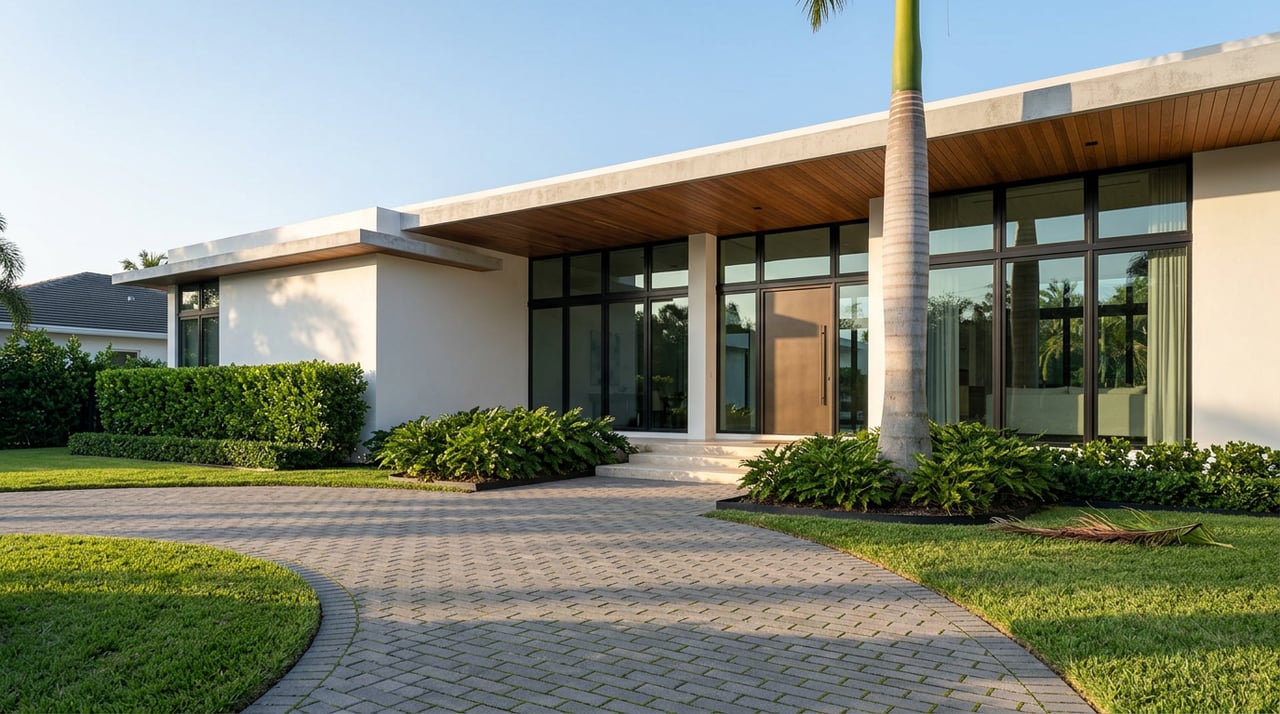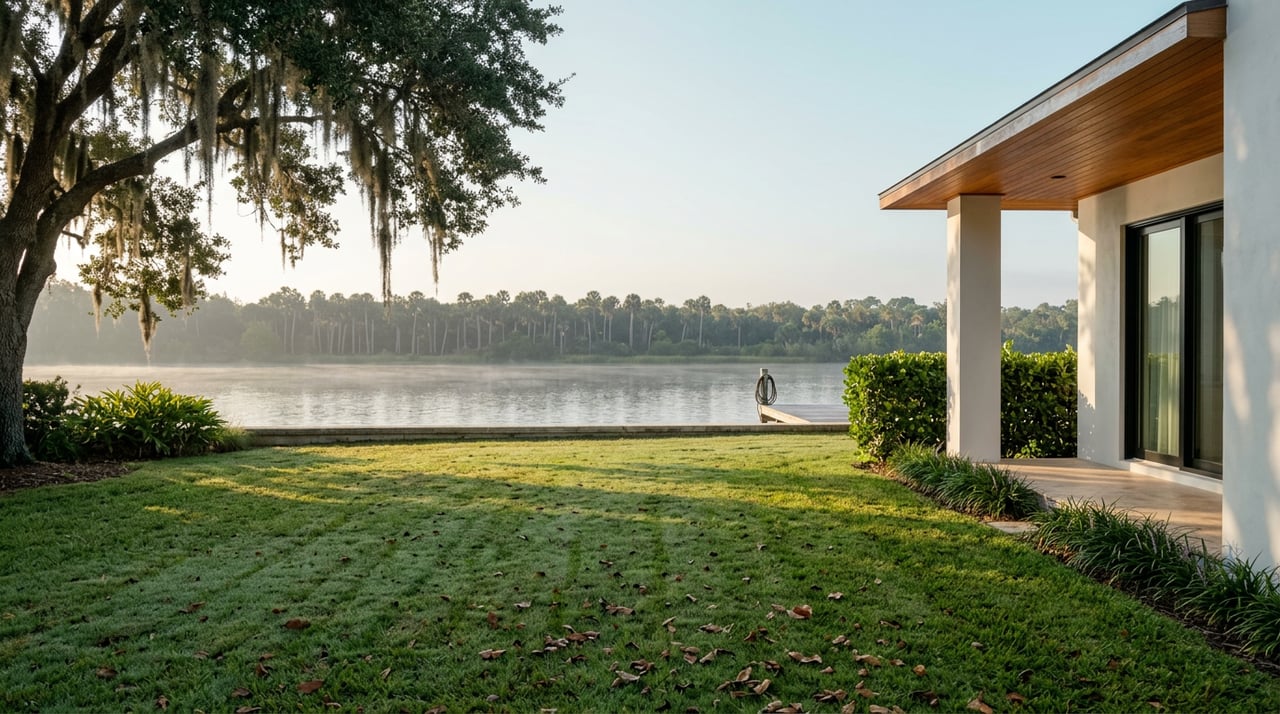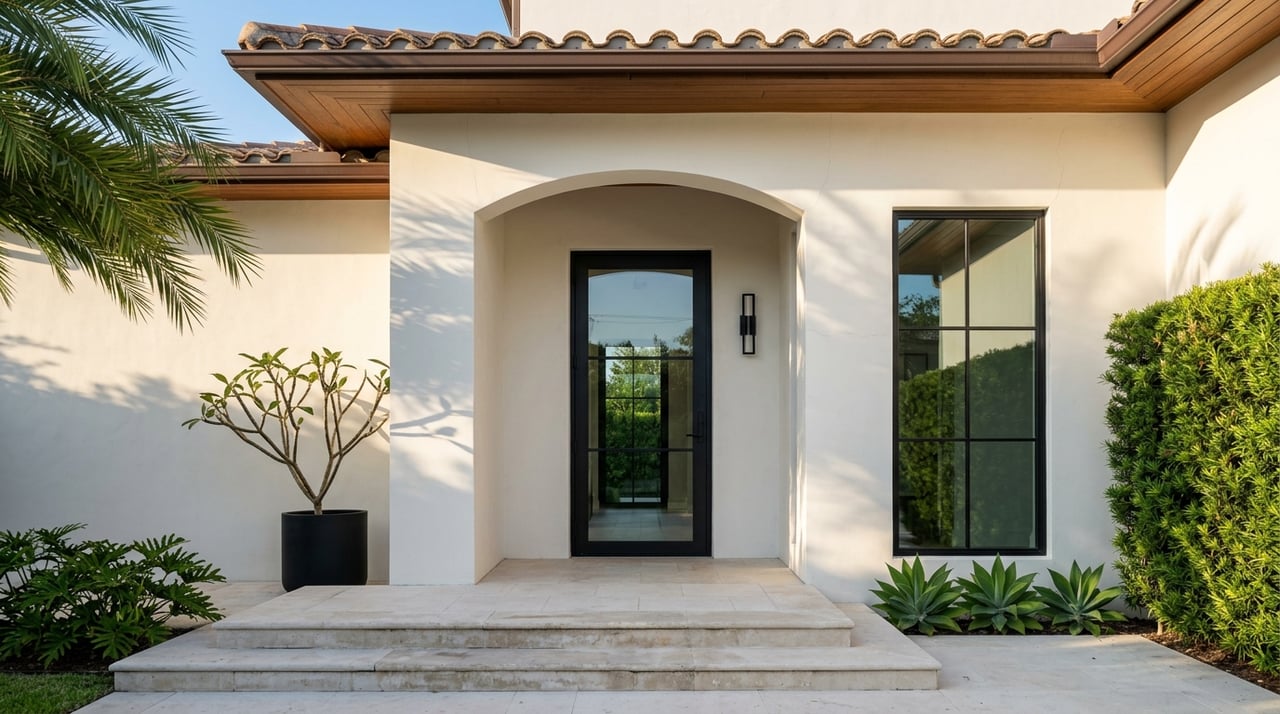
Wondering how to modernize a Rio Vista home without stripping away the details that made you fall in love with it in the first place? You are not alone. In one of Fort Lauderdale’s oldest neighborhoods, the smartest updates are usually the ones that respect the home’s original story while making daily life easier, more comfortable, and more resilient. Let’s dive in.
Rio Vista character starts with context
Rio Vista is not a one-style neighborhood. According to the City of Fort Lauderdale’s architectural survey, the area grew during the 1920s boom from the 400-acre Mary Brickell subdivision and was shaped by a river-view lifestyle, with Mediterranean Revival homes playing a major role in its early identity.
At the same time, the neighborhood includes a mix of architectural types. The survey documents Mediterranean Revival, Colonial Revival, Frame Vernacular, Minimal Traditional, and Ranch-era homes, among others. That means your renovation decisions should be based on your specific house, not just the Rio Vista name.
For buyers and owners, that is an important mindset shift. A 1920s stucco home with original detailing calls for a very different plan than a later Ranch-style property that has already been heavily altered over time.
Focus on what defines the home
If your goal is to preserve character, start with the features that shape the home’s appearance from the street. Fort Lauderdale’s Historic Preservation Design Guidelines are organized around the exterior elements that often matter most, including roofing, cladding, masonry, stucco, windows and doors, site elements, and additions.
In practical terms, that often supports a repair-first approach. Instead of immediately replacing everything, it is worth asking which parts of the home still carry its original proportions, materials, and visual rhythm.
That may include features such as:
- Roof form and pitch
- Porch scale and proportions
- Original window openings
- Decorative trim
- Stucco or masonry finishes
- Landscape structure and site layout
When those visible elements stay intact, even a significantly updated home can still feel true to Rio Vista.
Update interiors without losing the floor plan’s rhythm
Most owners want modern kitchens, improved baths, better storage, and updated systems. You can absolutely pursue those improvements while still protecting the home’s character.
The National Park Service defines rehabilitation as making a historic property usable through repair, alterations, and additions while preserving the features that convey its architectural or historical value. For a Rio Vista home, that usually means modernizing function without wiping out the original spatial feel.
In many older homes, character lives inside the layout as much as it does on the exterior. Room proportions, transitions between formal and informal spaces, original millwork, masonry details, and built-in features can all contribute to the home’s identity.
A balanced strategy often looks like this:
- Modernize kitchens and baths for daily use
- Upgrade electrical, plumbing, and mechanical systems as needed
- Keep intact millwork and masonry where possible
- Preserve original room relationships when reworking layouts
- Avoid changes that make the house feel generic or disconnected from its era
That approach can help you enjoy contemporary comfort while still keeping the home’s architectural texture.
Additions should support, not overpower
If you need more square footage, an addition may still fit the home well. Rehabilitation standards allow additions when needed, but the new work should remain compatible with the historic property rather than overwhelm it.
In Rio Vista, scale matters. A thoughtful addition should read as part of a cohesive whole, not as a separate statement that competes with the original house.
That is especially relevant for luxury buyers who want more generous living space but still value a home with presence and authenticity. The best results usually come from expanding carefully, with attention to massing, sightlines, and how the old and new portions connect.
Windows and doors deserve extra care
Homeowners often ask whether they can replace windows or doors without affecting character. In many cases, these are some of the most visible design elements on an older home, which is why Fort Lauderdale’s guidelines give them their own section.
If the home has character-defining windows, door openings, or trim, those features should be evaluated carefully before replacement. The right decision may depend on condition, historic status, and whether the existing materials still contribute to the house’s identity.
For designated properties, exterior changes may also trigger additional review. That makes it especially important to confirm requirements before ordering materials or finalizing design plans.
In Rio Vista, resilience belongs in the plan
Preserving character does not mean ignoring modern risk. In a coastal Broward County setting like Rio Vista, flood resilience should be part of the renovation brief from the start.
The National Park Service has published flood-adaptation guidance for historic buildings, with the goal of improving resilience while preserving significant features, materials, spaces, and site setting. Locally, Broward County’s current flood maps became effective July 31, 2024, and the county says those maps are used for insurance and substantial-improvement decisions.
The City of Fort Lauderdale also offers a Flood Risk Information Letter service. For buyers and owners, this matters because flood-zone information can influence project scope, cost, insurance planning, and what improvements may trigger additional requirements.
Before you design a major update, it is wise to:
- Check the current flood-zone map
- Understand whether your renovation could count as a substantial improvement
- Factor resilience into budgeting and design decisions early
- Coordinate flood-related questions before construction plans are finalized
In a neighborhood like Rio Vista, the most successful renovations tend to balance elegance, livability, and durability.
Permit history is essential due diligence
Older homes can be deeply rewarding, but they also require more disciplined research. Fort Lauderdale’s Building Services division handles permitting and inspections, and the city states that work that constructs, enlarges, alters, repairs, moves, demolishes, or changes building systems generally requires a permit.
The city also notes that new permit submissions must be digital rather than paper-based. For buyers considering a renovation, one of the smartest early steps is to review the property’s permit and plan history.
Fort Lauderdale’s Property Records Office maintains permit and plan records and specifically describes those records as useful when buying or renovating a property. The office also asks requesters to confirm the parcel through the Broward County Property Appraiser before pulling records.
This kind of due diligence can help you spot:
- Prior renovations and whether they appear properly documented
- Open questions about building systems
- Changes that may affect your own renovation scope
- Potential delays tied to past work or missing records
In a competitive luxury market, that upfront clarity can save time, money, and stress later.
Check for historic review before work begins
Not every older Rio Vista home is subject to the same review process. If a property is a designated historic resource or sits within a locally designated historic district, exterior work may require a Certificate of Appropriateness review.
The city says applicants submit the permit application for review at the Urban Design and Planning Counter, and decisions are guided by the city’s development regulations, Historic Preservation Design Guidelines, and the Secretary of the Interior’s Standards. In plain terms, that means design choices may need to meet an added level of compatibility.
This is also where timing matters. If the property is designated, Fort Lauderdale says certain incentives may be available, including an ad valorem tax exemption on the value added by restoration, renovation, or rehabilitation, but the application must be filed before construction begins.
For some projects, that may become an important financial consideration. It is another reason to verify status and review paths early, before design and budgeting are fully set.
Older home or newer build in Rio Vista?
For many buyers, the real decision is not whether to renovate. It is whether to buy an older home with architectural character or choose newer construction with a more predictable path.
Based on the city’s survey and the rehabilitation framework, older Rio Vista homes often appeal to buyers who value mature streetscapes, a sense of place, and architectural texture. Newer homes tend to attract buyers who want fewer unknowns, contemporary systems, and a more straightforward layout.
Here is the tradeoff in simple terms:
| Option | Typical Appeal | Common Considerations |
|---|---|---|
| Older Rio Vista home | Character, established setting, architectural detail | Hidden repair items, flood mitigation, system upgrades, permit history |
| Newer construction | Predictability, modern systems, contemporary plan | Less original neighborhood character, different aesthetic experience |
Neither path is universally better. The right fit depends on how much you value original charm, how much renovation complexity you are comfortable managing, and what kind of ownership experience you want.
Build the right team early
Character-sensitive renovations usually benefit from the right expertise from the start. The National Park Service recommends working with professionals skilled in preservation and rehabilitation, including architects and other specialists with relevant experience.
For buyers and owners in Rio Vista, that often means choosing professionals who understand older homes, design compatibility, and local review requirements. A thoughtful team can help you avoid expensive design missteps and make better decisions about what to preserve, what to upgrade, and where to invest.
If you are evaluating a purchase, the same principle applies. Knowing how a home’s age, condition, flood context, and permit history may affect your plans can change what looks like value on day one.
A well-updated Rio Vista home should feel both refined and grounded in its setting. If you are weighing a purchase, preparing for a renovation, or deciding whether an older home or newer build is the better fit, Heather Lefka offers discreet, neighborhood-specific guidance for Rio Vista buyers and sellers.
FAQs
What makes a Rio Vista home architecturally distinctive?
- Rio Vista includes a mix of older home styles, with Mediterranean Revival strongly tied to its 1920s development, along with Colonial Revival, Frame Vernacular, Minimal Traditional, and Ranch-era homes documented by the City of Fort Lauderdale.
What renovation features usually preserve Rio Vista home character?
- Repairing and retaining visible elements such as roof form, porch proportions, window openings, trim, stucco, masonry, and landscape structure usually does more to preserve character than wholesale replacement.
What should Rio Vista buyers check before planning renovations?
- Start by pulling permit and plan records, checking the current flood-zone map, and verifying whether the property has any historic designation or review requirements before design work begins.
Do Rio Vista homes need city approval for exterior changes?
- If the property is a designated historic resource or located in a locally designated historic district, exterior work may require a Certificate of Appropriateness review through the City of Fort Lauderdale.
Can you add onto an older Rio Vista home?
- Yes, additions can be part of a rehabilitation project, but they should remain compatible with the original home and should not overpower the historic structure.
Why does flood information matter for a Rio Vista renovation?
- Broward County’s current flood maps are used for insurance and substantial-improvement decisions, so flood-zone information can affect project design, budgeting, and compliance planning.