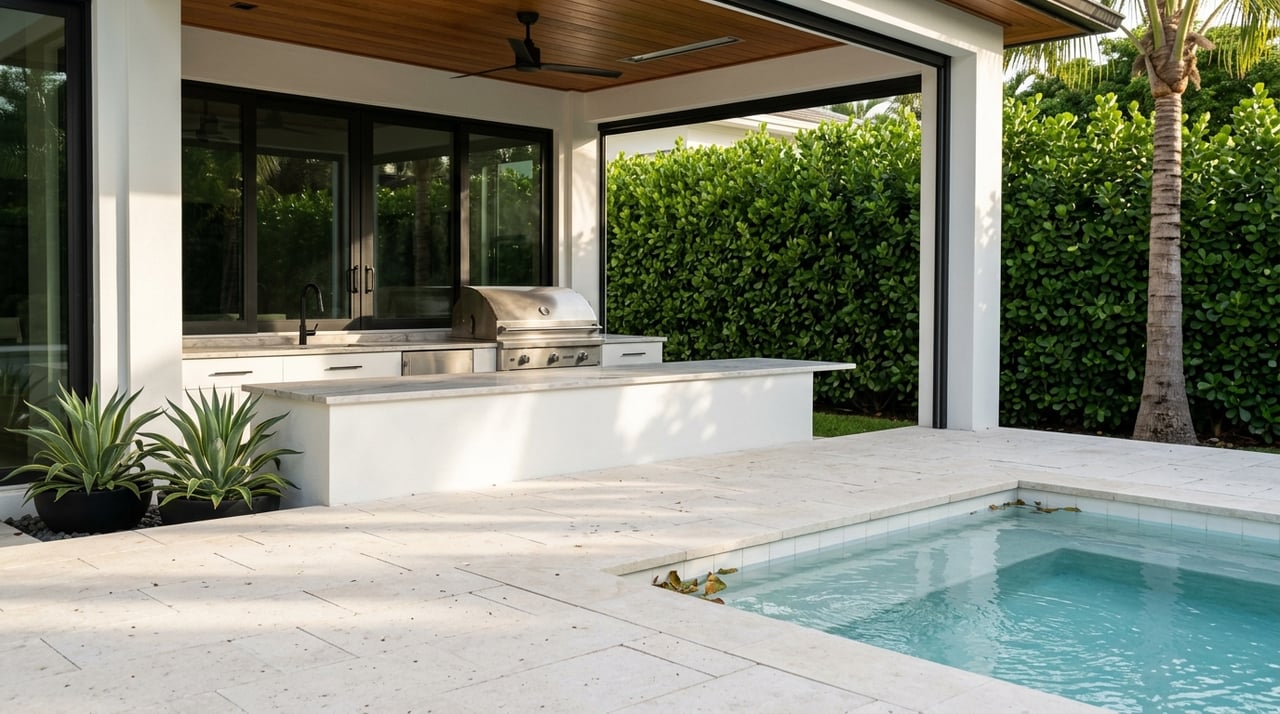
Are you dreaming about a beautiful outdoor retreat in Hillsboro Shores, only to realize beachside design comes with very different rules than an inland backyard? That tension is real. You want spaces that feel polished, private, and effortless, but you also need to plan for salt air, flooding, wind, heat, and local coastal requirements. The good news is that the most successful outdoor spaces here balance style with resilience, and that is exactly where smart design begins. Let’s dive in.
Why Hillsboro Shores Outdoor Design Is Different
Hillsboro Shores is a distinct SR A1A district in Pompano Beach, stretching from Norfolk Street to Marine Drive. In this coastal setting, outdoor design is not just about looks. It also needs to respond to flood exposure, storm conditions, sun, and the realities of living near the ocean.
Pompano Beach notes that more than 32% of its buildings are in a Special Flood Hazard Area, and the city considers all of Pompano Beach flood prone. Properties east of State Road A1A face greater risk from waves and storm surge. The city also points to sunny-day tidal flooding linked to flat topography, shallow porous soils, king tides, and sea level rise.
For you as a homeowner or buyer, that means the best outdoor spaces in Hillsboro Shores are planned with drainage, durability, and local compliance in mind from the start. Decorative choices still matter, but they work best when they support a coastal-ready design.
Start With Resilience First
Luxury outdoor living in Hillsboro Shores should feel easy to enjoy. To get there, the design has to do some quiet work behind the scenes. That often means making smart choices about shade, drainage, storage, lighting, and materials before you focus on furniture and finishes.
NOAA’s South Florida climate normals show rising average annual temperature normals across the region, while precipitation remains highly variable, especially in the wet season. With hurricane season running from June 1 through November 30, outdoor spaces benefit from covered areas, secure furnishings, and flexible layouts that can adapt seasonally.
Prioritize Shade and Shelter
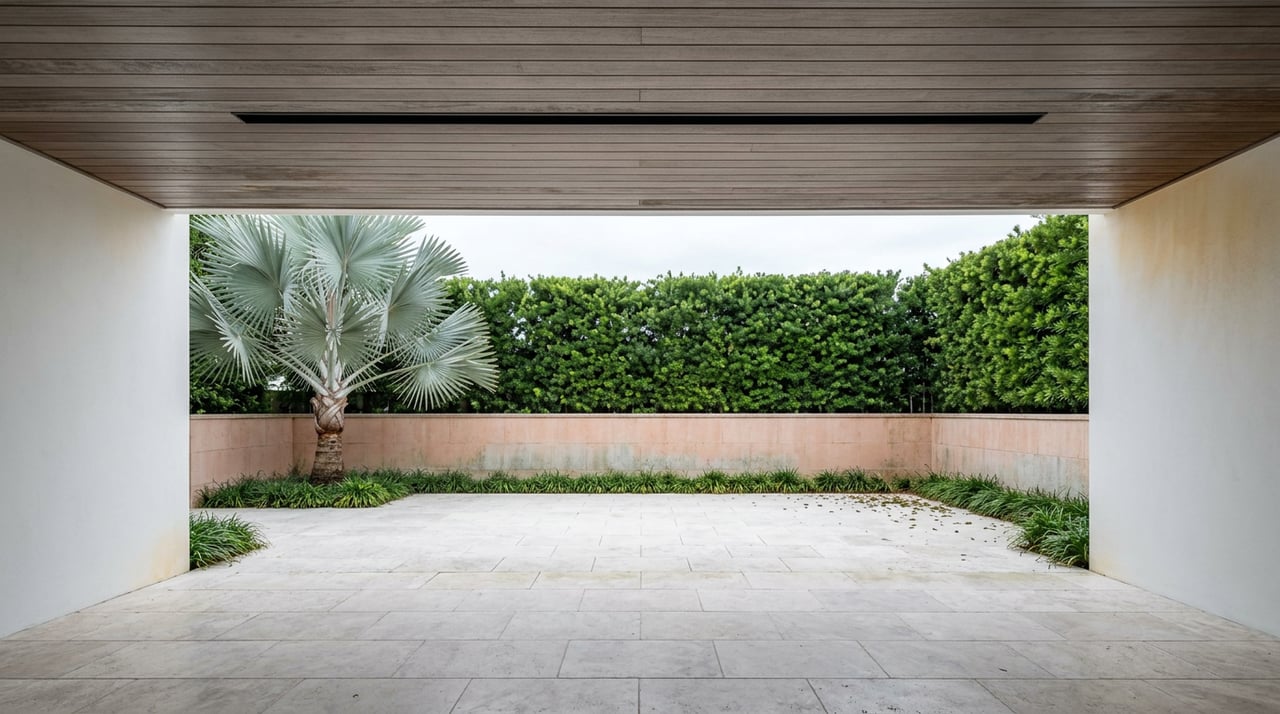
In a beach environment, shade is not a bonus. It is part of daily comfort. Covered terraces, loggias, and sheltered seating areas can make outdoor living far more usable during hot and rainy months.
These spaces also help protect finishes and furnishings from constant exposure. If your home sits closer to the shoreline, sheltered outdoor rooms can reduce wear and support a cleaner, longer-lasting design.
Plan for Water Movement
In Hillsboro Shores, water management should be part of the design conversation early. Even interior lots are not low risk, since the city says the entire area can be flood prone and stormwater performance depends on swales, canals, and private maintenance.
That makes permeable surfaces, debris-free drainage areas, and realistic grading strategies especially useful. A beautiful yard that does not drain well can quickly become frustrating and expensive to maintain.
Choose Materials That Handle Coastal Exposure
Beach-house outdoor spaces often look simple, but the material decisions behind them should be intentional. Salt air, humidity, and wind can shorten the life of poorly chosen hardware, finishes, and fixtures.
FEMA notes that coastal corrosion rates vary based on humidity, wind direction and speed, wave conditions, distance from the shoreline, elevation, and building orientation. In practical terms, that means homes nearer the water typically need more attention to corrosion-resistant connectors and fasteners, along with protected storage and well-sheltered outdoor features.
Focus on Hardware and Fasteners
If you are designing an outdoor kitchen, pergola, gate, shower, or built-in seating, the visible finish is only part of the story. The hidden connectors and fasteners matter just as much in a coastal environment.
Selecting corrosion-resistant components can help preserve both safety and appearance over time. This is especially important for ocean-facing properties where exposure is stronger and more constant.
Add Recessed or Protected Storage
Storage is often overlooked in outdoor design, but it makes a major difference in beach homes. Cushions, small furniture pieces, and decorative accessories may need to be secured or stored during storms or wet periods.
Built-in benches with storage, recessed cabinetry, and protected utility areas can keep your outdoor spaces looking streamlined while making seasonal preparation easier.
Design Outdoor Rooms That Fit the Lot
Not every Hillsboro Shores property needs the same outdoor layout. Oceanfront parcels and interior beach-area lots have different priorities, even when both aim for a polished coastal look.
The smartest plans respond to the location first. That usually leads to outdoor spaces that feel more natural, perform better, and hold up well over time.
Oceanfront Lots Need Tighter Coordination
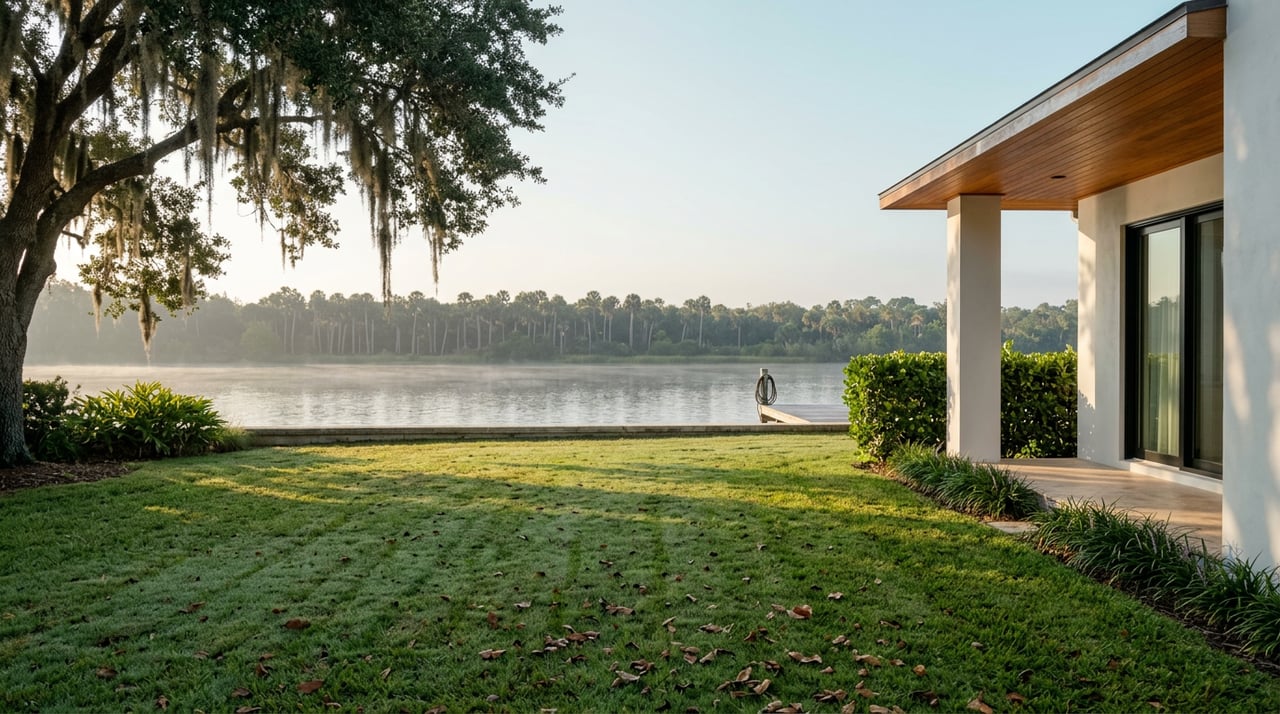
For oceanfront properties, design choices should be coordinated with flood maps, dune protection, lighting controls, and waterfront regulations. Pompano Beach says properties east of A1A face greater coastal flood risk, and the city also notes that sand dunes help protect inland areas from waves, high tides, and storm surge.
That makes the outdoor edge of the property especially important. Instead of treating it like a standard lawn line, the landscape should respect the dune system and any required setbacks or restrictions.
Interior Lots Still Benefit From Coastal Planning
Interior parcels can offer a bit more flexibility, but they still need honest drainage planning and plant choices that can handle salt air and periodic wet conditions. The city notes that privately owned stormwater facilities must be maintained by owners, which makes practical upkeep part of long-term outdoor success.
On these lots, you may have more freedom to create layered entertaining zones, garden courts, plunge pools, or private lounging areas. Even so, a low-maintenance and flood-aware approach still makes the most sense.
Use Landscaping That Works With the Coast
In Hillsboro Shores, landscaping should do more than frame the architecture. It should also help the property respond to salt, wind, sun, and water.
UF/IFAS recommends salt-tolerant plants within about one-eighth of a mile of saltwater. It also notes that many native plants already growing on coastal lands are highly salt tolerant, which makes them a practical starting point for beach-home landscapes.
Salt-Tolerant Plant Choices
UF/IFAS lists several coastal-friendly options that can work well in this setting, including:
- Sea oats
- Wax myrtle
- Seagrape
- Saw palmetto
- Cocoplum
- Coontie
These plants can help create a landscape that feels natural to the setting while reducing the struggle that comes with forcing less suitable species into a high-salt environment.
Respect Dunes and Native Vegetation
On beachfront properties, dune protection is a major consideration. Sea oats help stabilize dunes and prevent erosion, and seagrape is often used to control erosion in shoreline dunes.
Florida law prohibits damaging sand dunes or the vegetation growing on dune systems. If your property touches the beach side, the landscape should preserve the dune edge rather than trying to convert it into a conventional turf yard.
Create Wind Protection Naturally
A comfortable outdoor room often needs some protection from coastal wind. UF/IFAS suggests using fences, sturdy shrubs, or groups of trees as wind screens to help create a more sheltered space.
This can be especially useful around dining areas, lounges, and small pool terraces. Done well, wind buffering can improve comfort without blocking the open coastal feel that draws people to Hillsboro Shores in the first place.
Keep Irrigation and Drainage Simple
A clean, luxury landscape is often the result of simple systems working well together. In a beach setting, that means using the right plant in the right place, reducing excess water use, and keeping drainage areas functional.
Florida-Friendly Landscaping emphasizes low maintenance and water conservation. Pompano Beach also reminds residents to follow year-round two-day-per-week irrigation restrictions and avoid watering between 10 a.m. and 4 p.m.
Group Plants by Water Needs
Grouping irrigation zones around similar water needs can make the landscape easier to maintain and more efficient to run. Drought-tolerant species in the hottest or saltiest areas can also reduce stress on the yard over time.
This approach supports a more polished result with less waste and fewer plant failures. It is practical design that still feels elevated.
Protect Swales and Drainage Areas
Pompano Beach says well-maintained swales and lawns increase percolation during rain events, which helps reduce flooding and improve stormwater runoff quality. In other words, the hidden performance of your landscape matters just as much as the visible design.
Keeping swales clear and drainage paths free of debris can help your outdoor investment function better during heavy rain and tidal events.
Think Carefully About Pools, Spas, and Lighting
Compact plunge pools, spa courts, and evening lighting can add a lot to a Hillsboro Shores home. They can also trigger extra review and planning in a coastal area.
The goal is not to avoid these features. It is to design them with the site conditions and local requirements in mind.
Check Pool and Spa Plans Early
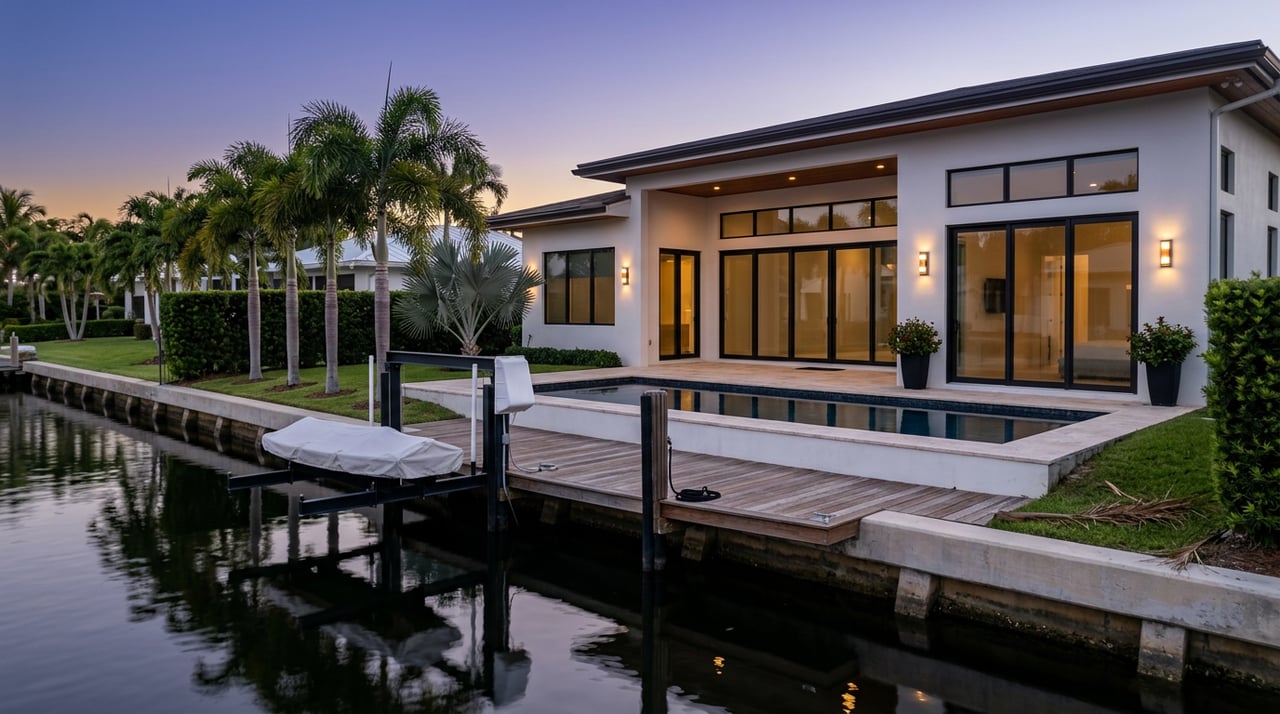
A plunge pool or spa can be a smart way to create a resort-style feel while preserving open-air lounge space. For coastal projects, though, it is important to check flood maps and permitting requirements before finalizing the layout.
Pompano Beach says its permit process includes a V-Zone Building Design and Performance Certificate for new construction, substantial improvements, and repairs in coastal Special Flood Hazard Areas. The city also launched a flood risk portal in 2024 to make flood maps and elevation certificates easier to access.
Use Beach-Sensitive Lighting
Lighting deserves special attention on beachfront lots. Broward County requires beachfront lighting controls during sea turtle nesting season, and the county’s beach-lighting surveys run from March through September. Broward says sea turtle nesting season runs from March 1 through October 31.
FWC adds that shielded lighting should be oriented so it is not visible from the beach, and short-wavelength or RGB lighting is not acceptable for marine turtle lighting. If your home is oceanfront or near the dune line, lighting should be planned as part of the full site design, not added casually at the end.
The Best Hillsboro Shores Look Is Effortless and Prepared
The outdoor spaces that age best in Hillsboro Shores usually have one thing in common: they do not fight the site. They work with the lot’s exposure, drainage patterns, and coastal conditions. That often leads to outdoor rooms that feel calmer, cleaner, and more livable year-round.
If you are buying, renovating, or preparing to sell a beach home in this area, it helps to view outdoor design as both a lifestyle feature and a property strategy. In a market where setting matters, the right outdoor plan can support daily enjoyment while also reinforcing long-term appeal.
If you want guidance on how outdoor features, lot position, and coastal planning can influence value and buyer interest in Hillsboro Shores, schedule a private consultation with Heather Lefka.
FAQs
What makes outdoor design in Hillsboro Shores different from inland homes?
- Hillsboro Shores outdoor spaces need to account for flood risk, salt air, wind, storm surge exposure, sunny-day tidal flooding, and local coastal rules, especially for properties near or east of A1A.
What plants work well for Hillsboro Shores beach homes?
- UF/IFAS recommends salt-tolerant coastal plants such as sea oats, wax myrtle, seagrape, saw palmetto, cocoplum, and coontie for sites near saltwater.
What should oceanfront homeowners know about dune landscaping in Hillsboro Shores?
- Beachfront landscaping should preserve dunes and dune vegetation because sea oats and similar plants help stabilize dunes, and Florida law prohibits damaging sand dunes or the vegetation growing on dune systems.
What lighting rules matter for oceanfront homes in Broward County?
- Beachfront lighting should follow sea turtle protection requirements, including shielded fixtures that are not visible from the beach, with attention to Broward County’s nesting-season controls from March 1 through October 31.
What should homeowners consider before adding a pool or spa in Hillsboro Shores?
- Before adding a plunge pool or spa, you should review flood maps and local permit requirements, since Pompano Beach requires additional coastal documentation for certain projects in Special Flood Hazard Areas.
What landscape features help reduce flooding on Hillsboro Shores lots?
- Permeable surfaces, maintained swales, debris-free drainage areas, realistic grading, and plant choices suited to salt air and periodic wet conditions can all help support better stormwater performance.